✨ VS Analyze · VacuumSpain comparison technology. AI-generated explanation based on verified technical data.
Introduction
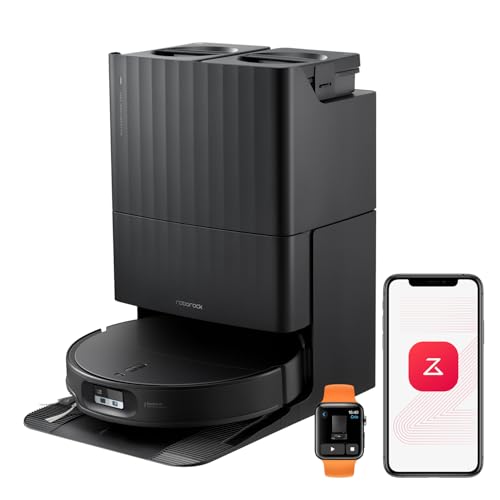
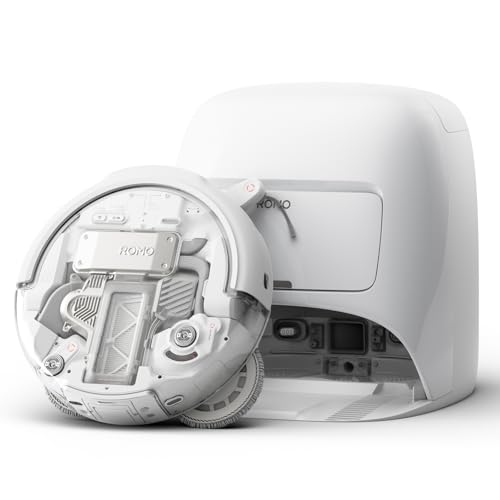
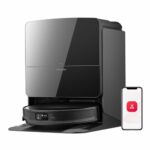
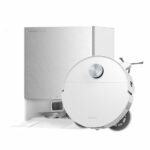
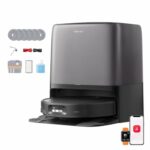
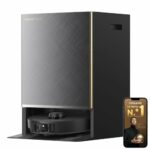
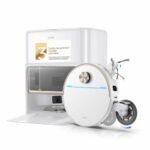
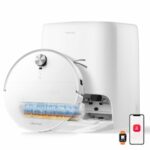
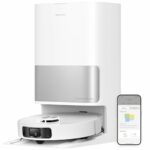
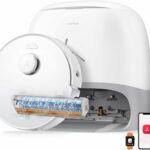
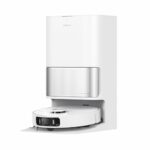
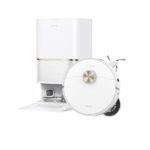
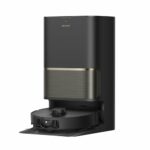
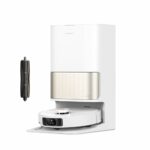
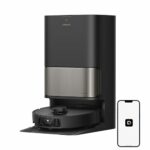
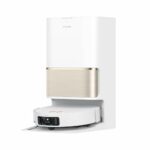
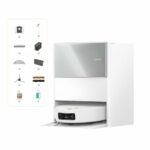
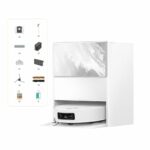
We're looking at two high-end robot vacuum cleaners that share a suction power of 25,000 Pa, albeit with very different approaches to design and functionality. The DJI Romo A (Robot Transparente) represents DJI's entry into the robot vacuum market in 2025, a model that stands out for its distinctive design and solid-state LiDAR navigation system. The Roborock Qrevo Edge 2, scheduled for May 2026, belongs to an established brand recognised as a global benchmark in this sector and stands out for its reduced height and advanced intelligent features.
The DJI model may be of interest to those seeking a different proposition with good overall performance, whilst the Roborock is aimed at users who value the brand's accumulated experience and need a robot capable of accessing beneath low furniture without complications.
Power and Suction
Both units achieve 25,000 Pa of suction power, a figure that places them in the premium market segment. This capacity is sufficient for medium-pile carpets and floors with ingrained dirt.
The main brush marks an interesting difference. The DJI Romo A features a Divided system, whilst the Roborock Qrevo Edge 2 mounts the DuoDivide Antienredos. The latter pushes hairs towards the central gap to facilitate suction and reduce tangles, something particularly noticeable in homes with pets. Both models can raise the main brush during mopping, preventing it from getting unnecessarily wet.
As for the side brushes, both incorporate an extendable function to improve corner cleaning and feature anti-tangle systems. The DJI Romo A specifies a dual side brush, although neither can raise these brushes during mopping.
Mopping
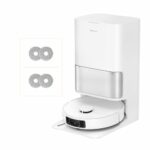
Both robots use a system of two rotating mops with extension capability to better reach edges and skirting boards. Mop lifting is present in both, with the Roborock specifying a height of 12 mm, sufficient to pass over medium-thickness carpets without wetting them.
A relevant difference appears in the mopping water temperature. The Roborock Qrevo Edge 2 mops with warm water, which helps to better dissolve grease and adhered dirt. The DJI Romo A uses cold water, less effective for difficult stains but sufficient for daily maintenance.
The Roborock confirms the ability to automatically remove the mops at the base when only vacuuming is needed, a practical function that avoids having to do this manually. Both models detect dirt on both the mops and the floor, adjusting the cleaning process according to needs.
Navigation System
The DJI Romo A incorporates solid-state LiDAR, a technology that promises greater durability and precision. The Roborock Qrevo Edge 2 opts for retractable LiDAR, which reduces the robot's total height by retracting when not in use. Both units combine this system with AI camera, front 3D laser sensor and LED for night vision.
The Roborock specifies the ability to recognise up to 280 different obstacles, including pets and curtains, the latter especially useful to prevent the robot from getting tangled. Remote camera access is available on both models, allowing you to supervise cleaning or monitor the home from your mobile.
In intelligent features, the Roborock Qrevo Edge 2 integrates SmartPlan 3.0, its advanced planning system. Both robots recognise stains using AI and automatically adjust cleaning.
Autonomy and Battery
The Roborock Qrevo Edge 2's battery offers 5,200 mAh compared to the DJI Romo A's 5,000 mAh. This difference translates to 188 minutes of autonomy for the Roborock and 180 minutes for the DJI, a small variation that in practice is barely noticeable in medium-sized homes.
Both units can overcome obstacles up to 20 mm in height, facilitating passage between rooms with small level changes or thick carpets.
Intelligent Features
The Roborock Qrevo Edge 2 confirms its own voice assistant, in addition to compatibility with Alexa and Google Home. The DJI Romo A also works with external assistants, although it's not specified whether it has an integrated assistant.
Neither model incorporates a robotic arm, a feature that remains exclusive to some ultra-premium models from other brands.
Multifunction Cleaning Base
Both bases perform auto-emptying of the dust bin, washing and drying of mops with hot air. This latter feature speeds up drying and prevents bad odours and bacterial growth.
An important difference lies in mop washing. The Roborock Qrevo Edge 2 uses hot water, which significantly improves the removal of accumulated dirt on the mops. The DJI doesn't specify the water temperature for this function. Both units feature self-cleaning of the washing tray, with the Roborock specifying version 2.0 of this system and the DJI mentioning a self-propelled nozzle.
The DJI Romo A includes a detergent tank, allowing cleaning product to be added and dispensed during mop washing. The Roborock does without this function. Neither offers connection to plumbing nor an optional kit for this.
In terms of capacities, the Roborock's dust bag reaches 2.7 litres compared to the DJI's 2.4. The clean water tank is identical in both (4 litres), whilst the dirty water tank is slightly larger in the Roborock: 3.5 litres versus 3.2.
Dimensions
Height is the most significant difference between these robots. The Roborock Qrevo Edge 2 measures just 79.8 mm, allowing it to slip beneath furniture, beds or sofas where the DJI Romo A, at 98 mm, wouldn't reach. This difference of almost 2 centimetres can determine whether or not the robot accesses important cleaning areas.
The diameter is practically identical: 352 mm in the Roborock and 351 mm in the DJI. As for the bases, they present completely different designs. The DJI's measures 453 mm wide, 440 mm high and 425 mm deep. The Roborock's is narrower (340 mm) but taller (521 mm) and deeper (487 mm). It's advisable to measure the available space before deciding, especially if the base will go in a recess or cupboard.
Real-World User Experience
For homes with low furniture, the Roborock Qrevo Edge 2 is clearly more versatile thanks to its reduced height. It can clean beneath standard beds and sofas without problems, whilst the DJI Romo A will be limited in these spaces.
In homes with pets, the Roborock's DuoDivide system offers advantages in hair management, although the DJI also features anti-tangle technology. The identical suction power guarantees good results in both cases.
The Roborock's warm water mopping and hot water mop washing make a difference in homes where deeper mopping is needed or where cooking is frequent. The DJI partially compensates with its detergent tank, which adds cleaning product to the process.
The similar autonomy makes both suitable for homes of up to 150-180 m² without the need for intermediate recharges. The complete multifunction bases reduce manual maintenance to a minimum in both cases.
Conclusion: Which to Choose?
Choose the DJI Romo A (Robot Transparente) if you're looking for a different proposition from a brand known for technology, you value having an integrated detergent tank in the base and you don't have particularly low furniture at home. Its transparent design may be attractive and it offers solid overall performance with all the features expected in a high-end robot.
Choose the Roborock Qrevo Edge 2 if you need a robot that can access beneath low-height furniture, you prefer the backing of the world's leading robot vacuum brand and you value mopping with warm water alongside mop washing with hot water. Its navigation system with retractable LiDAR, recognition of 280 obstacles and features such as curtain detection or its own voice assistant make it a very complete option. It's especially suitable for homes with pets thanks to its DuoDivide brush and for those seeking maximum cleaning capability in confined spaces.