✨ VS Analyses · VacuumSpain comparison technology. Explanation created with AI from verified technical data.
Introduction
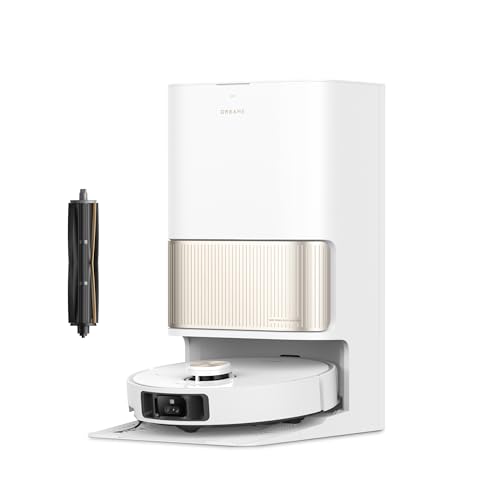
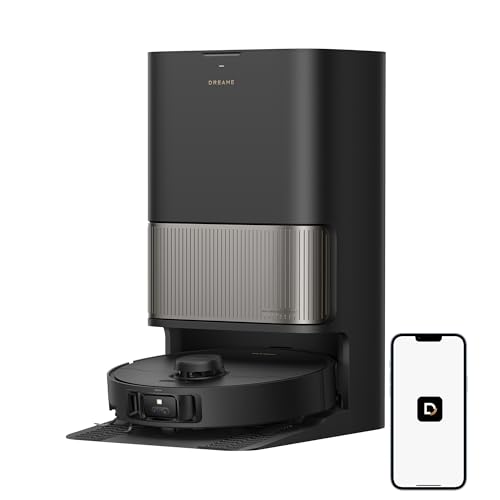
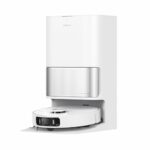
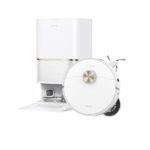
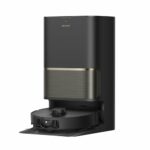
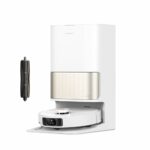
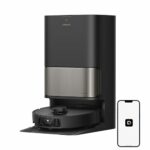
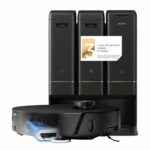
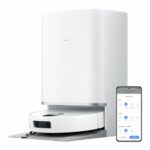
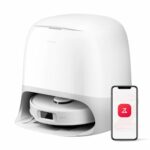
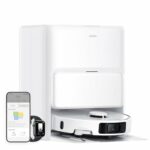
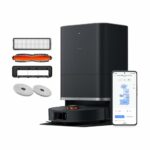
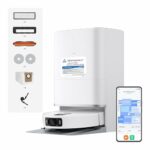
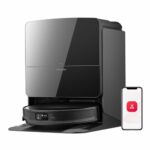
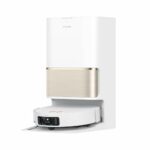
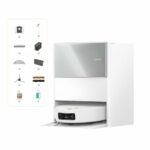
The Dreame L40 Ultra and the Dreame L40s Pro Ultra represent two generations of premium robot vacuum cleaners from Dreame. The L40 Ultra launched in 2024, whilst the L40s Pro Ultra arrived in 2025 as its successor. Both models feature comprehensive multifunctional bases that handle not just emptying but also washing and drying the mopping pads, making them suitable for users who want genuinely autonomous floor cleaning rather than just basic vacuuming.
These aren't entry-level devices. They're designed for households that need serious cleaning power combined with minimal intervention. The newer L40s Pro Ultra brings some notable upgrades over its predecessor, particularly in suction strength and obstacle recognition capabilities. Understanding these differences matters when deciding which model justifies the investment for your specific home.
Suction Power and Brushwork
The suction difference between these models is substantial. The L40 Ultra delivers 11,000 Pa, which handles everyday debris and pet hair adequately. The L40s Pro Ultra nearly doubles that figure at 19,000 Pa. In practical terms, this means the newer model can extract more embedded dirt from carpets and rugs, and it'll be more effective when dealing with heavier debris like cereal or cat litter.
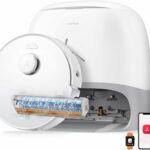
The brush systems differ significantly. The L40 Ultra uses the TriCut 3.0 brush, which combines bristles with cutting blades to reduce hair tangles. The L40s Pro Ultra switches to the Doble Cepillo HyperStream design—two brushes anchored at one end that actively prevent hair from wrapping around the roller. For homes with long-haired occupants or shedding pets, this design change could reduce maintenance frequency noticeably.
Both models feature elevating main brushes during mopping, preventing wet carpet contamination. They also share identical side brush capabilities: extensible for better corner coverage, elevating during mopping, and anti-tangle design. The side brushes extend outward to sweep debris from edges and corners more effectively than fixed designs.
Mopping Performance
The mopping systems are essentially identical across both robots. Each uses dual rotating mopads that can extend outward with the Roboswing feature, allowing them to reach into corners and slightly under furniture edges. The mops lift 10.5 mm when encountering carpets or rugs, keeping them dry.
Both bases wash the mopads with hot water during cleaning sessions, ensuring the robot returns to the floor with clean pads rather than spreading dirty water around. After completing the job, the bases dry the pads using warm air, which prevents bacterial growth and musty odours. This matters for homes where the robot might sit idle for days between cleaning sessions.
Dirt detection works on two levels in both models. The robots detect when the mopads themselves become dirty and return to the base for washing. They also recognise heavily soiled areas on the floor and automatically remopp those sections. The bases can automatically remove the mopads entirely when you only want vacuuming, eliminating the need to manually detach them.
Navigation and Intelligence
Both robots navigate using LiDAR 3D laser systems combined with dual AI cameras and frontal 3D laser sensors. This triple-layer approach allows them to map your home accurately whilst avoiding obstacles in real-time. LED lights enable the cameras to function properly even in dark rooms or under furniture.
The meaningful difference lies in object recognition capability. The L40 Ultra recognises 100 different obstacle types, whilst the L40s Pro Ultra extends this to 180 objects. This expanded recognition helps the newer model navigate more complex environments with greater confidence, reducing the likelihood of it getting stuck or requiring intervention.
Both models detect pets and curtains specifically, adjusting their behaviour accordingly. They won't tangle themselves in hanging fabric, and they can identify your cat or dog. Remote camera access is available on both, letting you check on your home whilst away. The CleanGenius AI system operates on both robots, automatically adjusting suction and mopping intensity based on detected dirt levels and floor types.
Battery and Autonomy
The battery capacity remains identical at 5,200 mAh, but the L40s Pro Ultra achieves better efficiency. The older model runs for 194 minutes on a full charge, whilst the newer version extends this to 220 minutes. That's an additional 26 minutes of cleaning time, which could mean the difference between completing a large home in one session or requiring a mid-clean recharge.
For context, 220 minutes translates to roughly three and a half hours of continuous operation. This should comfortably cover most homes up to 200-250 square metres in a single run, assuming mixed vacuuming and mopping tasks.
Advanced Capabilities
Obstacle climbing reveals a notable upgrade. The L40 Ultra can traverse obstacles up to 22 mm high—suitable for standard door thresholds and thin rugs. The L40s Pro Ultra introduces advanced multi-step climbing capability, though the exact height isn't specified. This improvement helps the robot move between rooms with varied flooring transitions more reliably.
Both models include Dreame's own voice assistant alongside compatibility with external services like Alexa and Google Home. You can issue commands directly to the robot or integrate it into your existing smart home ecosystem.
Multifunctional Base Station
The base stations share most specifications: 3.2-litre dust bags, 4.5-litre clean water tanks, and 4-litre dirty water tanks. Both include detergent dispensers and offer optional connection kits for plumbing integration, though these kits are sold separately and aren't included as standard.
The key difference is the self-cleaning mechanism. The L40 Ultra uses a second-generation system for cleaning its own washing tray, whilst the L40s Pro Ultra employs a third-generation version. Whilst Dreame hasn't detailed the specific improvements, later-generation systems typically clean more thoroughly and require less manual intervention for maintenance.
Neither base includes UV disinfection or automatic mopad changing systems. The bases measure identically at 340 mm wide, 590.5 mm tall, and 456.7 mm deep—you'll need to ensure you have adequate space in your utility area or kitchen.
Physical Dimensions
Both robots measure 350 mm in diameter and 103.8 mm in height. This consistency means they'll fit under the same furniture and navigate identical spaces. At just under 104 mm tall, they should slide beneath most sofas and bed frames, though you'll want to measure your specific furniture before assuming clearance.
The identical dimensions mean neither model has an advantage for squeezing into tight spaces or fitting under low-clearance furniture.
Real-World Usage Considerations
For larger homes exceeding 150 square metres, the L40s Pro Ultra's extended battery life and superior suction make it the more practical choice. The additional runtime reduces the likelihood of incomplete cleaning sessions, whilst the stronger suction ensures thorough carpet cleaning in high-traffic areas.
Homes with pets benefit more from the L40s Pro Ultra's HyperStream brush system. Less hair wrapping means less frequent maintenance, which matters when you're dealing with daily shedding. The enhanced obstacle recognition also helps the robot navigate around pet toys, food bowls, and the pets themselves more intelligently.
The hot water mopad washing and warm air drying work identically on both models, making either suitable for homes with hard floors, tiles, or sealed wood. The ability to automatically remove mopads means you can vacuum carpeted areas without manual intervention between tasks.
Both robots handle standard door thresholds, but the L40s Pro Ultra's improved climbing capability makes it more reliable in homes with varied flooring heights or thick rug transitions. This matters particularly in older properties with uneven floors or multiple room types.
Conclusion: Which Should You Choose?
Choose the Dreame L40 Ultra if: you're working with a tighter budget and your home is under 150 square metres. The 11,000 Pa suction handles normal household debris effectively, and the TriCut brush works well for moderate pet hair. If you have mostly hard floors with occasional area rugs and standard thresholds, this model delivers comprehensive cleaning without the premium cost.
Choose the Dreame L40s Pro Ultra if: you have a larger home, heavy-shedding pets, or substantial carpeted areas. The 19,000 Pa suction and HyperStream brush system justify the upgrade for homes where deep carpet cleaning and minimal maintenance matter. The extended battery life, improved obstacle recognition, and better climbing capability make it the more capable all-rounder. For households wanting the most autonomous experience with the least intervention, the newer model's improvements add up to meaningful practical benefits.