✨ VS Analyses · VacuumSpain comparison technology. Explanation created with AI from verified technical data.
Introduction
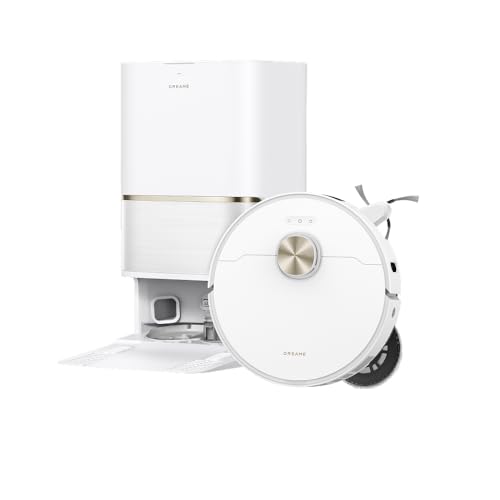
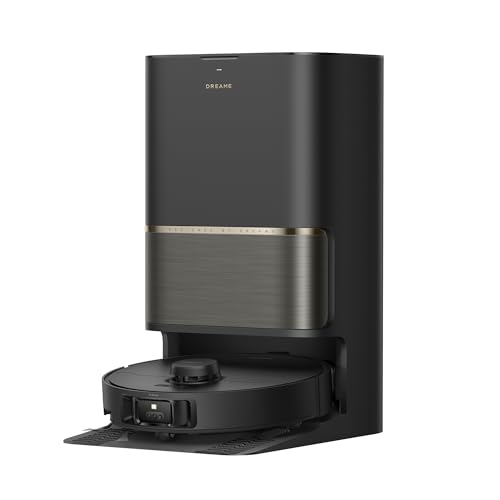
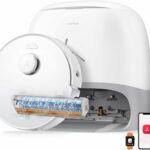
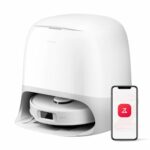
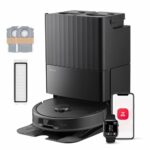
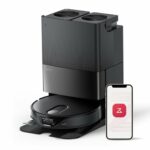
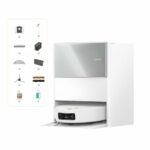
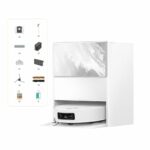
The Dreame L50 Ultra AE and Dreame L50s Pro Ultra represent two cutting-edge robot vacuum options from Dreame's 2026 lineup, both designed to deliver comprehensive cleaning with advanced mopping capabilities. These aren't basic models—each comes equipped with a multifunctional base station that handles automatic dust emptying, mop washing with hot water, and hot air drying. The core difference lies in the intelligence and sophistication of the cleaning approach, with one model focusing on solid fundamentals whilst the other incorporates artificial intelligence to adapt its cleaning strategy in real time.
Both units suit medium to large homes where hands-free maintenance matters. The choice ultimately depends on whether you value AI-driven automation and advanced object recognition, or prefer a more straightforward yet highly capable cleaning system.
Power and Suction
Suction power differs slightly between these models. The L50 Ultra AE generates 28,000 Pa, whilst the L50s Pro Ultra pushes this to 30,000 Pa. In practical terms, this 2,000 Pa increase can make a noticeable difference when tackling embedded dirt in carpet fibres or extracting debris from grout lines.
The main brush design diverges significantly. The L50 Ultra AE uses Dreame's TriCut 3.0 system, which combines bristles with integrated cutting blades to slice through tangled hair. The L50s Pro Ultra employs a dual-brush HyperStream configuration—two separate brushes anchored at one end that actively prevent hair from wrapping around the mechanism. Both brushes lift automatically during mopping to avoid dragging dirt across wet floors.
Regarding side brushes, both models feature an extensible design that swings outward to reach into corners more effectively. The crucial distinction: the L50s Pro Ultra can elevate its side brush during mopping, preventing it from flicking water onto carpets or dragging wet debris. The L50 Ultra AE lacks this elevation feature. Both include anti-tangle technology on the side brush to minimise hair build-up.
Mopping
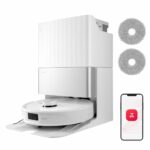
Both robots use dual rotating mops that extend outward to clean along skirting boards, complemented by Roboswing—a motion that angles the robot slightly to push the mop under furniture edges and protruding cabinets. Each model lifts its mops 10.5 mm when encountering carpets, enough clearance for low-pile rugs.
The base station on both units washes mops with hot water and dries them using heated air, essential for preventing bacterial growth and musty odours. Each robot can automatically detach its mop pads at the base when you want vacuuming only, eliminating manual intervention.
What sets the L50s Pro Ultra apart is its dirt detection capability. Sensors monitor both the mop cleanliness and floor soil levels, triggering additional scrubbing passes or returning to the base for mop washing mid-clean if necessary. The L50 Ultra AE follows a preset mopping routine without adaptive adjustments. For homes with high-traffic areas or sticky spills, this intelligent re-cleaning proves valuable.
Navigation System
Both models navigate using a third-generation LiDAR turret combined with front-mounted 3D laser sensors for obstacle avoidance. This dual-sensor approach creates accurate floor plans whilst detecting objects in real time.
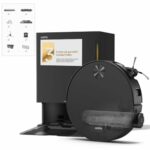
The L50s Pro Ultra goes considerably further with dual AI cameras that recognise up to 220 different objects. This means the robot identifies shoes, cables, pet waste, toys, and furniture with precision, adjusting its path accordingly. It specifically detects pets and curtains, avoiding entanglement or disturbance. The cameras also enable LED night vision for cleaning in dark rooms, plus remote access—you can view live footage through the app, useful for checking on pets or monitoring your home whilst away.
The L50 Ultra AE relies solely on LiDAR and 3D sensors without camera-based intelligence. It avoids obstacles effectively but doesn't identify what those obstacles actually are, nor does it offer remote viewing or pet-specific recognition. This matters particularly in households with pets or small children where floor clutter varies daily.
Battery and Autonomy
Both robots house identical 5,200 mAh batteries. Specific runtime figures aren't provided, but this capacity typically supports large homes in a single session before automatic recharging. The similar battery specification means neither holds an advantage in coverage area or cleaning duration.
Smart Features
Both models handle obstacles up to 20 mm high, though the L50s Pro Ultra can manage simple stepped obstacles more effectively thanks to its advanced sensors and AI processing. Neither includes a robotic arm.
Voice control works differently. The L50 Ultra AE integrates with external assistants like Alexa and Google Home, allowing basic commands through your existing smart home ecosystem. The L50s Pro Ultra includes these integrations plus its own built-in voice assistant, enabling direct interaction without relying on third-party devices.
The CleanGenius AI system exclusive to the L50s Pro Ultra analyses room conditions, dirt levels, and floor types to automatically adjust suction power, water flow, and cleaning patterns. This adaptive intelligence removes guesswork from scheduling and settings. The L50 Ultra AE requires manual adjustment or relies on pre-programmed routines.
Multifunctional Cleaning Base
Both base stations share identical specifications: 3.2-litre dust bags, 4.5-litre clean water tanks, and 4-litre dirty water reservoirs. Each features third-generation automatic tray cleaning to maintain the washing mechanism, includes a detergent dispenser, and supports an optional water pipe connection kit purchased separately—though this isn't integrated as standard.
Neither base offers UV disinfection or automatic mop pad replacement. The substantial water capacity means infrequent refilling even in larger homes, whilst the generous dust bag reduces maintenance intervals significantly.
Dimensions
The L50 Ultra AE stands 97 mm tall, whilst the L50s Pro Ultra measures 103.8 mm—a 6.8 mm difference. For context, the lower profile of the L50 Ultra AE may squeeze under furniture where the taller model cannot, particularly relevant for sofas, beds, or cabinets with minimal clearance. Both share a 350 mm diameter.
The base stations measure identically: 340 mm wide, 590 mm tall, and 457 mm deep. Plan for roughly half a metre of floor space in a location near a power outlet.
Real-World Usage
In homes with pets, the L50s Pro Ultra's dual cameras and pet recognition provide tangible benefits—it identifies animals and adjusts behaviour to avoid startling them, whilst the superior HyperStream brush handles pet hair more effectively than the TriCut system. The dirt detection also proves useful when paws track mud indoors, triggering automatic spot re-cleaning.
For larger properties, both models handle extensive floor plans thanks to robust LiDAR mapping and adequate battery capacity. The L50s Pro Ultra's AI optimisation means it works more efficiently, potentially completing cleans faster by prioritising dirtier zones.
Households with varied lighting conditions benefit from the L50s Pro Ultra's night vision, ensuring reliable navigation in dark hallways or rooms with closed blinds. The remote camera access adds peace of mind for monitoring your home, though this matters less if security isn't a priority.
The lower height of the L50 Ultra AE suits homes with low-clearance furniture, making it the practical choice if you've measured tight spaces under beds or sofas. Conversely, if furniture clearance isn't an issue, the extra sensors and intelligence of the taller L50s Pro Ultra outweigh the minor height difference.
Conclusion: Which to Choose?
Choose the Dreame L50 Ultra AE if: you want excellent cleaning performance without paying a premium for AI features. It suits homes where furniture has limited clearance thanks to its 97 mm height. The TriCut brush handles hair effectively, the hot water mop washing delivers thorough floor cleaning, and the core functionality matches more expensive models. This represents strong value if you're comfortable setting schedules manually and don't require camera-based object recognition or remote viewing.
Choose the Dreame L50s Pro Ultra if: you want the most advanced robot aspirador Dreame currently offers. The dual AI cameras, 220-object recognition, and CleanGenius adaptive cleaning justify the investment for pet owners, busy households, or anyone seeking maximum automation. Dirt detection ensures floors receive appropriate attention without manual intervention, whilst the built-in voice assistant and remote camera add convenience and security. The side brush elevation during mopping prevents water spread onto carpets, and the superior HyperStream brush excels with pet hair. Accept the slightly taller profile in exchange for cutting-edge intelligence and hands-free operation.
For those prioritising mejor robot aspirador 2025 credentials with comprehensive AI, the L50s Pro Ultra leads. If you value proven cleaning fundamentals at a better price point, the L50 Ultra AE delivers admirably without unnecessary complexity.