✨ VS Analyses · VacuumSpain comparison technology. Explanation created with AI from verified technical data.
Introduction
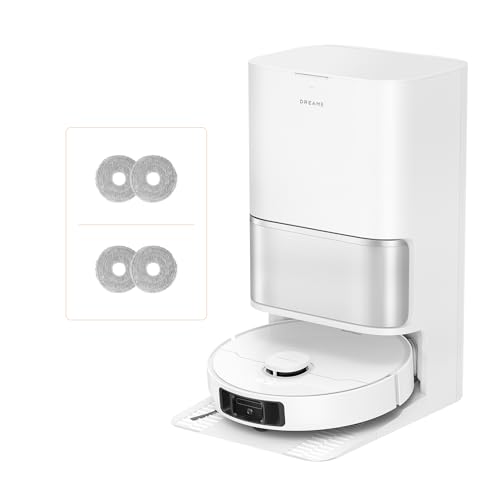
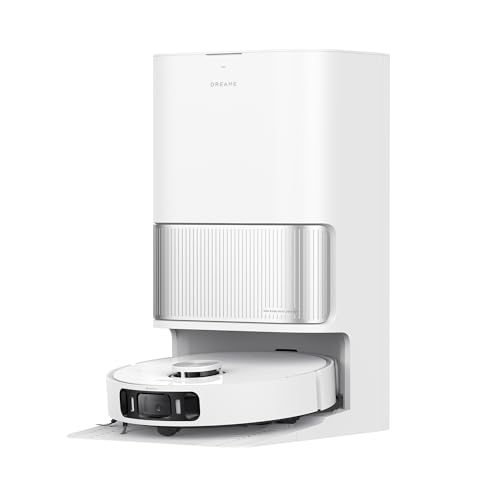
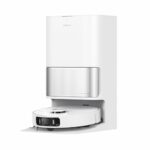
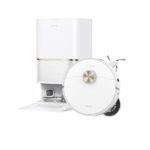
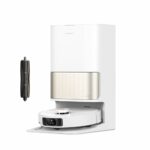
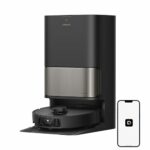
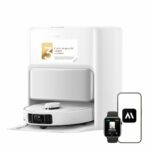
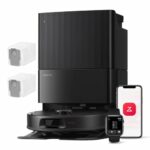
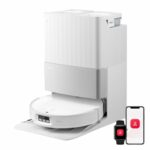
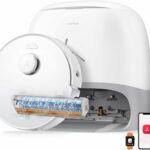
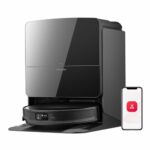
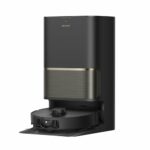
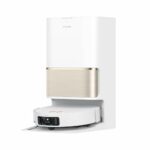
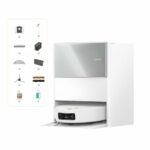
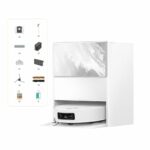
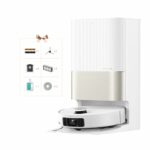
The Dreame L10s Ultra Gen 3 and Dreame L40 Ultra AE represent two distinct approaches within Dreame's 2025 robot vacuum lineup. Both models feature multifunction bases that handle automatic dustbin emptying, mop washing, and hot air drying, positioning them as complete cleaning solutions for homes seeking minimal maintenance. The L10s Ultra Gen 3 arrived in November 2025 with a focus on raw suction power, whilst the L40 Ultra AE emphasises intelligent navigation and detection capabilities.
These aren't entry-level machines. They're designed for households wanting a genuinely hands-off cleaning experience, where the robot manages both vacuuming and mopping without constant intervention. The question becomes which approach suits your home better: brute force or smart sensing.
Power and Suction
Suction power separates these models significantly. The Dreame L10s Ultra Gen 3 reaches 25,000 Pa, a substantial increase over the L40 Ultra AE's 19,000 Pa. In practical terms, this translates to better performance on carpets and rugs, particularly when dealing with embedded dirt or pet hair ground into fibres. For homes with multiple carpeted areas, that extra suction makes a tangible difference.
The brush systems take different paths. The L10s Ultra Gen 3 uses a standard single brush roller without elevation capability, but compensates with an extendable side brush that reaches further into corners. The L40 Ultra AE counters with a TriCut 3.0 main brush—combining bristles with cutting blades to slice through tangled hair—and adds main brush elevation. When mopping, this brush lifts away from the floor to prevent carpet wetting and cross-contamination.
Neither model elevates its side brush or includes anti-tangle technology there, which matters if you have long hair or pets that shed heavily. The TriCut system on the L40 Ultra AE does address this concern for the main roller, reducing the frequency of manual hair removal. The extendable side brush on the L10s Ultra Gen 3 proves particularly useful for skirting boards and furniture edges where dust accumulates.
Mopping
Both robots use dual rotating mops with extension capabilities and RoboSwing technology. This means they can push the mop slightly under furniture lips and extend outward to clean right up to wall edges. Mop elevation reaches 10.5 mm on both, sufficient to clear most low-pile rugs without dragging wet fabric across them.
The washing process differs meaningfully. The Dreame L40 Ultra AE washes mops with hot water, which cuts through grease and dried-on marks more effectively than cold water alone. The L10s Ultra Gen 3 relies on cold water washing. Both dry mops with hot air afterwards to prevent bacterial growth and musty odours, but that initial hot wash gives the L40 Ultra AE an advantage for kitchen floors and high-traffic areas.
Dirt detection sets the L40 Ultra AE apart further. It monitors both the mops themselves and the floor surface, automatically increasing passes or returning to rewash mops when it encounters stubborn grime. The L10s Ultra Gen 3 follows its programmed cleaning pattern without this adaptive behaviour. For homes with young children or messy eaters, that intelligent response to spills proves genuinely useful rather than gimmicky.
Neither model automatically removes mops at the base when you want vacuum-only operation, so you'll need to detach them manually if you're only tackling carpeted rooms.
Navigation System
Navigation hardware appears similar at first glance—both use third-generation LiDAR turrets and frontal 3D laser sensors for obstacle detection. They recognise pets and create detailed floor maps. The meaningful distinction lies in the camera.
The Dreame L40 Ultra AE incorporates an AI camera with LED illumination for night vision and remote access capability. You can check in on your home through the robot's camera whilst away, and it uses visual recognition to identify up to 120 different object types. This visual intelligence helps it navigate around shoes, cables, and pet toys with greater precision.
The L10s Ultra Gen 3 lacks this camera entirely. It relies purely on LiDAR and 3D laser sensing, which works well for furniture and walls but doesn't visually distinguish between a sock and a pet waste accident. Both models run CleanGenius AI for intelligent cleaning routines, but the L40 Ultra AE's camera gives it richer environmental understanding.
For households concerned about privacy, the absence of a camera on the L10s Ultra Gen 3 might actually be preferable. For those wanting maximum obstacle avoidance and remote monitoring, the L40 Ultra AE delivers.
Battery and Autonomy
Identical 5,200 mAh batteries power both robots. The L10s Ultra Gen 3 specifies 231 minutes of runtime, which should cover approximately 200-250 square metres depending on floor type and cleaning mode. The L40 Ultra AE doesn't provide autonomy figures in the available data, though the matching battery capacity suggests similar performance.
In practice, both robots return to base when needed during cleaning sessions, empty their dustbins or wash mops, then resume where they left off. Battery capacity matters less with this automatic recharging behaviour than it would on a basic robot without a multifunction base.
Intelligent Features
Both models climb obstacles up to 20 mm high, managing door thresholds and thick rug edges without assistance. Neither includes a robotic arm for additional tasks, and neither has a proprietary voice assistant. They do integrate with Alexa and Google Home for voice control through those ecosystems.
The CleanGenius AI system on both robots adjusts suction and water flow based on room type and detected dirt levels, though as noted earlier, only the L40 Ultra AE has the camera-based dirt detection to make this truly adaptive.
Multifunction Base
The bases share most specifications: 3.2-litre dust bags, 4.5-litre clean water tanks, and 4-litre dirty water reservoirs. Both include detergent dispensers and offer optional connection kits for plumbing integration, though this requires separate purchase and isn't included as standard.
The L10s Ultra Gen 3 features third-generation base self-cleaning for its wash tray, whilst the L40 Ultra AE uses second-generation technology. This suggests improved hygiene and reduced manual maintenance on the newer model, though both systems fundamentally clean the washing area after each mop cycle.
Hot water mop washing on the L40 Ultra AE remains the most significant functional difference here. Combined with hot air drying on both models, this creates a more thorough sanitisation cycle. Neither base includes UV disinfection or automatic mop changing systems.
Dimensions
The robots themselves are identical: 350 mm diameter and 97 mm tall. This height allows them to fit under most sofas and bed frames, though you'll want to measure furniture clearance if you have particularly low pieces.
Base dimensions differ minutely—the L10s Ultra Gen 3 measures 340 mm wide, 590 mm tall, and 457 mm deep, whilst the L40 Ultra AE comes in at 340 mm wide, 590.5 mm tall, and 456.7 mm deep. These fractional differences have no practical impact on placement. Both require similar floor space, roughly equivalent to a small kitchen bin.
Real-World Use
For larger homes with mixed flooring, the L10s Ultra Gen 3's superior suction and specified 231-minute runtime make it capable of handling extensive cleaning sessions. The extendable side brush helps with edge cleaning in rooms with complex furniture arrangements. However, homes with pets that shed constantly might find the standard brush more prone to hair wrapping than the TriCut system.
The Dreame L40 Ultra AE suits households wanting intelligent adaptation rather than maximum power. Its camera-based obstacle recognition proves valuable in homes with children who leave toys scattered, and the hot water mop washing tackles kitchen grease more effectively. The dirt detection means it automatically focuses effort where needed rather than treating all floors identically.
Both robots handle the 20 mm threshold climbing needed for most door frames. Neither excels particularly on high-pile carpets—these are primarily hard floor and low-pile rug specialists. The 10.5 mm mop lift prevents wetting thin rugs but won't clear thick shag carpeting.
Maintenance differs slightly. The TriCut brush on the L40 Ultra AE requires less frequent hair removal, whilst the camera adds another component to keep clean for optimal performance. The third-generation base cleaning on the L10s Ultra Gen 3 potentially reduces how often you'll need to manually clean the wash tray.
Conclusion: Which to Choose?
Choose the Dreame L10s Ultra Gen 3 if: you prioritise raw suction power for carpeted areas, prefer a camera-free robot for privacy reasons, want the latest third-generation base self-cleaning technology, or have a large home where the specified 231-minute runtime provides peace of mind. The extendable side brush benefits homes with lots of furniture edges and skirting boards.
Choose the Dreame L40 Ultra AE if: you want intelligent dirt detection that adapts cleaning intensity automatically, value hot water mop washing for better grease removal, need camera-based obstacle recognition for homes with scattered objects, or appreciate remote camera access for checking on pets or home security. The TriCut brush suits households with long hair or shedding pets.
For homes under 150 square metres with primarily hard floors and moderate pet hair, the L40 Ultra AE's intelligent features outweigh the suction difference. For larger homes with significant carpeting or those wanting maximum power without camera-based navigation, the L10s Ultra Gen 3 delivers. Both represent comprehensive cleaning solutions with minimal maintenance demands.