✨ VS Analyses · VacuumSpain comparison technology. Explanation created with AI from verified technical data.
Introduction
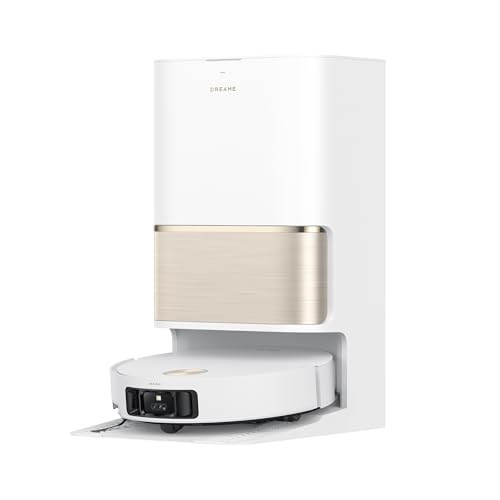
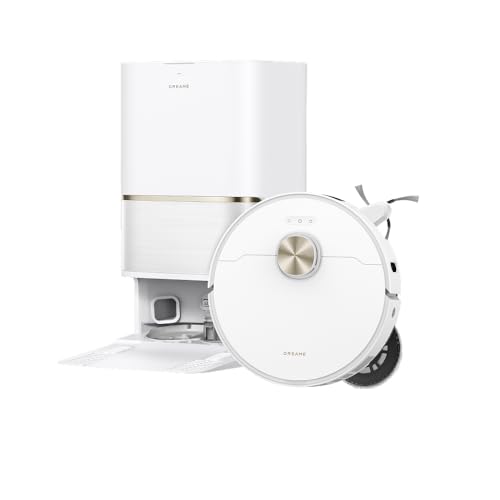
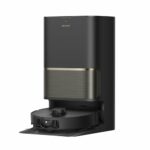
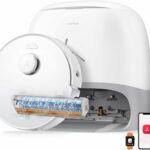
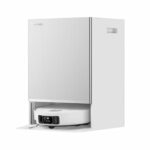
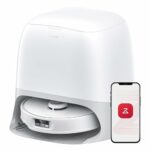
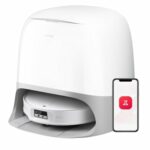
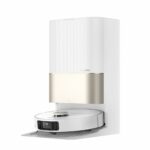
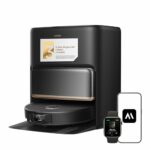
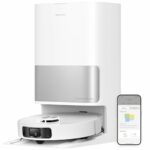
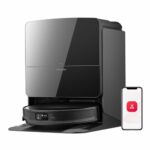
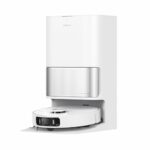
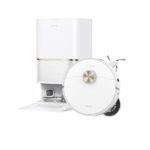
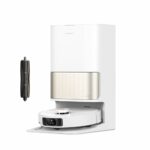
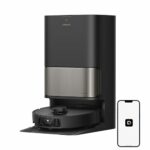
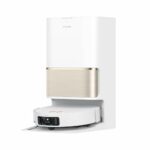
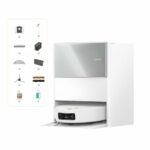
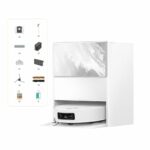
The Dreame L50 Pro Ultra and the Dreame L50 Ultra AE represent two iterations from Dreame's high-end range, launched just over a year apart. The L50 Pro Ultra arrived in 2025, whilst the L50 Ultra AE followed in March 2026. Both models feature multifunctional bases with automatic emptying, mop washing and drying, making them suitable for users seeking a comprehensive cleaning solution with minimal manual intervention.
These aren't entry-level devices. They're designed for households that want advanced mopping capabilities alongside powerful vacuuming, with intelligent navigation systems that adapt to different floor types and obstacles. The differences between them, though sometimes subtle on paper, can significantly affect daily performance depending on your home layout and cleaning priorities.
Power and Suction
The suction power gap is substantial. The L50 Ultra AE delivers 28,000 Pa, significantly outperforming the L50 Pro Ultra's 19,500 Pa. This translates to better pickup on carpets and more effective removal of embedded dirt from textured surfaces. For homes with multiple rugs or medium-pile carpeting, that extra suction makes a tangible difference.
Where things get interesting is the brush configuration. The L50 Pro Ultra uses Dreame's HyperStream dual brush system, which employs two brushes anchored at one end to minimise hair tangles. The L50 Ultra AE opts for the TriCut 3.0 design, combining bristles with integrated blades that actively cut through tangled hair. Both approaches reduce maintenance, though the TriCut system tends to handle long hair more aggressively.
Both models elevate their main brushes during mopping to avoid dragging debris across wet floors. They also feature extendable side brushes for better edge coverage. However, only the L50 Pro Ultra can raise its side brush when mopping, preventing it from flicking water onto carpets or skirting boards. The L50 Ultra AE lacks this feature, which might matter if you have mixed flooring in open-plan spaces.
Mopping
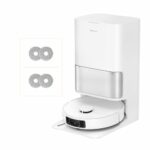
Both robots use dual rotating mopads with extension capabilities and Roboswing technology, allowing them to reach into corners and slightly under furniture edges. Mop elevation reaches 10.5 mm on both models, sufficient to clear most low-pile rugs without dragging wet pads across them. When you're done mopping, both can automatically detach their mopads at the base, leaving them ready for vacuuming-only sessions.
The critical distinction lies in dirt detection. The L50 Pro Ultra monitors both mop cleanliness and floor soiling levels, adjusting its cleaning pattern accordingly. If it detects stubborn marks, it can increase scrubbing intensity or make additional passes. The L50 Ultra AE lacks these sensors entirely, following preset cleaning routines without adaptive adjustments. In practice, this means the Pro Ultra handles variable floor conditions more intelligently, whilst the Ultra AE delivers consistent but less responsive mopping.
Both bases wash mopads with hot water and dry them using warm air, which helps prevent odours and bacterial growth. The third-generation automatic tray cleaning system maintains hygiene without manual scrubbing. Each base holds 4.5 litres of clean water and 4 litres of dirty water, with a detergent dispenser for automated dosing during mop washing.
Navigation System
The navigation architecture differs fundamentally. The L50 Pro Ultra employs a retractable LiDAR system paired with dual AI cameras, enabling it to recognise 180 different obstacle types. It can identify pets, detect curtains to avoid tangling, and even provide remote camera access through the app. An LED lighting system supports night vision, allowing accurate object recognition in dim conditions.
The L50 Ultra AE uses a traditional LiDAR tower with 3D laser sensors but no camera system. It still avoids obstacles effectively using its frontal laser sensor, but it can't visually identify what those obstacles are. This means no pet recognition, no curtain detection, and no remote viewing capability. The CleanGenius AI system that orchestrates intelligent cleaning decisions on the Pro Ultra is absent here.
For households with pets that leave toys scattered about, or homes with complex furniture arrangements, the visual recognition of the L50 Pro Ultra offers noticeable advantages. The L50 Ultra AE navigates competently but relies purely on spatial mapping rather than object understanding.
Battery and Autonomy
Battery capacity favours the L50 Pro Ultra at 6,400 mAh, compared to 5,200 mAh in the L50 Ultra AE. The Pro Ultra is rated for 200 minutes of runtime, though the Ultra AE's autonomy figures aren't specified. Given its higher suction power, the L50 Ultra AE likely consumes energy faster, potentially offsetting some of the runtime difference despite the smaller battery.
For larger homes exceeding 150 square metres, the extended battery life of the L50 Pro Ultra provides more margin before needing to recharge mid-clean. The L50 Ultra AE should comfortably handle average-sized properties, but may require a charging break during particularly thorough whole-home sessions.
Intelligent Features
Obstacle climbing capability differs slightly. The L50 Pro Ultra can manage simple steps, whilst the L50 Ultra AE is rated for 20 mm thresholds. Both handle typical door thresholds and carpet transitions without issue.
The L50 Pro Ultra includes an integrated voice assistant, allowing direct commands without relying on external smart home systems. Both models support Alexa and Google Home integration, but the onboard assistant on the Pro Ultra offers an additional interaction method when you're not near your phone or smart speaker.
Multifunction Cleaning Base
Base specifications are nearly identical. Both feature 3.2-litre dust bags, hot water mop washing, warm air drying, and automatic tray self-cleaning. The third-generation tray cleaning system represents a meaningful improvement in base hygiene compared to earlier Dreame models.
Neither base includes integrated plumbing connections, though both offer optional kits for permanent water hookup. This accessory must be purchased separately and isn't a core differentiator between the models. The base dimensions are virtually identical, requiring similar floor space in your home.
Dimensions
The L50 Pro Ultra measures 89 mm tall, whilst the L50 Ultra AE stands at 97 mm. That 8 mm difference can determine whether the robot fits beneath certain furniture pieces. Low-clearance sofas, bed frames with minimal ground clearance, and some kitchen cabinets may be accessible to the Pro Ultra but not the Ultra AE.
Both share a 350 mm diameter, typical for robots in this category. The base footprint is essentially identical, at approximately 340 mm wide and 457 mm deep, with heights differing by just half a millimetre. Neither model is particularly compact, so ensure you have adequate space near a power outlet.
The L50 Pro Ultra's onboard dust bin holds 395 ml, compared to 250 ml in the Ultra AE. Whilst both auto-empty into the base, the larger bin means fewer mid-clean transfers during intensive vacuuming sessions, potentially improving efficiency in heavily soiled areas.
Real-World Usage Experience
For homes with pets, the L50 Pro Ultra's visual recognition system offers practical benefits. It can identify animals and adjust behaviour accordingly, avoiding startling them or getting tangled in pet toys. The dirt detection on mops means it'll automatically rewash and re-mop areas where your dog has tracked in mud, without you needing to intervene.
The L50 Ultra AE's superior suction makes it particularly effective on carpets and rugs, especially in households dealing with fine dust, pollen, or pet hair embedded in fibres. The TriCut brush handles long hair well, reducing the frequency of manual brush cleaning.
In low-furniture environments, the L50 Pro Ultra's reduced height becomes a significant advantage. It can clean under more pieces without getting stuck, reducing the number of areas you need to manually vacuum. The L50 Ultra AE may require you to move furniture or accept that certain spaces remain uncleaned.
Both models handle mixed hard floors and mopping duties competently. The hot water mop washing and warm air drying ensure hygienic maintenance with minimal effort. The 4.5-litre clean water tank supports extended mopping sessions across large floor areas before requiring a refill.
Conclusion: Which One to Choose?
Choose the Dreame L50 Pro Ultra if: You have pets and want intelligent object recognition that adapts to their presence. Your home has low-clearance furniture requiring a slimmer robot. You value adaptive mopping with dirt detection that responds to actual floor conditions rather than following preset patterns. The dual camera system, remote viewing capability, and integrated voice assistant appeal to you. Battery longevity matters because you have a larger property or prefer infrequent charging.
Choose the Dreame L50 Ultra AE if: Maximum suction power is your priority, particularly for deep carpet cleaning or homes with embedded dirt. You prefer the aggressive hair-cutting action of the TriCut brush system. Visual AI features aren't important to you, and you're comfortable with spatial navigation alone. Your furniture clearances exceed 100 mm, making robot height less critical. You want the latest 2026 release with potentially refined manufacturing based on lessons learned from earlier models.
The L50 Pro Ultra suits households seeking comprehensive automation with intelligent adaptation, especially where pets, varied floor conditions, or furniture access present challenges. The L50 Ultra AE appeals to those prioritising raw cleaning power and proven brush technology over advanced AI features, particularly in homes with substantial carpeted areas.