✨ VS Analyses · VacuumSpain comparison technology. Explanation created with AI from verified technical data.
Introduction
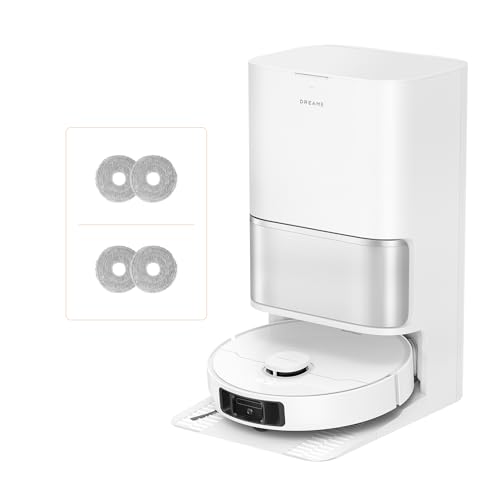
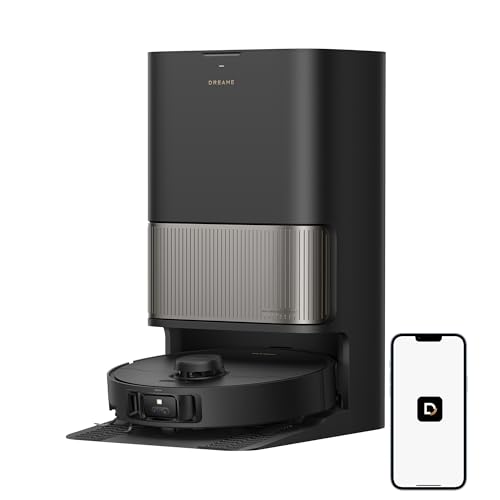
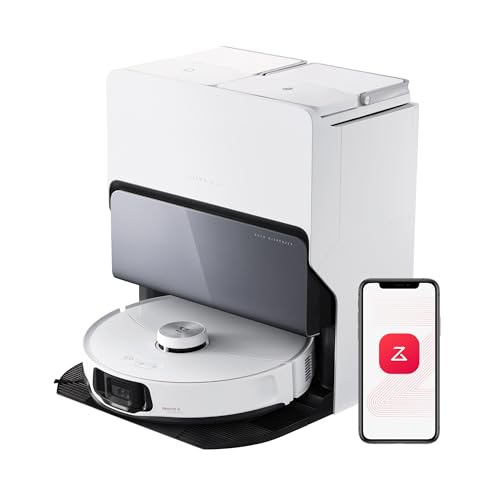
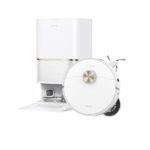
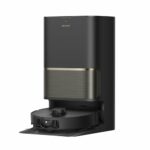
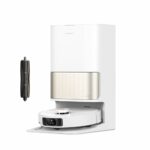
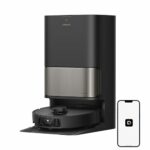
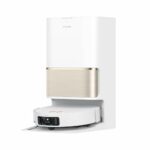
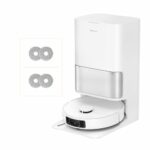
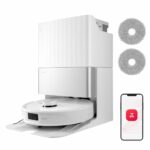
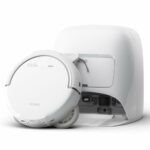
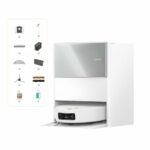
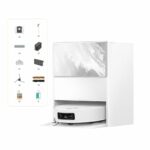
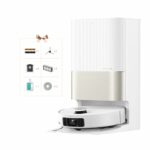
We're looking at three premium robot vacuum cleaners that represent different approaches to automated home cleaning. The Dreame L10s Ultra Gen 3 arrived in November 2025, whilst the Dreame L40s Pro Ultra launched earlier that same year. The Roborock S8 MaxV Ultra comes from 2024, representing the established benchmark in this category.
All three feature multifunctional bases that handle both vacuuming and mopping, though they differ significantly in their technical specifications and intelligent features. The Dreame models share similar DNA but target different user profiles, whilst the Roborock brings its own philosophy to floor care. Understanding these differences matters when choosing which will suit your home best.
Power and Suction
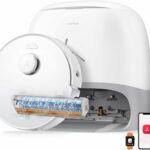
The Dreame L10s Ultra Gen 3 delivers exceptional suction at 25,000 Pa, making it the most powerful of the three by a considerable margin. This robot uses a simplified main brush design rather than the dual roller systems found in its competitors. For homes with deep-pile carpets or heavy dirt accumulation, this raw power makes a tangible difference.
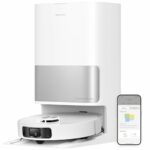
The Dreame L40s Pro Ultra sits at 19,000 Pa with dual roller brushes, whilst the Roborock S8 MaxV Ultra operates at 10,000 Pa, also with dual rollers. In practical terms, the Roborock's lower suction hasn't prevented it from performing well, but the Dreame models offer more headroom for challenging cleaning situations.
Where things get interesting is brush management during mopping. The L40s Pro Ultra and S8 MaxV Ultra can lift their main brushes when mopping, preventing wet bristles from dragging across already-cleaned floors. The L10s Ultra Gen 3 lacks this feature, which could matter if you frequently switch between vacuuming and mopping modes.
All three include extendable side brushes for better corner coverage. However, the L40s Pro Ultra goes further with both side brush lifting and anti-tangle technology. The S8 MaxV Ultra can extend its side brush but cannot lift it or prevent tangles. The L10s Ultra Gen 3 extends but doesn't lift or include anti-tangle features. For homes with pets or long hair, these differences affect maintenance frequency.
Mopping
The Dreame models employ dual rotating mopads with RoboSwing technology, allowing them to push slightly under furniture edges and into corners. The Roborock takes a different approach with its VibraRise vibrating mopad system and a dedicated mini side mop for edges. Both philosophies work, but the execution differs.
Mop extension matters when cleaning along skirting boards. The two Dreame robots use RoboSwing movement to reach edges, whilst the Roborock deploys its small lateral mop. In practice, these systems tackle the same problem from different angles.
Lift height becomes relevant with rugs and carpets. The Roborock S8 MaxV Ultra raises its mopad 20 mm, double the 10.5 mm offered by both Dreame models. This extra clearance helps avoid wetting low-pile rugs, though all three manage typical floor transitions adequately.
The L40s Pro Ultra distinguishes itself with automatic mopad removal at the base. When you need vacuum-only cleaning, the robot detaches its mops without manual intervention. Neither the L10s Ultra Gen 3 nor the S8 MaxV Ultra offers this convenience, requiring you to remove mops manually if you want pure vacuuming.
Dirt detection separates the models further. The L40s Pro Ultra and S8 MaxV Ultra can identify dirty areas and adjust their cleaning patterns accordingly, including detecting when mopads need washing. The L10s Ultra Gen 3 follows predetermined patterns without this adaptive intelligence.
Navigation System
All three robots use LiDAR laser navigation for room mapping, but their visual intelligence varies considerably. The Dreame L40s Pro Ultra and Roborock S8 MaxV Ultra both feature dual AI cameras, whilst the L10s Ultra Gen 3 relies solely on laser sensors and 3D frontal detection.
This camera difference has practical implications. The L40s Pro Ultra recognises 180 different obstacles, significantly more than the S8 MaxV Ultra's 73 objects. Both can identify pets and navigate around them intelligently. The L10s Ultra Gen 3 recognises pets but without camera-based precision.
Remote camera access sets the L40s Pro Ultra and S8 MaxV Ultra apart for security-conscious users. You can check on your home through the robot's cameras when away. LED night vision on these models enables this even in darkness. The L10s Ultra Gen 3 doesn't offer remote viewing.
The L40s Pro Ultra includes curtain detection, helping it avoid getting tangled in long drapes or fabric obstacles. Neither the L10s Ultra Gen 3 nor the S8 MaxV Ultra has this specific capability, though their obstacle avoidance still functions well in most scenarios.
Battery and Autonomy
All three robots share identical 5,200 mAh batteries, but runtime differs based on efficiency and power consumption. The Dreame L10s Ultra Gen 3 achieves 231 minutes of operation, the longest of the trio. The L40s Pro Ultra manages 220 minutes, whilst the Roborock S8 MaxV Ultra runs for 180 minutes.
These differences stem from varying suction levels and feature sets. The L10s Ultra Gen 3's longer runtime partly compensates for its higher power output. For larger homes, that extra runtime translates to fewer charging interruptions during whole-house cleaning sessions.
Intelligent Features
Obstacle climbing capability shows interesting variation. The Dreame L10s Ultra Gen 3 and Roborock S8 MaxV Ultra both handle 20 mm obstacles like thick rugs or door thresholds. The L40s Pro Ultra, however, can tackle simple stairs or larger steps, though the specific height isn't detailed in its specifications.
Voice assistant integration differs notably. The L40s Pro Ultra and S8 MaxV Ultra include their own built-in voice assistants alongside compatibility with Alexa and Google Home. The L10s Ultra Gen 3 works with external voice assistants but lacks its own onboard system. For hands-free operation, this might influence your choice depending on your smart home ecosystem.
Multifunctional Cleaning Base
All three bases handle automatic dust emptying, mopad washing, and drying. The washing happens with hot water, and drying uses heated air to prevent odours and bacterial growth. Each base includes a detergent dispenser for enhanced mopping results.
The Dreame models feature third-generation self-cleaning base trays, automatically maintaining the washing area where mopads are cleaned. The Roborock S8 MaxV Ultra lacks this automated tray cleaning, requiring occasional manual maintenance of the washing station itself.
Storage capacity favours the Dreame robots. Their 3.2-litre dust bags hold more debris than the Roborock's 2.5-litre capacity. Clean water tanks measure 4.5 litres on both Dreame models versus 4 litres on the Roborock. Dirty water collection stands at 4 litres for the Dreame units, compared to 3.5 litres for the Roborock. These differences become noticeable in larger homes where you'd prefer less frequent tank maintenance.
Both Dreame models support optional plumbing connection kits, purchased separately, for continuous water supply and drainage. The Roborock doesn't offer this option. Whilst not essential, plumbing connectivity appeals to users wanting minimal intervention in their cleaning routine.
Dimensions
The robots measure similarly in diameter: 350 mm for both Dreame models, 353 mm for the Roborock. Height varies more significantly. The L10s Ultra Gen 3 stands just 97 mm tall, making it the slimmest and most capable of fitting under low furniture. The L40s Pro Ultra measures 103.8 mm, whilst the S8 MaxV Ultra sits at 103 mm.
That 6-7 mm difference between the L10s Ultra Gen 3 and its competitors might determine whether it reaches under your specific sofas or bed frames. For homes with particularly low-clearance furniture, this detail matters.
Base station footprints differ notably. The Dreame bases measure 340 mm wide, 457-590 mm deep, and around 590 mm tall. The Roborock base spans 409 mm wide, 419 mm deep, and 470 mm tall. The Roborock base is wider but shorter and less deep, affecting where you can position it in your home.
Real-World Use Experience
For large homes, the Dreame L10s Ultra Gen 3's superior battery life and massive suction power handle extensive floor areas efficiently. Its slimmer profile reaches under more furniture, though the lack of AI cameras means less sophisticated obstacle recognition.
Pet owners face an interesting choice. The L10s Ultra Gen 3 offers tremendous suction for embedded pet hair but simpler brush systems without anti-tangle features. The L40s Pro Ultra combines strong suction with anti-tangle side brushes and advanced AI to navigate around pets intelligently. The S8 MaxV Ultra, despite lower suction, includes dual cameras and pet recognition with proven reliability.
Homes mixing hard floors, parquet, and carpets benefit from the L40s Pro Ultra's dirt detection and adaptive cleaning. Its ability to remove mopads automatically means you can vacuum carpeted rooms without manual intervention. The S8 MaxV Ultra's higher mop lift helps with thicker rugs.
Maintenance demands vary. The Dreame bases with self-cleaning trays require less attention to the washing station itself. Larger dust bags and water tanks on the Dreame models mean fewer trips to empty and refill. The optional plumbing kits on Dreame robots eliminate tank maintenance entirely for those willing to install them.
Conclusion: Which to Choose?
Choose the Dreame L10s Ultra Gen 3 if you prioritise raw cleaning power and battery life above all else. Its 25,000 Pa suction tackles the most demanding floors, whilst 231 minutes of runtime covers large homes thoroughly. The slim 97 mm height accesses spaces its competitors cannot reach. This suits homes with extensive hard flooring, heavy dirt accumulation, or furniture with limited clearance underneath. Accept that you'll manage without AI cameras and some advanced automation features.
Choose the Dreame L40s Pro Ultra if you want comprehensive automation with intelligent adaptability. The dual AI cameras, 180-object recognition, and dirt detection create a genuinely smart cleaning experience. Automatic mopad removal, side brush lifting, and curtain detection reduce manual intervention significantly. Remote camera access adds home monitoring capability. This fits households seeking maximum convenience, those with complex floor plans, or users who value cutting-edge technology alongside strong cleaning performance.
Choose the Roborock S8 MaxV Ultra if you prefer proven reliability with excellent mopping capability. The 20 mm mop lift handles rugs better than its competitors, whilst dual cameras and remote access provide security features. Roborock's established reputation for dependable operation and refined app experience appeals to users who value consistency. The lower suction hasn't prevented this model from cleaning effectively, making it suitable for most homes without extreme dirt challenges or very thick carpets.