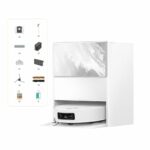
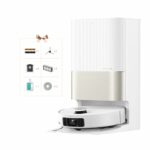
✨ VS Analyses · VacuumSpain comparison technology. Explanation created with AI from verified technical data.
Introduction
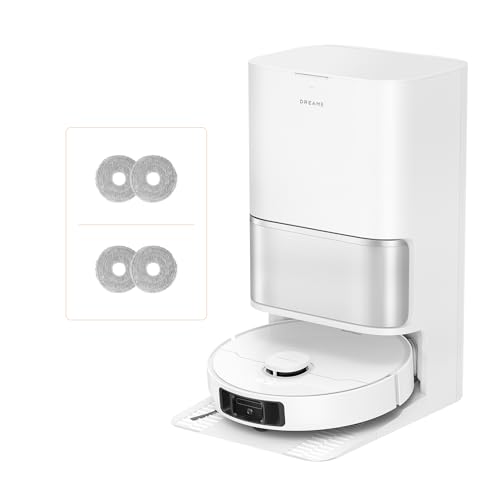
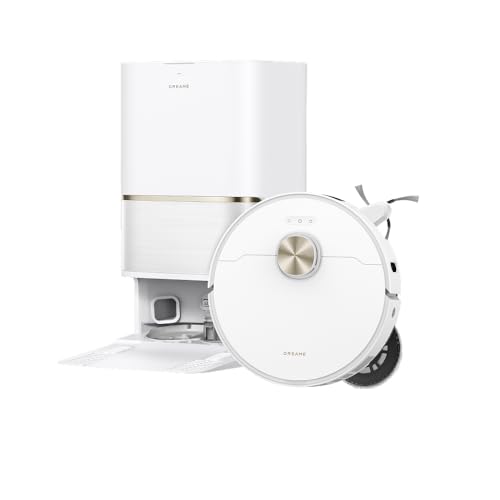
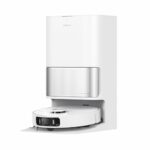
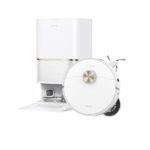
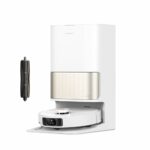
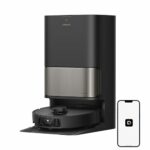
The Dreame L10s Ultra Gen 3 and Dreame L50 Ultra AE represent two generations of premium robot vacuum cleaners from the same manufacturer, launched just months apart. The L10s Ultra Gen 3 arrived in November 2025, whilst the L50 Ultra AE followed in March 2026 as a refined iteration. Both models feature comprehensive multifunctional bases with automatic emptying, mop washing and hot air drying, positioning them firmly in the high-end segment for users seeking minimal maintenance.
These aren't budget options. They're designed for homeowners who want thorough automated cleaning across mixed floor types without constantly intervening. The newer L50 Ultra AE brings several technical upgrades over its predecessor, though the L10s Ultra Gen 3 retains some unique features that might appeal to specific households.
Suction Power and Brushing System
The L50 Ultra AE pushes suction to 28,000 Pa, a noticeable step up from the 25,000 Pa offered by the L10s Ultra Gen 3. In practice, this translates to better performance on carpets and improved debris pickup from textured surfaces. The difference becomes particularly evident when dealing with ground-in dirt or fine particles embedded in rug fibres.
Where the two models diverge significantly is in brush design. The L10s Ultra Gen 3 employs a simpler main brush arrangement, whilst the L50 Ultra AE incorporates TriCut 3.0 technology. This system combines bristles with integrated cutting blades that actively slice through tangled hair, reducing maintenance frequency for households with long-haired occupants or pets. The L50's main brush also lifts during mopping operations, preventing wet contact with carpets—a feature the L10s lacks.
Both models feature extendable side brushes that reach into corners more effectively. However, the L50 Ultra AE adds anti-tangle technology to this component, preventing hair wrap-around that typically requires manual intervention. The L10s Ultra Gen 3 doesn't include this refinement on its side brush, meaning you'll likely need to cut away accumulated hair more regularly.
Mopping Performance
Each model uses dual rotating mops with extension capabilities and the RoboSwing movement system, which shifts the robot's rear section to push mops slightly under furniture edges and skirting boards. Both can lift their mops 10.5mm when transitioning onto carpets, sufficient for most low-pile rugs.
The critical difference lies in mop maintenance at the base. The L50 Ultra AE washes its mops with heated water, which dissolves grease and sticky residues more effectively than the cold water system on the L10s Ultra Gen 3. Whilst both dry mops with hot air to prevent odours, starting with a hotter wash means the L50 achieves cleaner mops before drying begins.
Another practical advantage: the L50 Ultra AE can automatically remove its mops at the base when you only want vacuuming. The L10s Ultra Gen 3 requires manual mop removal for vacuum-only sessions, adding an extra step if you frequently switch between cleaning modes.
Neither model detects dirt levels on mops or floors for adaptive cleaning, so they won't automatically re-clean heavily soiled areas.
Navigation System
Both robots navigate using third-generation LiDAR turrets combined with frontal 3D laser sensors for obstacle detection. This dual-sensor approach maps efficiently whilst avoiding collisions with furniture legs, cables and other floor-level hazards. Neither includes a front-facing camera, LED lighting for night vision, or remote camera access.
An interesting quirk: the L10s Ultra Gen 3 includes pet recognition, identifying animals and adjusting behaviour accordingly. The L50 Ultra AE doesn't feature this capability despite being the newer model. If you have dogs or cats that might be startled by the robot, the L10s may prove less disruptive.
The L10s also incorporates CleanGenius AI for intelligent cleaning adjustments, another feature absent from the L50. This system analyses room conditions and modifies cleaning patterns, though the practical impact varies depending on home layout.
Battery Life and Coverage
Both models share identical 5,200mAh batteries. The L10s Ultra Gen 3 provides 231 minutes of runtime according to available data, though specific autonomy figures for the L50 Ultra AE weren't provided. Given the higher suction power of the L50, it may consume slightly more energy under maximum settings, potentially reducing runtime marginally compared to the L10s.
With these battery capacities, either model handles large homes comfortably. Expect coverage of substantial floor areas before needing to return for recharging, with both capable of resuming cleaning after topping up their batteries.
Smart Features
Each robot can climb obstacles up to 20mm high, sufficient for most door thresholds and thick carpet edges. Both integrate with external voice assistants like Alexa and Google Home, though neither includes a proprietary voice assistant built into the unit itself.
The absence of robotic arms on both models means they can't manipulate objects or open doors—they're purely floor-cleaning devices without advanced manipulation capabilities.
Multifunctional Base Station
The base units share identical dimensions (340mm wide, 590mm tall, 457mm deep) and core functionality. Both automatically empty the robot's dust bin into 3.2-litre bags, wash mops, dry them with heated air, and include third-generation self-cleaning systems for the wash tray itself. Water tank capacities match at 4.5 litres for clean water and 4 litres for dirty water, with detergent dispensers fitted to both.
As mentioned earlier, the key distinction is hot water mop washing on the L50 versus cold water on the L10s. This affects cleaning efficacy rather than convenience.
Neither base connects directly to household plumbing, though optional kits can be purchased separately for continuous water supply. This isn't a major differentiator since it's an aftermarket addition for both models.
Physical Dimensions
The robots themselves are dimensionally identical: 350mm diameter and 97mm tall. This height allows them to slip beneath most sofas and bed frames, whilst the diameter is standard for premium models with LiDAR turrets.
Dust bin capacity differs slightly—300ml on the L10s Ultra Gen 3 versus 250ml on the L50 Ultra AE. Both hold 80ml of water in their onboard tanks. The smaller dust bin on the newer model seems an unusual regression, though with automatic emptying at the base, it rarely becomes a practical limitation.
Real-World Usage Scenarios
For homes with pets that shed heavily, the L50 Ultra AE's TriCut 3.0 brush and side brush anti-tangle technology reduce maintenance significantly. You'll spend less time cutting hair from brushes, and the stronger suction pulls more fur from carpets and upholstery edges.
If you have nervous pets, the L10s Ultra Gen 3's pet recognition might create a calmer cleaning experience, as the robot can identify animals and potentially modify its approach to avoid startling them.
The L50's hot water mop washing makes a tangible difference on kitchen floors and other areas prone to sticky spills. Cold water struggles with grease and dried-on residues, so the L10s requires more frequent manual mopping to maintain the same cleanliness level.
For households that alternate between full mopping and vacuum-only days, the L50's automatic mop removal saves time. The L10s requires you to physically detach the mops, which becomes tedious if you switch modes frequently.
Both models suit large homes thanks to their battery capacity and efficient navigation. The base stations demand similar floor space, so installation requirements don't favour one over the other.
Conclusion: Which Should You Choose?
Choose the Dreame L10s Ultra Gen 3 if: You have pets that might be disturbed by cleaning robots and value the pet recognition feature. The CleanGenius AI appeals if you want the robot to make autonomous cleaning decisions. The slightly larger dust bin offers marginal benefit, and you're comfortable with cold water mop washing or don't frequently deal with greasy floors. If you can find it at a significant discount compared to the L50, it remains a capable premium option.
Choose the Dreame L50 Ultra AE if: You want the strongest available suction and most advanced brush technology to minimise hair tangles. Hot water mop washing matters for your floor types, particularly in kitchens or homes with young children where spills are common. The automatic mop removal feature suits your cleaning routine, and you prefer the most recent technology even if it means losing pet recognition. For households with multiple long-haired occupants or shedding dogs, the reduced brush maintenance justifies the investment.
The L50 Ultra AE represents a refinement rather than a revolution. Its improvements target specific pain points—hair management, mop washing effectiveness, and convenience features. The L10s Ultra Gen 3 remains thoroughly competent, with its own unique features that some households will genuinely prefer. Your choice ultimately depends on whether the L50's upgrades address your specific cleaning challenges, or whether the L10s delivers everything you need at potentially better value.