✨ VS Analyses · VacuumSpain comparison technology. Explanation created with AI from verified technical data.
Introduction
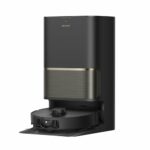
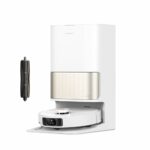
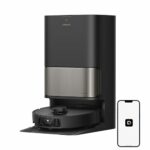
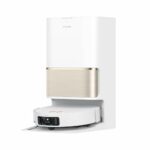
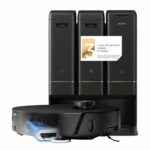
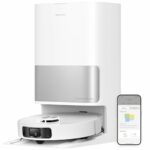
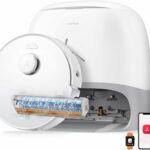
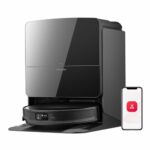
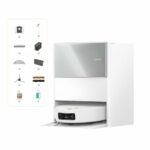
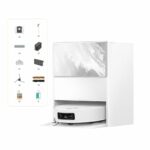
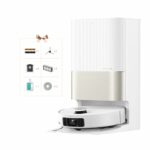
The Dreame L10s Ultra Gen 3 and Dreame L50 Pro Ultra represent two distinct approaches to premium robot vacuum cleaning from the same manufacturer. The L10s Ultra Gen 3 arrived in November 2025 as a powerful option focused on raw suction performance, whilst the L50 Pro Ultra positions itself as the more sophisticated model with advanced artificial intelligence and camera-based navigation. Both feature multifunctional bases capable of washing and drying mops, making them suitable for households that want genuinely automated floor cleaning without constant manual intervention.
These models target users who want comprehensive cleaning without compromise. The differences between them reveal distinct priorities: one emphasises brute cleaning power, the other prioritises intelligent navigation and advanced detection capabilities.
Power and Suction
The Dreame L10s Ultra Gen 3 delivers 25,000 Pa of suction power, significantly outpacing the 19,500 Pa offered by the L50 Pro Ultra. This difference translates to noticeably stronger performance on carpets and when dealing with embedded dirt or pet hair. For homes with thick rugs or households where debris accumulates quickly, this extra muscle matters.
The brushing systems differ fundamentally. The L10s Ultra Gen 3 uses a single conventional brush, whereas the L50 Pro Ultra employs Dreame's dual HyperStream brush design. This dual-brush configuration reduces hair tangles considerably, which proves particularly valuable in homes with pets or long-haired occupants. The HyperStream system anchors two brushes at one end, creating a design that actively prevents hair from wrapping around the roller.
Only the L50 Pro Ultra can lift its main brush during mopping, raising it clear of the floor to prevent wet carpet fibres or unnecessary contact with already-cleaned surfaces. This same model also lifts its side brush and features anti-tangle technology on the lateral brush itself. The L10s Ultra Gen 3 lacks these refinements, though it does include the extensible side brush for better corner coverage, a feature both models share.
In practice, the L50 Pro Ultra offers a more refined brushing experience with less maintenance, whilst the L10s Ultra Gen 3 compensates with sheer suction force.
Mopping
Both robots use dual rotating mops and extend them to reach edges more effectively. Each model lifts its mops 10.5 mm when encountering carpet, and both incorporate Roboswing movement to push the mop slightly under furniture edges and skirting boards.
The critical difference emerges at the base. The L50 Pro Ultra washes its mops with hot water, which removes grease and stubborn marks more effectively than the cold water system on the L10s Ultra Gen 3. Hot water makes a tangible difference when dealing with kitchen spills or sticky residues that cold water struggles to shift.
More significantly, the L50 Pro Ultra can automatically detach its mops at the base when you want to vacuum only, eliminating the need to manually remove them. It also detects dirt on the mops themselves and on the floor surface, triggering additional cleaning passes or mop washes when needed. The L10s Ultra Gen 3 offers none of these intelligent mopping features, relying instead on standard programmed routines.
Both models dry their mops with hot air and feature third-generation self-cleaning trays that wash themselves after cleaning the robot's mops. Detergent dispensers are standard on each. For households prioritising truly autonomous mopping with minimal oversight, the L50 Pro Ultra clearly takes the lead.
Navigation System
The Dreame L10s Ultra Gen 3 uses a traditional LiDAR tower that protrudes from the top of the robot, adding to its 97 mm height. The L50 Pro Ultra employs retractable LiDAR, which contributes to its slimmer 89 mm profile whilst still providing accurate laser-based mapping.
Where navigation truly diverges is in visual intelligence. The L50 Pro Ultra incorporates dual AI cameras alongside its laser sensors, enabling it to recognise up to 180 different obstacle types. It detects curtains specifically, avoiding entanglement, and includes LED lighting for night-time vision. The camera feed can be accessed remotely, effectively turning the robot into a mobile home monitor.
The L10s Ultra Gen 3 has no camera whatsoever. It relies purely on its LiDAR tower and 3D laser sensors for obstacle avoidance. Whilst both models recognise pets and navigate effectively, the L50 Pro Ultra's visual recognition provides a more nuanced understanding of the environment. It runs on Dreame's AI Sage 13.0 octa-core processor with CleanGenius AI, the same software present on the L10s Ultra Gen 3, but leverages far more sensory input.
For complex homes with varied furniture, children's toys scattered about, or users who value remote camera access, the L50 Pro Ultra's visual intelligence proves superior. The L10s Ultra Gen 3 navigates competently but without the same environmental awareness.
Autonomy and Battery
The Dreame L10s Ultra Gen 3 houses a 5,200 mAh battery delivering 231 minutes of runtime. The L50 Pro Ultra carries a larger 6,400 mAh battery but runs for 200 minutes. This apparent contradiction stems from the L50 Pro Ultra's higher power consumption due to its cameras, more advanced processor, and additional sensors.
In practical terms, 231 minutes allows the L10s Ultra Gen 3 to cover larger floor areas in a single session, particularly useful in expansive homes where the robot might otherwise need to recharge mid-clean. The L50 Pro Ultra's 200 minutes still proves ample for most residential properties, and its intelligent navigation may actually complete cleaning faster despite the shorter runtime.
Neither model specifies charging time or maximum recommended surface area in the available data, so direct efficiency comparisons remain limited to runtime figures alone.
Intelligent Functions
Both robots can climb obstacles up to 20 mm high, though the L50 Pro Ultra adds "simple step" climbing capability, suggesting more sophisticated approach angles or weight distribution when encountering thresholds.
The L50 Pro Ultra includes a built-in voice assistant, allowing direct interaction without relying solely on smartphone control or external smart speakers. Both models integrate with Alexa and Google Home for external voice control, but having an onboard assistant adds convenience for quick commands whilst moving about the house.
Neither robot features a robotic arm for advanced object manipulation, keeping them focused purely on floor cleaning tasks.
Multifunctional Cleaning Base
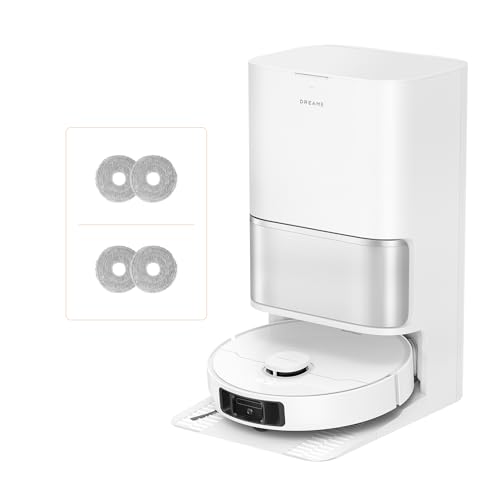
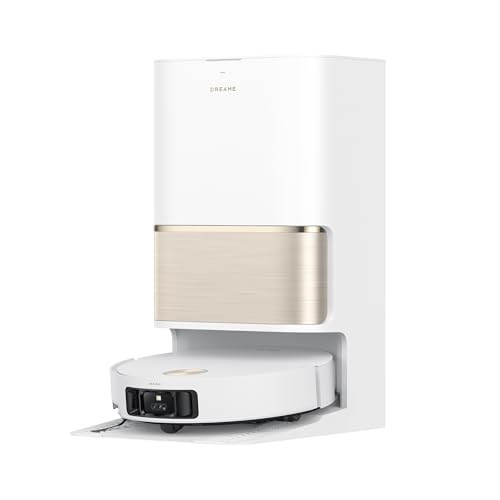
Both bases measure essentially identically—around 340 mm wide, 590 mm tall, and 457 mm deep—and offer the same storage capacities: 3.2-litre dust bags, 4.5-litre clean water tanks, and 4-litre dirty water tanks. Each base auto-empties the robot's dustbin, washes and hot-air-dries the mops, cleans its own wash tray, and includes a detergent dispenser.
The defining difference remains the hot water mop washing on the L50 Pro Ultra versus cold water on the L10s Ultra Gen 3. Hot water demonstrably improves cleaning performance on greasy or sticky floors.
Both models offer an optional plumbing connection kit purchased separately, allowing continuous water supply and drainage without manual tank refilling. This kit isn't included as standard, so it's worth noting as an additional expense rather than a core differentiator. Neither base includes UV disinfection or automatic mop replacement systems.
Dimensions
The robots share a 350 mm diameter but differ in height. The Dreame L10s Ultra Gen 3 stands 97 mm tall due to its protruding LiDAR tower, whilst the L50 Pro Ultra measures just 89 mm thanks to its retractable laser system. That 8 mm difference determines whether the robot can slip beneath low-clearance furniture like certain sofas, beds, or cabinets.
For homes with furniture hovering right around the 90-95 mm clearance mark, the L50 Pro Ultra's slimmer profile grants access to spaces the L10s Ultra Gen 3 simply cannot reach. This seemingly minor measurement can significantly impact how thoroughly the robot cleans your home without requiring furniture rearrangement.
Base dimensions are virtually identical, so neither model demands more floor space than the other for its docking station.
Real-World Use Experience
The Dreame L10s Ultra Gen 3 suits households prioritising maximum suction power and extended battery life. Its 25,000 Pa and 231-minute runtime make it ideal for larger homes with substantial carpet coverage or heavy soiling. The simpler navigation system proves perfectly adequate for straightforward floor plans without excessive clutter.
Homes with pets benefit more from the L50 Pro Ultra's dual HyperStream brush, which dramatically reduces the tedious task of cutting tangled hair from brush rollers. The hot water mop washing also tackles pet accidents and muddy paw prints more effectively. Its camera-based navigation excels in busy households where toys, shoes, and other obstacles frequently appear in unexpected places.
The L50 Pro Ultra's 89 mm height makes it the clear choice for homes with low-clearance furniture, whilst its automatic mop removal and dirt detection suit users who want maximum autonomy with minimal intervention. The built-in voice assistant adds convenience for those who prefer speaking commands rather than opening an app.
The L10s Ultra Gen 3's simpler feature set translates to potentially fewer components that might require servicing, though both models come from the same manufacturer with comparable build quality. Its cold water mopping and manual mop removal demand slightly more user involvement but deliver perfectly acceptable results on hard floors without heavy grease.
Conclusion: Which to Choose?
Choose the Dreame L10s Ultra Gen 3 if: you prioritise maximum suction power above all else, have a larger home where extended battery life matters, prefer straightforward operation without camera-based features, or want to save money on a capable robot that handles the fundamentals exceptionally well. It's particularly suited to carpet-heavy homes where that 25,000 Pa makes a noticeable difference.
Choose the Dreame L50 Pro Ultra if: you want the most advanced navigation and obstacle recognition available, live with pets and need anti-tangle brushes, have furniture under 90 mm clearance, value hot water mop washing for superior floor cleaning, desire remote camera access, or simply want the most autonomous experience possible with automatic mop removal and dirt detection. It represents the premium option with every convenience feature Dreame currently offers.
For most households seeking a top-tier robot aspirador in 2025, the L50 Pro Ultra justifies its position as the flagship model. Those who value raw power and longer runtime whilst accepting slightly less sophistication will find the L10s Ultra Gen 3 delivers excellent performance at what's likely a more accessible price point.