✨ VS Analyze · VacuumSpain comparison technology. AI-generated explanation based on verified technical data.
Introduction
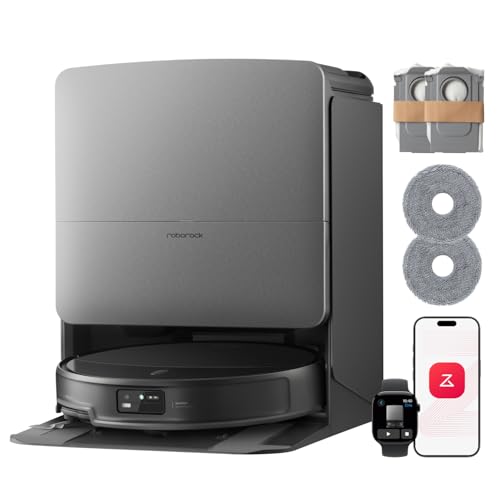
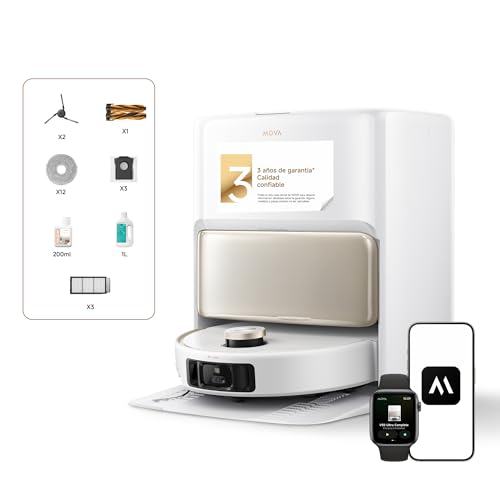
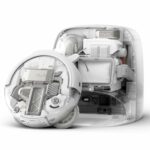
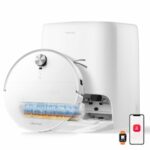
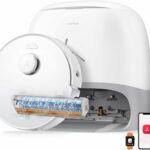
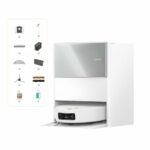
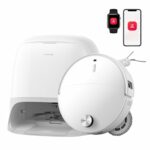
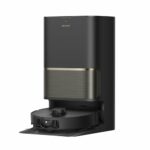
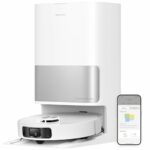
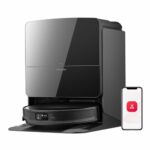
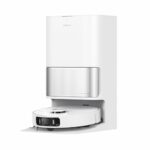
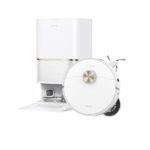
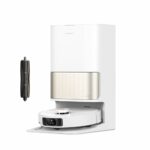
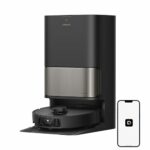
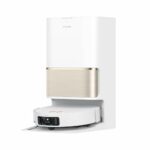
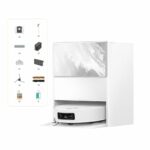
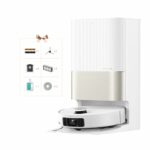
The Roborock Saros 20, launching in February 2026, represents the latest evolution from the world's leading robot vacuum manufacturer. Facing it are two strong contenders from the Dreame ecosystem: the Mova V50 Ultra and the Dreame X50 Ultra Blanca, both released in 2025. All three sit firmly in the premium segment, equipped with multifunctional bases that wash and dry mops automatically, advanced AI navigation systems, and substantial power for tackling large homes with varied flooring types.
The Saros 20 arrives with Roborock's trademark engineering refinement and a significant power advantage. The Mova V50 Ultra, from Dreame's sister brand, positions itself as a feature-rich alternative with hot water mopping and dual detergent tanks. The Dreame X50 Ultra Blanca rounds out the trio with solid specifications and the option for plumbing connection. Each targets users seeking minimal intervention and maximum cleaning performance, though their approaches differ in meaningful ways.
Power and Suction
Suction power separates these models dramatically. The Roborock Saros 20 generates 36,000 Pa, a figure that positions it amongst the most powerful robot vacuum cleaners available. The Mova V50 Ultra follows with 24,000 Pa, whilst the Dreame X50 Ultra Blanca delivers 20,000 Pa. In practical terms, this gap becomes noticeable on deep-pile carpets or when dealing with embedded pet hair and fine dust in textured flooring.
The brush systems take different approaches to the perennial problem of hair tangles. Roborock equips the Saros 20 with its DuoDivide design, which channels hair towards the central suction point rather than wrapping it around the roller. Both the Mova and Dreame models use dual HyperStream brushes, a configuration with two independently mounted rollers that similarly minimise entanglement. All three feature anti-tangle side brushes that can extend to reach corners and retract when mopping to avoid dragging wet debris.
Each robot lifts its main brush during mopping sessions, preventing the roller from becoming soaked or spreading dirty water. The side brushes also elevate when mopping, a detail that matters for maintaining clean edges without contaminating freshly mopped areas.
Mopping Performance
All three employ dual rotating mops that extend to reach skirting boards. The Mova V50 Ultra and Dreame X50 Ultra Blanca both incorporate a swinging motion that helps the mop pad reach slightly under furniture edges and around obstacles. The Saros 20 extends its mops but without the additional swing mechanism.
Mopa elevation differs measurably. The Roborock Saros 20 raises its pads between 12 and 22 mm depending on the situation, providing greater clearance for thicker carpets or rugs. The Mova and Dreame models lift to 10.5 mm, sufficient for most low-pile rugs but less adaptable for homes with varied carpet heights.
Water temperature during mopping reveals another distinction. The Mova V50 Ultra heats water to 80°C before sending it to the mop pads, a feature designed to tackle stubborn grease and dried-on stains more effectively. The Saros 20 uses warm water, offering some temperature advantage without reaching the Mova's peak. The Dreame X50 Ultra Blanca mops with cold water, which handles routine dirt adequately but lacks the dissolving power of heated systems.
When the robots return to their bases for mop washing, temperatures vary again. The Mova cleans its pads at 80°C, the Saros 20 at 75°C, and the Dreame at 70°C. Higher wash temperatures help sanitise the pads more thoroughly, reducing bacterial growth between cleaning sessions. All three dry their mops with hot air, preventing the musty odours that plague cold-air systems. Each base can automatically remove the mop pads when vacuum-only mode is selected, a convenience that eliminates manual intervention.
Dirt detection features across all models, with sensors monitoring both the mop pads and the floor surface itself. When excessive soiling is detected, the robot will re-clean the area or return to the base for a fresh mop wash.
Navigation Systems
The Saros 20 employs Roborock's StarSight 2.0 system, whilst both Mova and Dreame use retractable LiDAR configurations. All three combine laser mapping with dual AI cameras and frontal 3D sensors for comprehensive spatial awareness. LED lighting enables night-time navigation without relying solely on infrared or laser detection.
Object recognition capability favours the Roborock, which identifies up to 300 different obstacles compared to 200 for the Mova and Dreame models. In practice, this expanded database helps the Saros 20 navigate more complex environments with greater confidence, particularly in homes filled with children's toys, charging cables, or varied furniture styles. All three recognise pets, curtains, and common household items, with remote camera access available through their respective apps for checking on spaces whilst away.
Battery and Autonomy
Battery capacity matches across all three at 6,400 mAh, a generous size for extended cleaning sessions. The Mova V50 Ultra translates this into 220 minutes of runtime, whilst the Dreame X50 Ultra Blanca manages 180 minutes. Autonomy figures for the Saros 20 weren't available in the specifications, though its higher suction power may draw more energy during intensive cleaning modes.
For large homes, the Mova's longer stated runtime provides additional assurance that the robot will complete a full clean without returning mid-session to recharge. The difference between 180 and 220 minutes can cover an extra 30-40 square metres in typical operation, which matters for properties exceeding 200 square metres.
Smart Features
All three robots manage simple threshold crossings, though none incorporates a robotic arm for manipulating objects or opening doors. Each includes its own voice assistant alongside compatibility with Alexa and Google Home, allowing hands-free control and status updates.
The Saros 20's SmartPlan AI, Mova's CleanGenius system, and Dreame's CleanGenius (running on AI Sage 13.0 algorithms in the X50 Ultra Blanca) each analyse room layouts, traffic patterns, and cleaning history to optimise routes and schedules. These systems learn which areas accumulate dirt faster and adjust cleaning frequency accordingly. Stain recognition triggers localised intensive cleaning automatically when spills are detected.
Multifunctional Base
Each base automatically empties the robot's dust container, washes and dries the mop pads, and stores substantial quantities of clean and dirty water. The Roborock base holds 2.5 litres in its dust bag, whilst both Mova and Dreame provide 3.2-litre bags—a difference that translates to less frequent bag replacement in larger homes or those with shedding pets.
Clean water reservoirs measure 4 litres in the Saros 20 and Mova, rising to 4.5 litres in the Dreame. Dirty water capacity sits at 3 litres for the Roborock, 3.5 litres for the Mova, and 4 litres for the Dreame. These variations affect how often you'll need to refill or empty the base, particularly relevant during intensive mopping sessions across large floor areas.
The Mova V50 Ultra distinguishes itself with dual detergent tanks, allowing separate cleaning solutions for different floor types or cleaning intensities. The Saros 20 and Dreame X50 Ultra Blanca each provide a single detergent reservoir. All three bases clean their own wash trays automatically—the Saros 20 with hot water, whilst both Mova and Dreame employ third-generation self-cleaning systems. UV disinfection appears only in the Mova and Dreame bases, adding an extra sanitisation layer absent from the Roborock.
The Dreame X50 Ultra Blanca offers an optional plumbing connection kit, purchased separately, which eliminates manual water management entirely for those willing to install the necessary connections. Neither the Saros 20 nor the Mova includes this option.
Physical Dimensions
Height proves critical for navigating under furniture. The Roborock Saros 20 measures just 79.8 mm tall, allowing it to slip beneath sofas and bed frames that would block the Mova V50 Ultra at 89.5 mm or the Dreame X50 Ultra Blanca at 89 mm. That centimetre difference expands the cleanable area significantly in homes with low-clearance furniture.
Diameter varies minimally: 353 mm for the Saros 20 versus 350 mm for both competitors. This negligible difference won't affect manoeuvrability in any practical sense.
Base dimensions matter for placement. The Saros 20's station measures 381 mm wide, 488 mm tall, and 475 mm deep. The Mova base spreads to 420 mm wide but stands shorter at 470 mm tall, with 458 mm depth. The Dreame takes a narrower footprint at 340 mm wide but rises to 590.5 mm tall with 456.7 mm depth. If you're tucking the base into a tight alcove or under a counter, these measurements determine what fits.
Real-World Application
For homes exceeding 150 square metres with multiple floor types, the Saros 20's superior suction and lower profile deliver tangible advantages. Its ability to clean under more furniture and tackle deep carpets with greater force suits larger properties where thoroughness outweighs other considerations. The 300-object recognition database helps in cluttered family homes.
Pet owners face specific challenges that these specifications address differently. The Saros 20's DuoDivide brush combined with maximum suction handles heavy shedding most effectively. The Mova's longer runtime and dual detergent tanks allow extended cleaning sessions with targeted solutions for pet stains. All three manage hair well, but the power difference becomes apparent with long-haired breeds or multiple animals.
For those prioritising mopping performance, the Mova V50 Ultra's 80°C floor mopping temperature and hot mop washing provide the most aggressive approach to sanitisation and stain removal. This matters particularly in kitchens or homes with young children where hygiene takes precedence. The UV disinfection adds another layer of cleanliness absent from the Roborock.
Smaller flats or homes under 100 square metres won't fully utilise the extended runtimes or large water capacities, making the choice less about raw specifications and more about specific features like the Saros 20's compact height or the Dreame's optional plumbing connection.
Conclusion: Which to Choose?
Choose the Roborock Saros 20 if maximum suction power and the lowest profile matter most. Its 36,000 Pa and 79.8 mm height make it ideal for homes with thick carpets and low furniture, whilst the advanced object recognition suits busy households. The warm water mopping and 75°C mop washing deliver solid hygiene without reaching the Mova's extremes, and Roborock's reputation for reliability and app quality provides peace of mind.
Choose the Mova V50 Ultra if you want the hottest mopping temperatures and longest runtime. The 80°C floor and mop washing, UV disinfection, and dual detergent tanks create the most sanitised cleaning environment, perfect for families prioritising hygiene. The 220-minute battery life and larger water reservoirs suit extensive properties, whilst the third-generation base self-cleaning reduces maintenance frequency.
Choose the Dreame X50 Ultra Blanca if you value the option for plumbing integration and prefer the narrowest base footprint. Its 340 mm width fits tighter spaces, and the optional water connection eliminates manual refilling entirely for those willing to invest in installation. The 20,000 Pa suction and cold water mopping prove adequate for routine cleaning, particularly in smaller homes without extreme demands, and the AI Sage 13.0 algorithms provide intelligent route planning at a typically lower price point than Roborock.