✨ VS Analyze · VacuumSpain comparison technology. AI-generated explanation based on verified technical data.
Introduction
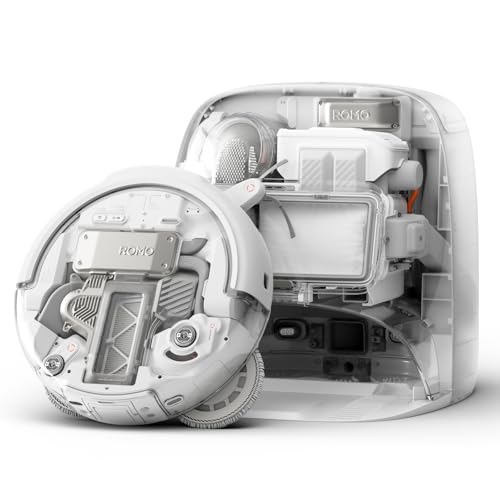
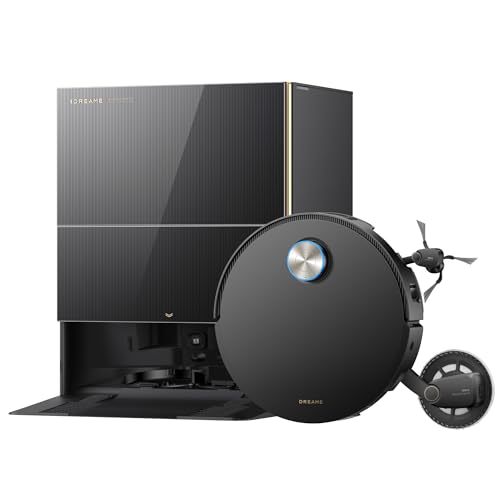
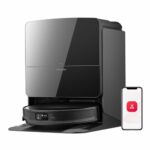
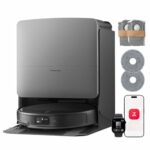
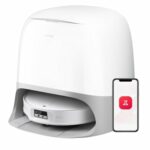
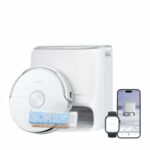
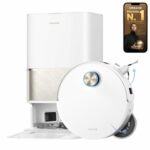
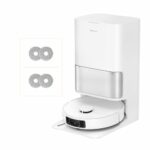
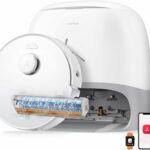
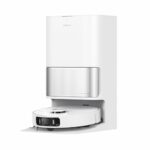
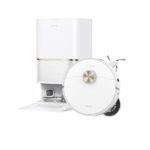
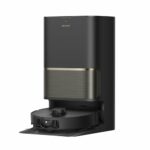
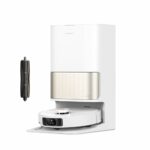
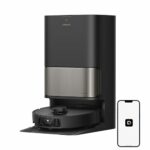
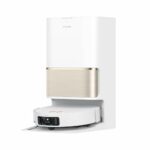
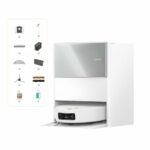
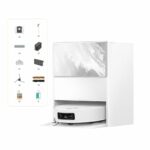
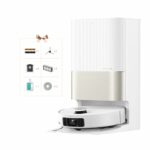
The DJI Romo P (Robot and Transparent Base) represents DJI\'s entry into the robot vacuum market in 2025, bringing the brand\'s renowned imaging and navigation technology to home cleaning. The Dreame X60 Pro Ultra, launching in May 2026, showcases the latest evolution from a manufacturer known for pushing boundaries in cleaning performance and intelligent features.
These are both premium models with multifunctional bases that handle the complete cleaning cycle. The DJI model introduces innovative concepts like a transparent base design and dual detergent tanks, whilst the Dreame focuses on raw power and comprehensive automation. Both target users who want minimal intervention in their cleaning routine, though they take different approaches to achieve this goal.
Power and Suction
Suction power shows a significant gap between these models. The Dreame X60 Pro Ultra reaches 42,000 Pa, considerably higher than the DJI\'s 25,000 Pa. In practical terms, this translates to more effective deep cleaning of carpets and better performance extracting debris from grout lines or textured flooring.
The main brush design differs substantially. DJI employs a split anti-tangle brush system, whilst Dreame uses its dual HyperStream 2.0 anti-tangle configuration. Both prevent hair wrapping effectively, but the HyperStream design with its twin anchored brushes has proven particularly effective in homes with long-haired occupants or multiple pets.
Both robots lift their main brush when mopping to avoid dragging dirt across wet floors. The side brush configuration reveals more variation: the DJI Romo P (Robot and Transparent Base) extends its side brush but cannot lift it. The Dreame X60 Pro Ultra does both, extending up to 12 cm robotically and lifting when needed. This matters when transitioning between hard floors and carpets during combined cleaning sessions.
The X60 Pro Ultra includes a dedicated skirting board brush, allowing it to clean right along wall edges more thoroughly. The DJI lacks this feature. Both models incorporate anti-tangle technology in their side brushes, though the DJI uses a dual brush configuration.
Mopping Performance
Both systems use dual rotating mop pads with downward pressure, but the specifications diverge considerably. The Dreame X60 Pro Ultra spins its mops at 280 RPM with 15N pressure, whilst the DJI Romo P (Robot and Transparent Base) applies 12N pressure without a specified rotation speed.
Mop extension makes a substantial difference when cleaning room edges. The Dreame extends its mops robotically by 18 cm, getting much closer to skirting boards than the DJI\'s system. Both can lift their mops, though the Dreame achieves greater clearance at 10.5 mm standard (up to 21.5 mm with chassis elevation), useful for transitioning onto thicker rugs.
Water temperature during floor mopping separates these approaches. The X60 Pro Ultra heats water to 40°C before applying it to floors, helping dissolve greasy residues and dried-on marks more effectively. The DJI model uses cold water throughout the mopping process.
The Dreame can automatically remove its mops at the base when you want vacuuming only, preventing unnecessary mop pad wear. This capability isn\'t confirmed on the DJI. Both models detect dirt on their mop pads and on the floor itself, adjusting their cleaning patterns accordingly.
Navigation System
Navigation technology takes different forms here. The DJI Romo P (Robot and Transparent Base) uses a solid-state wide-angle LiDAR system, whilst the Dreame X60 Pro Ultra employs a retractable 360° LiDAR. The retractable design on the Dreame contributes to its lower profile.
Both incorporate dual RGB AI cameras for object recognition, working alongside 3D laser sensors at the front. The Dreame recognises up to 320 different obstacles and confirms pet recognition capability. It also includes proactive illumination to improve obstacle detection in darker areas.
Remote camera access works on both models, letting you check on your home through the robot\'s perspective. LED lighting for night vision comes standard on each, though the Dreame\'s proactive lighting system actively improves detection rather than just enabling viewing.
The X60 Pro Ultra specifically handles curtain detection, allowing it to clean behind hanging fabric without getting tangled. The DJI doesn\'t mention this capability. Dreame\'s CleanGenius 3.0 AI cleaning system coordinates all these sensors, though the DJI also offers intelligent AI-driven cleaning with stain recognition.
Battery and Autonomy
Both robots carry identical 5,000 mAh batteries, but runtime differs noticeably. The Dreame X60 Pro Ultra achieves 232 minutes of operation compared to 180 minutes on the DJI Romo P (Robot and Transparent Base). This extra runtime becomes relevant in larger homes where the robot needs to cover extensive floor areas in a single session.
Fast charging features on both models, though the Dreame specifies its PowerMaster technology can restore 24% battery capacity in just 5.5 minutes. This rapid top-up means shorter interruptions during cleaning sessions when the robot needs to recharge mid-clean.
Smart Features
Obstacle climbing capability shows the most dramatic difference in practical functionality. The Dreame X60 Pro Ultra can mount single obstacles up to 52 mm high and tackle double steps reaching 100 mm. The DJI manages 20 mm obstacles. This affects whether the robot can navigate between rooms with different floor levels, cross thick door bars, or mount onto area rugs with substantial backing.
The Dreame includes its own integrated voice assistant alongside compatibility with external services like Alexa and Google Home. Both models support Matter protocol, with the DJI receiving this through an OTA update.
Multifunctional Base Station
The base stations handle similar core functions but with notable variations. Both automatically empty the dust container, wash mop pads, and dry them with hot air. The Dreame dries at 50°C, whilst the DJI doesn\'t specify its drying temperature.
Mop washing temperature represents a significant difference. The X60 Pro Ultra heats water to 100°C for washing mop pads, effectively sanitising them between cleaning sessions. The DJI Romo P (Robot and Transparent Base) washes with hot water but doesn\'t specify temperature. The Dreame also cleans its own washing tray with 100°C water, whilst the DJI uses a wide nozzle design for self-cleaning.
UV disinfection appears only on the DJI base, adding an extra sanitisation layer. The DJI also features dual detergent tanks, potentially useful for managing different cleaning solutions for various floor types. The Dreame has a single detergent reservoir.
Tank capacities favour different priorities. The DJI holds 4L clean water and 3.2L dirty water with a 2.4L dust bag. The Dreame carries 4.2L clean water, 3L dirty water, and a larger 3.2L dust bag. The bigger dust capacity means less frequent bag changes in homes that generate substantial debris.
The Dreame offers an optional plumbing connection kit purchased separately, allowing permanent water supply and drainage. Neither model includes integrated plumbing connections as standard.
Dimensions
Height makes the clearest practical difference. The Dreame X60 Pro Ultra measures 89 mm when its LiDAR is retracted, whilst the DJI Romo P (Robot and Transparent Base) stands 98 mm tall. That 9 mm difference determines whether the robot can clean under low-clearance furniture like modern platform beds or minimalist sofas.
Diameter is virtually identical at 350-351 mm, so both navigate similar spaces equally well. Base station footprints differ more substantially. The DJI base measures 453 mm wide, 440 mm tall, and 425 mm deep. The Dreame\'s base is more compact at 390 mm wide but taller at 499 mm and deeper at 456 mm. Consider your available floor space and any overhead clearance when positioning the base.
Real-World Usage Experience
For larger homes, the Dreame X60 Pro Ultra offers clear advantages with its extended 232-minute runtime and larger 3.2L dust bag capacity. The higher 42,000 Pa suction also maintains performance across extensive floor areas without multiple passes.
Pet owners will appreciate the HyperStream 2.0 brush system on the Dreame, proven effective against hair tangles. The higher suction also extracts more embedded pet hair from carpets and upholstery edges. The confirmed pet recognition helps the robot adapt its cleaning around animals.
The 89 mm profile on the Dreame becomes crucial if you have low-clearance furniture throughout your home. That extra accessibility means more floor area actually gets cleaned rather than being skipped.
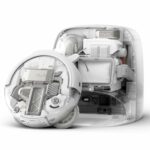
The DJI\'s UV disinfection and dual detergent tanks appeal to households particularly focused on sanitisation or those managing multiple floor types requiring different cleaning solutions. The transparent base design also lets you monitor tank levels and maintenance needs at a glance.
For homes with level transitions, thick door bars, or substantial rugs, the Dreame\'s 52 mm obstacle climbing (100 mm for double steps) versus the DJI\'s 20 mm capability will determine whether the robot achieves truly autonomous whole-home cleaning or requires manual intervention.
The 40°C hot water mopping on the Dreame delivers noticeably better results on greasy kitchen floors or sticky spills compared to cold water systems. The 100°C mop washing also ensures genuinely sanitised pads between sessions.
Conclusion: Which Should You Choose?
Choose the DJI Romo P (Robot and Transparent Base) if: You value UV disinfection and want dual detergent tanks for managing different floor types. The transparent base design appeals if you prefer visual monitoring of tank levels and maintenance status. This model suits homes with relatively level floors where the 20 mm obstacle climbing suffices, and where the 180-minute runtime covers your floor area comfortably. The solid-state LiDAR and comprehensive AI features still deliver excellent navigation despite the lower suction compared to the Dreame.
Choose the Dreame X60 Pro Ultra if: You need maximum cleaning power with 42,000 Pa suction for deep carpet cleaning or homes with pets. The 89 mm height matters if you have low-clearance furniture throughout your home. The 52 mm obstacle climbing (100 mm for double steps) is essential for homes with level changes, thick transitions, or substantial rugs. The 232-minute runtime and larger dust bag suit extensive properties. Hot water mopping at 40°C and 100°C mop washing deliver superior hygiene, particularly valuable in kitchens or homes with young children. The automatic mop removal for vacuuming-only sessions and skirting board brush add useful automation.