✨ VS Analyze · VacuumSpain comparison technology. AI-generated explanation based on verified technical data.
Introduction
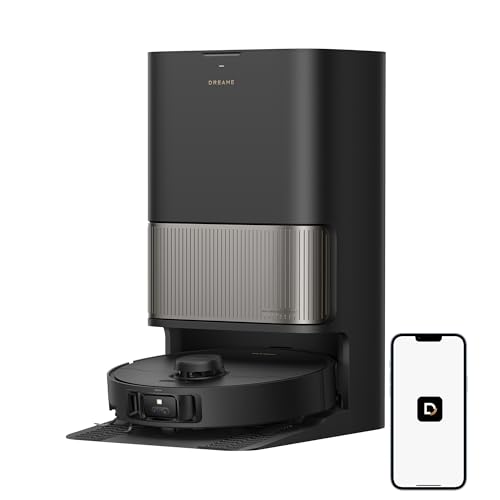
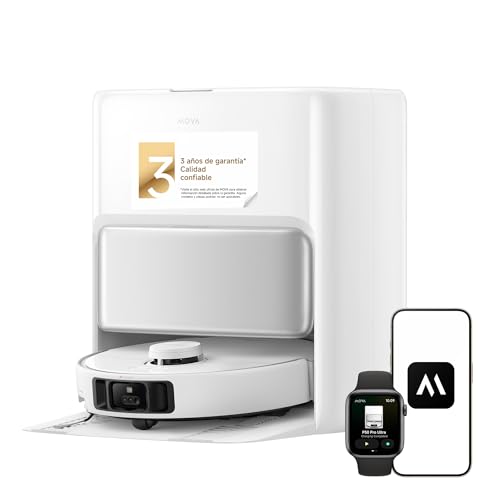
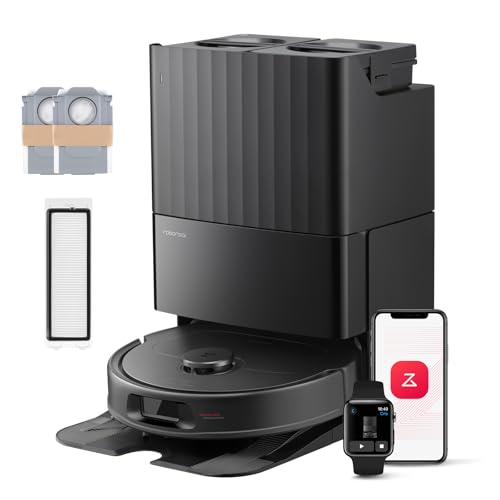
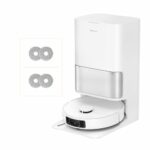
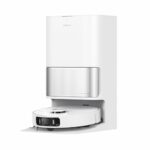
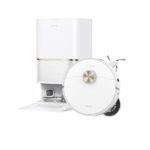
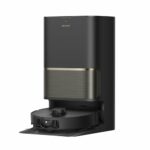
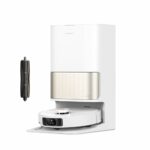
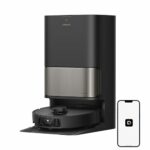
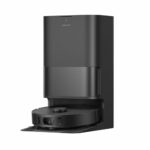
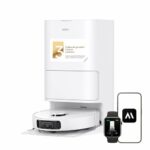
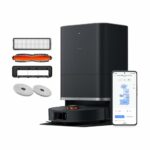
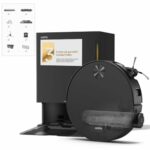
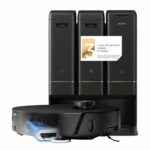
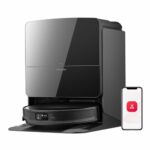
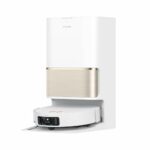
The Dreame L40s Pro Ultra, the Mova P50 Pro Ultra and the Roborock QV 35S are three high-end proposals launched in 2025 that compete in the premium segment of robot vacuum cleaners with multifunction base. The first two belong to the same manufacturer—Dreame, which markets Mova as a second brand—whilst Roborock maintains its position as a global benchmark in the sector. All three models incorporate laser navigation systems and bases that handle auto-emptying, washing and drying of mops, although with significant differences in intelligent navigation, tank capacity and advanced functions that are worth analysing before deciding.
These units are designed for users seeking complete automation of maintenance and effective mopping with minimal manual intervention. The choice between them will depend on the size of the home, the presence of pets, the need to pass under low furniture and the degree of artificial intelligence valued in day-to-day use.
Power and Suction
The difference in suction power is considerable: both the Dreame L40s Pro Ultra and the Mova P50 Pro Ultra reach 19,000 Pa, a figure that doubles the 10,000 Pa of the Roborock QV 35S. In practice, this translates into greater capacity to vacuum dust embedded in carpets, pet hair or dirt accumulated in tile joints. For homes with medium or long pile carpets, this difference can be especially noticeable in the final result of each pass.
The main brush system also varies. The Dreame L40s Pro Ultra mounts a HyperStream dual brush, a design that minimises hair tangles by anchoring each brush at one end. The Mova P50 Pro Ultra incorporates the TriCut 3.0, which combines bristles with blades to cut tangled hairs on the go. The Roborock QV 35S uses a simple brush without additional advanced anti-tangle system specifications. All three models feature an anti-tangle side brush, but only Dreame and Mova have an extendable and liftable side brush during mopping, which improves sweeping in corners and prevents wetting the brush when mopping.
Additionally, the main brush of the Dreame L40s Pro Ultra and the Mova P50 Pro Ultra can be lifted during mopping, a function that the Roborock QV 35S does not have. This allows the first two to avoid dragging wet dirt when mopping, keeping the brush dry and clean.
Mopping
All three robots employ a system of two rotating mops, but the differences in advanced functions mark significant distances. The Dreame L40s Pro Ultra and the Mova P50 Pro Ultra incorporate mop extension with Roboswing movement, a system that allows the robot to rotate slightly on itself to insert the mop under overhangs or furniture and mop edges more effectively. The Roborock QV 35S lacks this extension, which limits its ability to reach corners and skirting boards.
Mop lifting is practically identical: 10.5 mm on Dreame and Mova, 10 mm on Roborock. This function is useful for climbing onto thin carpets without wetting them. All three models mop with cold water, without heating the water inside the robot's tank.
Only the Dreame L40s Pro Ultra and the Mova P50 Pro Ultra allow automatic removal of mops at the base to perform vacuum-only tasks without dragging dry mops across the floor. Additionally, both feature dirt detection on mops and floor, which allows them to go over dirtier areas or rewash mops when they detect they are not clean. The Roborock QV 35S does not have any of these capabilities, which reduces its level of automation in mopping.
Navigation System
All three robots use LiDAR turret to map and navigate, but the level of artificial intelligence differs notably. The Dreame L40s Pro Ultra and the Mova P50 Pro Ultra integrate dual AI camera, front 3D laser sensor, night vision LED and remote camera access. This allows recognition of up to 180 and 160 objects respectively, identify pets, detect curtains to avoid tangles and offer video surveillance from the mobile application. The Roborock QV 35S lacks AI camera, front 3D laser sensor, night LED and remote camera access, which limits its object recognition and remote monitoring capability.
In homes with pets, scattered toys or cables on the floor, the difference in object recognition can translate into fewer manual interventions and greater real autonomy of the robot. Remote camera access also provides peace of mind to monitor the home or verify that the robot has not become stuck whilst we are away.
Autonomy and Battery
All three models mount 5,200 mAh batteries, but the declared autonomy varies: 220 minutes on the Dreame L40s Pro Ultra, 210 minutes on the Mova P50 Pro Ultra and 180 minutes on the Roborock QV 35S. The 40-minute difference between the Dreame and the Roborock can be relevant in large homes or with many rooms, where the robot needs to complete several rooms without returning to recharge.
In practice, autonomies exceeding 200 minutes allow coverage of surfaces of more than 200 square metres in a single session, provided the robot does not encounter too many obstacles or carpets that increase consumption. The Roborock QV 35S, with 180 minutes, remains sufficient for most homes, but may require intermediate recharging in homes of more than 150 square metres with mopping included.
Intelligent Functions
The ability to overcome steps also presents differences. The Dreame L40s Pro Ultra can cross simple steps without specifying exact height, whilst the Mova P50 Pro Ultra overcomes obstacles up to 22 mm and the Roborock QV 35S reaches 20 mm. These figures determine whether the robot will be able to pass without problems over sliding door guides, thick carpets or small level differences between rooms.
The Dreame L40s Pro Ultra and the Mova P50 Pro Ultra incorporate their own voice assistant, in addition to compatibility with Alexa and Google Home. The Roborock QV 35S is only compatible with external assistants. This can facilitate voice control without the need to activate other devices, although in practice most users resort to the mobile application to manage the robot.
Multifunction Cleaning Base
All three bases perform auto-emptying of the dust bin, washing of mops with hot water and drying with hot air, but there are significant differences in capacity and additional functions. The Dreame L40s Pro Ultra and the Mova P50 Pro Ultra feature third-generation washing tray self-cleaning, a system that prevents the accumulation of dirt in the base itself and reduces manual maintenance. The Roborock QV 35S does not have this function.
Only the Dreame L40s Pro Ultra and the Mova P50 Pro Ultra include a detergent tank, which allows dispensing cleaning product during mop washing to improve the removal of grease and adhered dirt. The Roborock QV 35S lacks this tank, so mop washing is carried out with hot water only.
The dust bag capacity is greater in Dreame and Mova, with 3.2 litres compared to the 2.7 litres of the Roborock. This can mean changing the bag every 8-10 weeks instead of every 6-7 weeks in homes with pets or high traffic. As for water tanks, the Dreame L40s Pro Ultra offers 4.5 litres of clean water and 4 litres of dirty water; the Mova P50 Pro Ultra has 4 litres of clean water and 3.5 of dirty water; the Roborock QV 35S has 4 litres of clean water and 3.5 of dirty water. These differences are minimal in daily use, but greater clean water capacity can translate into more square metres mopped without refilling.
The Dreame L40s Pro Ultra is the only one that offers an optional plumbing connection kit, available separately, which allows automation of water filling and emptying without manual intervention. This option may interest users seeking maximum autonomy, although it requires installation and is not included as standard.
Dimensions
The height of the robot is a determining factor for passing under furniture. The Roborock QV 35S measures 96.5 mm in height, which allows it to slip under sofas, beds or low furniture more easily than the Dreame L40s Pro Ultra and the Mova P50 Pro Ultra, both at 103.8 mm. Those 7.3 mm of difference can make the difference between accessing or not areas that would otherwise remain uncleaned.
The diameter is practically identical: 350 mm on Dreame and Mova, 353 mm on Roborock. As for the bases, the Mova P50 Pro Ultra is the widest (420 mm) but the least tall (470 mm), whilst the Dreame L40s Pro Ultra and the Roborock QV 35S share 340 mm in width, although the Dreame reaches 590.5 mm in height compared to the 521 mm of the Roborock. The depth varies between 456.7 mm on the Dreame, 458 mm on the Mova and 487 mm on the Roborock. These differences can influence the location of the base, especially if seeking to place it under furniture or in a corner with limited space.
Real-World Experience
For large homes of more than 150 square metres, the Dreame L40s Pro Ultra offers the greatest autonomy (220 minutes) and the most generous water tanks, which reduces interruptions during cleaning. Its dual AI camera and recognition of up to 180 objects is especially useful in homes with young children or pets, where there are usually scattered toys, cables or shoes. The mop extension with Roboswing improves mopping on edges and corners, and the third-generation tray self-cleaning together with the detergent tank minimise manual maintenance.
The Mova P50 Pro Ultra shares many of these advantages—19,000 Pa, dual camera, mop extension, tray self-cleaning—but with slightly smaller water tanks and without optional plumbing connection kit. Its base is wider but less tall, which can facilitate its location in certain spaces. The TriCut 3.0 brush is especially effective in homes with long-haired pets, as it combines bristles and blades to prevent tangles.
The Roborock QV 35S stands out for its lower height (96.5 mm), which allows it to access areas under furniture where the other two cannot reach. However, its suction power is half (10,000 Pa), it lacks dual AI camera, front 3D laser sensor, mop extension, dirt detection, tray self-cleaning and detergent tank. This makes it a more basic option within the high-end range, suitable for homes without pets, with few obstacles and where the priority is to pass under low furniture rather than having the highest level of automation and intelligent recognition.
Conclusion: Which to Choose?