✨ VS Analyses · VacuumSpain comparison technology. Explanation created with AI from verified technical data.
Introduction
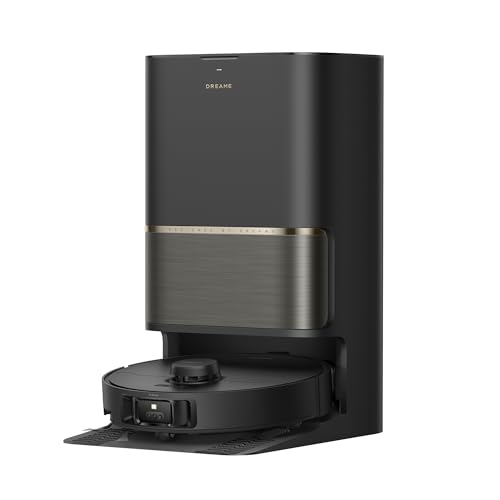
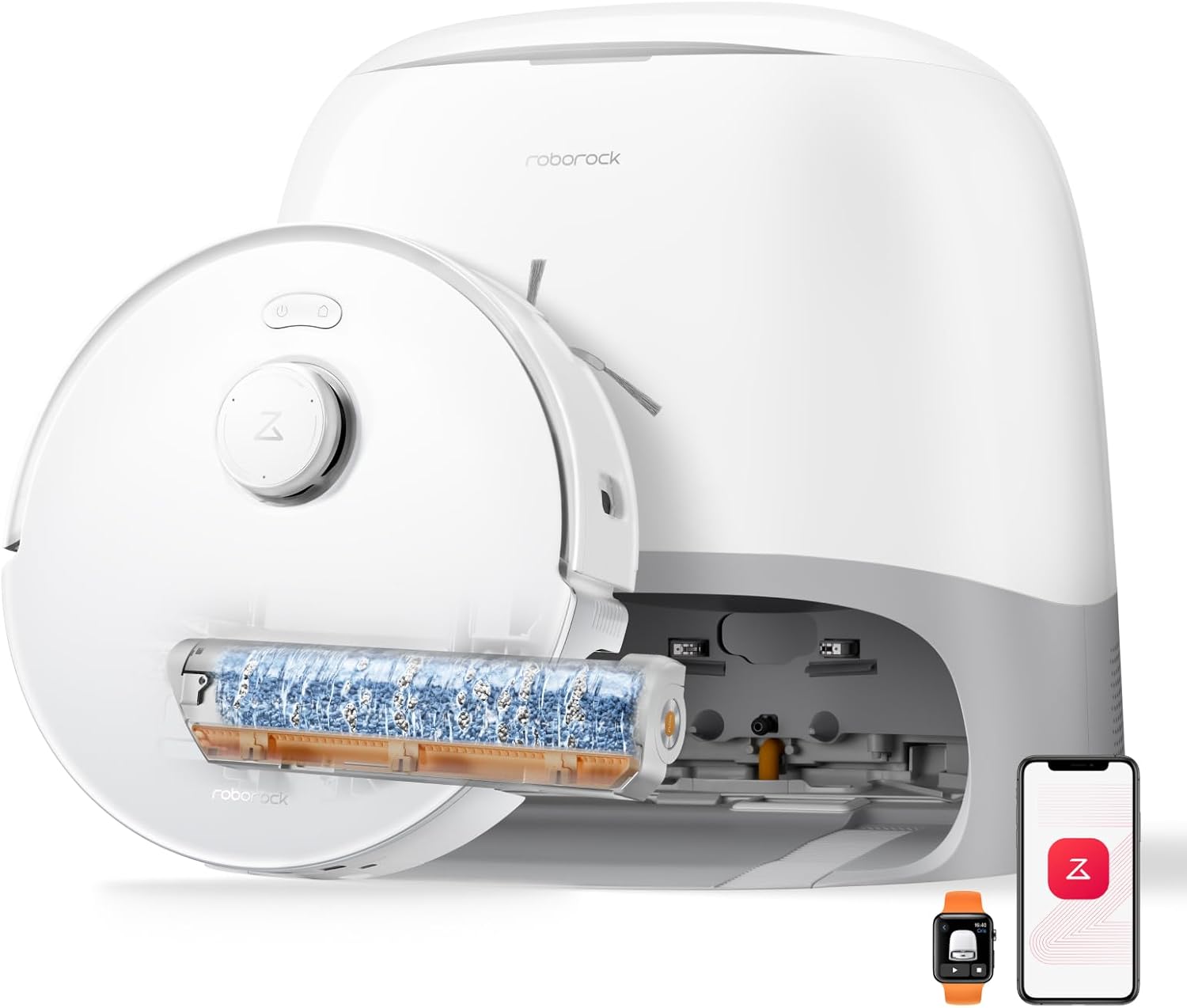
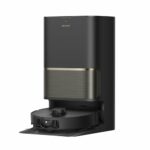
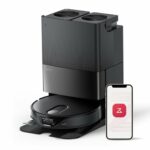
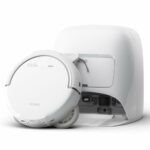
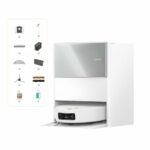
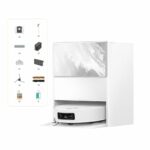
The Dreame L50s Pro Ultra and the Roborock Qrevo Curv 2 Flow represent two of the most advanced robot vacuum cleaners launching in 2026. These aren't entry-level models; we're looking at premium equipment designed for users who want comprehensive cleaning without lifting a finger. The Dreame comes from a brand that's been pushing aggressive specs at competitive prices, whilst Roborock maintains its position as the world's leading manufacturer in this category, known for reliability and excellent app integration.
Both models feature multifunction bases that handle the complete cleaning cycle: they empty dust, wash mops and dry them afterwards. This matters because it's the difference between occasional maintenance and truly autonomous operation. For larger homes with mixed flooring, or households with pets, these specifications become essential rather than luxury additions.
Power and Suction
The suction power gap here is substantial. The Dreame L50s Pro Ultra generates 30,000 Pa, which positions it amongst the most powerful domestic robots available. The Roborock Qrevo Curv 2 Flow delivers 20,000 Pa—still strong, but noticeably less aggressive. In practical terms, this difference becomes apparent on carpets and rugs, where embedded debris and pet hair require serious extraction force.
Brush technology takes different approaches. Dreame equips its dual HyperStream brush system, which uses two brushes anchored at one end to actively prevent hair tangles. Roborock counters with the DuoDivide design, pushing hair towards the central suction gap rather than wrapping around bristles. Both systems work well, though the DuoDivide has proven itself across multiple Roborock generations.
The side brush comparison reveals an interesting advantage for the Dreame: it extends outwards to reach into corners more effectively. The Roborock uses a dual anti-tangle side brush but without extension. For homes with furniture close to walls or complex floor plans, that extendable reach makes a tangible difference. Both models can lift their side brushes during mopping, preventing contamination.
Mopping Performance
The mopping systems differ fundamentally in design. Dreame uses two rotating circular mops with extension and RoboSwing movement—a hip-swaying motion that pushes mops slightly under furniture edges and skirting boards. Roborock opts for a 270 mm roller system that also extends to reach edges. The roller approach tends to maintain more consistent floor contact, whilst dual pads can apply targeted pressure.
Mop lifting capabilities favour the Roborock significantly. Its 15 mm elevation combined with the curved chassis design allows it to transition onto medium-pile rugs without dragging wet mops across them. The Dreame lifts 10.5 mm, which handles low-pile carpets and transitions but won't clear thicker floor coverings as reliably.
A clever feature exclusive to the Dreame: automatic mop removal at the base. When you only need vacuuming, the robot detaches its mops entirely rather than just lifting them. This prevents any moisture transfer and reduces drag, improving efficiency for vacuum-only sessions. The Roborock keeps its roller attached throughout.
Both bases wash mops with hot water and dry them using heated air, eliminating the bacterial growth and odours that plague cold-wash systems. They also detect mop cleanliness and floor soiling, adjusting their cleaning patterns accordingly. This intelligence ensures they're not just spreading dirt around.
Navigation System
Navigation hardware is remarkably similar. Both employ LiDAR towers for room mapping and 3D laser sensors at the front for obstacle avoidance. Both include AI cameras—though the Dreame specifies dual cameras—and LED lighting for low-light operation. Remote camera access works on both, letting you check on pets or home security through the app.
The Dreame's object recognition database covers 220 items versus 200 on the Roborock. More significantly, the Dreame specifically detects curtains, preventing the robot from getting tangled in drapes or long fabric. This might seem minor until you've watched a robot wrestle with bedroom curtains at 3 am.
AI cleaning strategies differ in branding but achieve similar goals. Dreame's CleanGenius AI and Roborock's SmartPlan 3.0 both analyse room types, dirt levels and previous cleaning data to optimise routes and suction power. In practice, both systems learn your home's layout and adapt their behaviour over time.
Battery and Autonomy
Both robots pack identical 5,200 mAh batteries. The Roborock specifies 242 minutes of runtime, which translates to roughly four hours of continuous operation. The Dreame doesn't provide runtime figures in available specifications, though the matching battery capacity suggests comparable endurance. For most homes under 200 square metres, either will complete full cleaning cycles without recharging mid-session.
Smart Features
Obstacle climbing reveals another difference. The Roborock clearly manages 20 mm steps, whilst the Dreame mentions "simple step climbing" without specific height data. For homes with raised door thresholds or sunken living rooms, that 20 mm capability matters considerably. Both models include their own voice assistants plus compatibility with Alexa and Google Home for integration into existing smart home ecosystems.
Multifunction Base Station
The Dreame base offers larger capacity across the board: 3.2-litre dust bag versus 2.7 litres, 4.5-litre clean water tank versus 4 litres, and 4-litre dirty water versus 3.5 litres. These differences add up to fewer maintenance interruptions, particularly in larger homes or those with heavy soiling.
Only the Dreame includes a detergent dispenser built into the base. It automatically doses cleaning solution during mop washing, enhancing hygiene and cleaning effectiveness without manual intervention. The Roborock requires plain water only, though this simplifies refilling.
The Dreame advertises third-generation automatic tray cleaning—the base washes its own internal components after mop cleaning cycles. The Roborock also includes automatic tray cleaning without generation specification. Both prevent the base itself from becoming a source of odours or bacteria.
Dreame offers an optional plumbing connection kit purchased separately, allowing permanent water supply and drainage connections. The Roborock doesn't provide this option. Whilst convenient for those willing to install it, the optional kit shouldn't heavily influence purchase decisions since it requires additional investment and installation work.
Dimensions
Height differences are dramatic. The Dreame measures just 103.8 mm tall, making it one of the slimmest robots in this performance class. The Roborock stands at 119 mm—over 15 mm taller. For homes with low-clearance furniture, sofas or bed frames, that difference determines whether the robot can clean underneath or must navigate around obstacles. Diameter measurements are virtually identical at 350 mm and 353 mm respectively.
Base station dimensions favour the Dreame for compact installations: 340 mm wide by 590 mm tall by 457 mm deep. The Roborock base forms a more cubic 450 mm in all dimensions. The Dreame's footprint suits tighter spaces like utility cupboards or bathroom corners, whilst the Roborock's cube shape may integrate more naturally into open kitchen areas.
Real-World Usage
For large homes exceeding 150 square metres, the Dreame's larger tank capacities and higher suction power provide practical advantages. The 30,000 Pa suction cuts through embedded dirt more aggressively, reducing the need for repeat passes. The extra water capacity means fewer refill interruptions during extended cleaning sessions.
Pet owners face a choice between brush technologies. The Dreame's HyperStream system and the Roborock's DuoDivide both handle hair effectively, but the Dreame's significantly higher suction provides extra insurance when dealing with shedding seasons. The automatic mop removal on the Dreame also prevents cross-contamination between pet areas and living spaces.
Homes with varied flooring—hard floors, low rugs and medium-pile carpets—benefit from the Roborock's superior 15 mm mop lift. It transitions more confidently onto thicker floor coverings without wetting them. The Dreame handles hard floors and low-pile situations excellently but requires more careful zone configuration around thicker rugs.
The Dreame's low 103.8 mm profile becomes essential in homes with modern low-clearance furniture. Many contemporary sofas and beds sit 110-120 mm off the floor, creating dead zones the taller Roborock simply cannot access. If you've measured your furniture and found tight clearances, the Dreame's slimmer build isn't just convenient—it's necessary.
Conclusion: Which Should You Choose?
Choose the Dreame L50s Pro Ultra if: you prioritise raw suction power and have larger spaces requiring aggressive cleaning. The 30,000 Pa suction, bigger tank capacities and integrated detergent dispenser suit homes over 120 square metres, particularly with pets. The automatic mop removal feature benefits households that frequently switch between mopping and vacuuming-only modes. Most importantly, if you have low-clearance furniture under 110 mm, the slim 103.8 mm height makes this the only viable option. The extendable side brush and curtain detection add useful refinements for complex floor plans.
Choose the Roborock Qrevo Curv 2 Flow if: you need superior carpet handling and value proven reliability. The 15 mm mop lift with curved design confidently manages medium-pile rugs that would challenge the Dreame. Roborock's reputation for dependable hardware and excellent app support matters for users who want minimal troubleshooting. The specified 242-minute runtime provides reassurance for very large homes. If your furniture clearances exceed 120 mm and you don't require extreme suction power, the Roborock delivers comprehensive cleaning with the backing of the market-leading manufacturer.
For most users, the decision hinges on furniture clearance and carpet thickness. Measure your lowest sofa or bed frame: below 110 mm demands the Dreame; above 120 mm opens both options. From there, consider whether you value ultimate suction power and capacity (Dreame) or superior rug handling and brand reliability (Roborock).