✨ VS Analyses · VacuumSpain comparison technology. Explanation created with AI from verified technical data.
Introduction
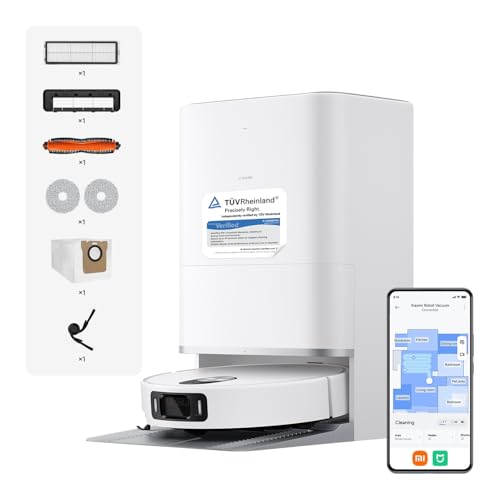
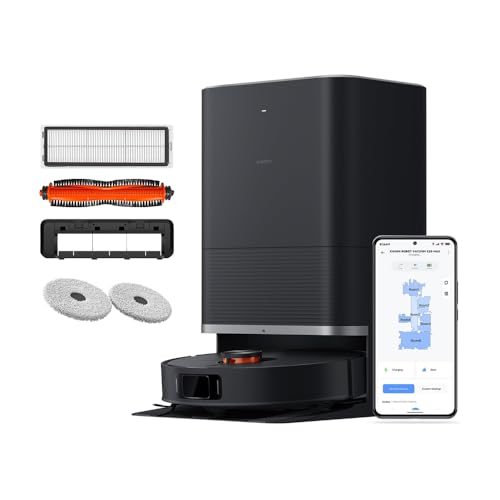
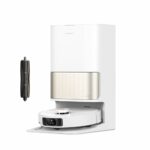
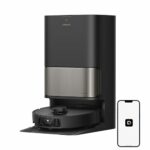
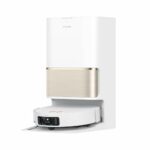
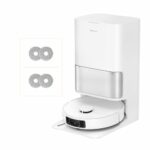
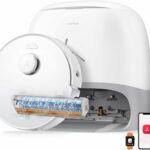
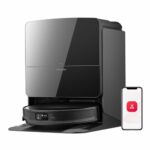
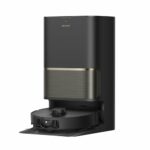
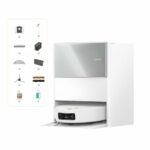
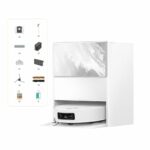
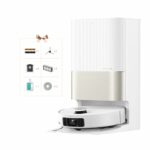
The Xiaomi Robot Vacuum 5 Pro represents the brand's latest advancement in 2025, whilst the Xiaomi X20 Max arrived on the market in 2024. Both models share the same manufacturer and maintain certain core features, but the newer 5 Pro brings significant upgrades that position it as a more capable machine. These are premium robot vacuum cleaners equipped with multifunctional bases that handle both mopping and vacuuming tasks automatically.
The 5 Pro is clearly aimed at users seeking cutting-edge technology with enhanced cleaning intelligence, particularly those who want minimal intervention. The X20 Max remains a solid option for households needing reliable automated cleaning without the absolute latest features. Both can manage homes with various floor types and obstacles up to 20mm high.
Power and Suction
The suction power gap between these models is substantial. The Xiaomi Robot Vacuum 5 Pro delivers 20,000 Pa, which more than doubles the 8,000 Pa offered by the X20 Max. This difference becomes particularly noticeable on carpets and when dealing with embedded dirt or pet hair.
Both models feature the TriCut 3.0 main brush, which combines bristles with cutting blades to reduce hair tangles. However, the 5 Pro can lift this brush during mopping, preventing wet contact with carpets and ensuring the brush doesn't interfere with the mopping process. The X20 Max lacks this elevating function.
The side brush configuration differs significantly. The 5 Pro includes an extensible side brush that reaches into corners more effectively, plus it features anti-tangle technology to prevent hair build-up. The X20 Max has a standard side brush without these enhancements. Neither model lifts the side brush during mopping.
Mopping
Both robots use dual rotating mops with edge extension capabilities, allowing them to reach right up to skirting boards. The mop elevation differs though: 15mm on the 5 Pro versus 10mm on the X20 Max. That extra 5mm can make a difference when transitioning onto thicker rugs or carpets.
The multifunctional bases on both models wash the mops with hot water and dry them using warm air, which helps prevent odours and bacterial growth. Neither model can detach the mops automatically at the base for vacuum-only sessions.
Where the 5 Pro pulls ahead is dirt detection. It can identify soiling on both the mops themselves and on the floor surface, adjusting cleaning intensity accordingly. The X20 Max doesn't include this capability, so it maintains consistent mopping patterns regardless of actual floor condition. In practice, this means the newer model can re-clean heavily soiled areas automatically whilst the older version requires manual intervention.
Navigation System
The Xiaomi Robot Vacuum 5 Pro uses retractable LiDAR, which lowers the navigation turret to reduce the robot's overall height to just 88mm. The X20 Max employs a traditional raised LiDAR turret, resulting in a 97mm height. That 9mm difference allows the 5 Pro to access spaces under lower furniture.
AI capabilities differ markedly. The 5 Pro incorporates a camera that enables it to recognise up to 200 different obstacle types, whilst the X20 Max's obstacle count isn't specified. The newer model also permits remote camera access, letting you view your home through the robot's lens. The X20 Max doesn't include a camera at all, relying instead on 3D laser sensors for obstacle detection.
Both models feature LED lighting for navigation in darker conditions and include AI-powered intelligent cleaning. The 5 Pro adds AI-based stain recognition, allowing it to identify and focus on specific marks on the floor. This functionality isn't present on the X20 Max.
Battery and Autonomy
Battery capacity matches at 5,200 mAh across both models. The Xiaomi Robot Vacuum 5 Pro achieves 140 minutes of runtime, extending 20 minutes beyond the X20 Max's 120-minute capability. This additional autonomy can prove useful in larger homes or when performing thorough cleaning cycles that combine vacuuming and mopping.
Both robots can overcome obstacles up to 20mm high, managing typical door thresholds and rug edges without difficulty.
Smart Functions
Neither model includes a robotic arm or proprietary voice assistant. Both support external voice assistants like Alexa and Google Home for hands-free control.
The intelligence gap appears in the AI implementation. The 5 Pro's camera-based recognition system and dirt detection sensors create a more adaptive cleaning experience. The robot can identify specific mess types and adjust its approach, whilst the X20 Max follows more standardised cleaning patterns.
Multifunctional Cleaning Base
Both bases provide automatic dust emptying into 2.5-litre bags, hot water mop washing, and warm air mop drying. Water tank capacities match: 4 litres for clean water and 3.8 litres for dirty water.
The crucial difference lies in the washing tray. The 5 Pro automatically cleans its own washing tray, maintaining hygiene without manual intervention. The X20 Max requires you to clean this component yourself periodically. Neither base includes UV disinfection, detergent dispensers, or plumbing connection options (integrated or via optional kit).
Dimensions
The Xiaomi Robot Vacuum 5 Pro measures 88mm tall with a 350mm diameter. The X20 Max shares the same diameter but stands 97mm high. For homes with low-clearance furniture, those 9mm matter considerably.
Base dimensions vary slightly. The 5 Pro's base measures 360mm wide, 572mm tall, and 470mm deep. The X20 Max base is 340mm wide, 563mm tall, and 420mm deep. The newer model's base occupies marginally more floor space, though the difference is minimal in practical terms.
Real-World Usage Experience
For larger homes, the 5 Pro's extended battery life and superior suction make it better equipped to handle extensive cleaning sessions. The enhanced autonomy means fewer interruptions for recharging during whole-home cleaning cycles.
Households with pets benefit significantly from the 5 Pro's anti-tangle side brush and substantially higher suction power. The 20,000 Pa rating tackles embedded pet hair more effectively than the X20 Max's 8,000 Pa. The TriCut 3.0 brush helps on both models, but the extra suction makes a tangible difference.
The retractable LiDAR on the 5 Pro suits homes with low furniture. If you've got beds, sofas, or cabinets with limited clearance, the 88mm height opens up cleaning areas the 97mm X20 Max simply can't reach. This can be the deciding factor in certain room layouts.
Maintenance convenience favours the 5 Pro thanks to automatic washing tray cleaning. The X20 Max requires periodic manual cleaning of this component, adding a maintenance task that the newer model eliminates entirely. Both models handle the mop washing and drying automatically, but only the 5 Pro keeps the washing mechanism itself clean.
Conclusion: Which One to Choose?
Choose the Xiaomi Robot Vacuum 5 Pro if: you want the most advanced cleaning intelligence available from Xiaomi, particularly the dirt detection and AI stain recognition. It's the better choice for homes with low-clearance furniture thanks to the retractable LiDAR. If you have pets, the combination of 20,000 Pa suction and anti-tangle side brush makes this the stronger option. Remote camera access appeals to those who want to monitor their home whilst the robot works. The automatic washing tray cleaning reduces maintenance demands.
Choose the Xiaomi X20 Max if: you're looking for capable automated cleaning at what will likely be a lower price point given it's the 2024 model. It delivers solid performance with hot water mop washing and warm air drying, though without the latest AI enhancements. Homes without extremely low furniture won't miss the retractable LiDAR. If your floors don't face particularly heavy soiling and you don't mind occasional manual cleaning of the washing tray, the X20 Max handles routine maintenance reliably. It's a sensible choice for those who don't need cutting-edge features but want quality automated cleaning from an established brand.