✨ VS Analyses · VacuumSpain comparison technology. Explanation created with AI from verified technical data.
Introduction
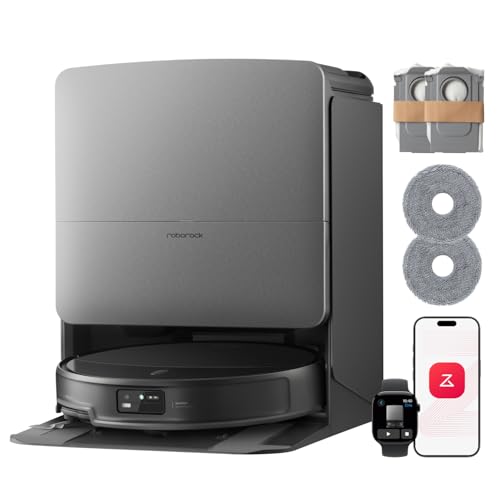
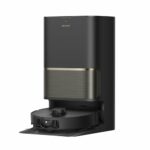
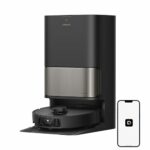
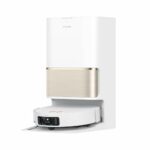
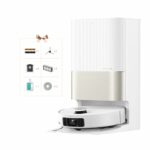
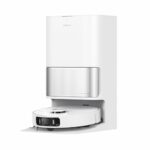
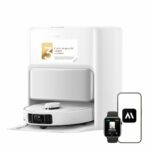
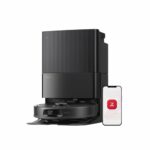
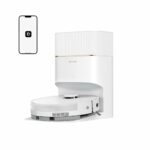
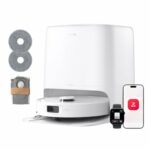
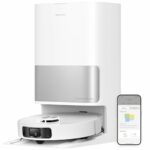
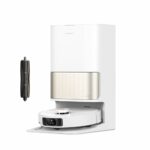
The Dreame L10s Ultra Gen 2 and Roborock Saros 20 represent two distinct approaches to automated home cleaning, separated not just by brand philosophy but by a significant technological gap. The Dreame model arrived in 2024 as a capable mid-to-high range option, whilst the Roborock Saros 20 launched in February 2026 with considerably more advanced specifications. Both feature multifunction bases that handle emptying, mop washing, and drying, making them suitable for users who want minimal intervention in their cleaning routine.
The Saros 20 positions itself as a flagship device with cutting-edge navigation and suction power that dwarfs its predecessor technologies. The L10s Ultra Gen 2, meanwhile, offers a more accessible entry point into premium robot vacuum territory without sacrificing essential features. Understanding which suits your home depends largely on floor types, layout complexity, and whether you have pets or low-clearance furniture.
Power and Suction
The difference in suction power is staggering. The Dreame L10s Ultra Gen 2 delivers 10,000 Pa, which handles everyday dust, crumbs, and pet hair on hard floors and low-pile rugs without issue. The Roborock Saros 20, however, reaches 36,000 Pa – more than triple the force. In practice, this translates to superior performance on thick carpets, deeper cleaning of grouted tiles, and more effective pickup of embedded debris.
The main brush systems differ fundamentally. The L10s Ultra Gen 2 uses a simple brush design, whilst the Saros 20 features the DuoDivide anti-tangle system. This dual-brush configuration channels hair towards the centre suction point, drastically reducing the maintenance burden for households with long-haired occupants or shedding pets.
Neither model lifts its main brush during mopping on the Dreame, but the Roborock does. This prevents the brush from getting wet unnecessarily and protects delicate hard floors from potential scratching when mopping mode is active. The side brush situation mirrors this: the Saros 20 can elevate and extend its side brush, plus it features anti-tangle properties. The Dreame's side brush remains fixed. For edge cleaning and corner coverage, the Roborock clearly has the advantage, especially in homes with complex floor plans.
Mopping
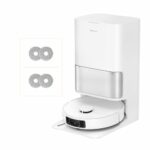
Both models use dual rotating mops, but execution varies significantly. The Dreame L10s Ultra Gen 2 extends its mops using the RoboSwing movement system, which involves a subtle swaying motion to reach edges and slightly under furniture lips. The Roborock Saros 20 also extends its mops but does so without the specific RoboSwing technique – it simply extends them outward for better edge coverage.
Mop lift height matters when transitioning between hard floors and carpets. The L10s Ultra Gen 2 raises its mops 10.5 mm, enough to avoid dampening most low-pile rugs. The Saros 20 lifts between 12 mm and 22 mm depending on the situation, providing greater clearance for thicker carpets and reducing the risk of moisture transfer.
Water temperature during floor mopping is another differentiator. The Dreame uses cold water, which is adequate for routine cleaning. The Roborock employs warm water, which helps dissolve grease and sticky residues more effectively – particularly useful in kitchens or homes with young children.
The Saros 20 can automatically remove its mops at the base when switching to vacuum-only mode. This means it won't drag dirty mops across carpeted areas. The Dreame lacks this feature, so mops remain attached throughout the entire cleaning cycle unless manually removed. Dirt detection adds another layer of intelligence to the Roborock: sensors identify heavily soiled areas on both the floor and the mops themselves, triggering additional passes or mop washes as needed. The L10s Ultra Gen 2 doesn't offer this capability.
Navigation System
The Dreame L10s Ultra Gen 2 relies on a 3D LiDAR turret combined with frontal 3D laser sensors for obstacle avoidance. It recognises pets and navigates around common household items, though the exact number of identifiable objects isn't specified. There's no camera system, which limits its ability to distinguish between similar-looking obstacles or provide remote monitoring.
The Roborock Saros 20 uses the StarSight 2.0 navigation system, which integrates dual AI cameras with 3D laser sensors. This setup recognises up to 300 different obstacle types, including curtains – a detail that prevents the robot from getting tangled in hanging fabrics. The dual cameras enable remote access, so you can check on your home through the robot's perspective via the app. LED night vision ensures the cameras function even in low-light conditions, making the Saros 20 a dual-purpose device: cleaner and home monitor.
Both models feature AI-driven cleaning intelligence. The Dreame uses CleanGenius, whilst the Roborock employs SmartPlan 3.0. These systems learn room layouts, suggest cleaning schedules, and optimise routes. The Saros 20 goes further with AI-based stain recognition, automatically adjusting suction and mopping intensity when it detects spills or concentrated dirt.
Battery and Autonomy
Battery capacity differs notably: 5,200 mAh in the L10s Ultra Gen 2 versus 6,400 mAh in the Saros 20. The Dreame provides up to 240 minutes of runtime, which covers approximately 200–250 square metres depending on floor type and cleaning mode. Autonomy data for the Roborock isn't available, but the larger battery suggests extended operation, especially useful in larger homes where the robot needs to complete multiple rooms without recharging mid-cycle.
Smart Features
Obstacle climbing capability is similar but not identical. The L10s Ultra Gen 2 manages 20 mm thresholds, suitable for standard door strips and minor floor transitions. The Roborock Saros 20 handles single-step obstacles, which implies a comparable or slightly superior ability to navigate uneven surfaces.
The Saros 20 includes its own voice assistant, allowing you to issue commands directly to the robot without relying on external smart home ecosystems. The Dreame doesn't have this feature but does support Alexa and Google Home integration, as does the Roborock. For users who prefer conversing with their devices or issuing quick commands without reaching for a phone, the built-in assistant adds convenience.
Multifunction Base
Both bases handle automatic dustbin emptying, mop washing, and mop drying with warm air. The key differences lie in water temperature and self-maintenance. The Dreame L10s Ultra Gen 2 washes mops with cold water, whilst the Roborock Saros 20 uses hot water, which sanitises more effectively and removes stubborn grime. The Saros 20 also cleans its own wash tray with hot water, preventing bacterial buildup and odours over time. The Dreame base doesn't self-clean its tray, so manual rinsing becomes necessary every few weeks.
Dust bag capacity is larger in the Dreame: 3.2 litres versus 2.5 litres. This means fewer bag changes, though the difference is modest. Clean water tanks are similarly sized – 4.5 litres for the Dreame, 4 litres for the Roborock. Dirty water capacity is 4 litres and 3 litres respectively. Both include detergent dispensers for automated cleaning solution mixing.
The Dreame offers an optional plumbing connection kit, purchased separately, which allows the base to refill and drain automatically. The Roborock doesn't offer this accessory. Whilst convenient for those who want truly hands-off operation, the kit's separate purchase and installation requirements mean it's not a deciding factor for most users.
Dimensions
The Roborock Saros 20 measures 79.8 mm in height, making it one of the slimmest robots in its class. The Dreame L10s Ultra Gen 2 stands at 97 mm. That 17 mm difference is significant when navigating under sofas, beds, or kitchen cabinets. If your furniture has limited clearance, the Saros 20 accesses spaces the Dreame cannot.
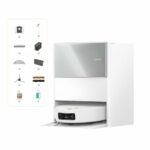
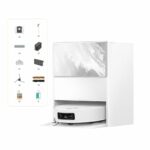
Diameter is nearly identical: 350 mm for the Dreame, 353 mm for the Roborock. Base dimensions vary more. The Dreame base is narrower (340 mm wide) but taller (590.5 mm) and slightly less deep (456.7 mm). The Roborock base is wider (381 mm), shorter (488 mm), and deeper (475 mm). Depending on your available floor space and whether the base sits under a counter or in a corner, one footprint may suit better than the other.
Real-World Use
For homes with pets, the Roborock Saros 20 has a clear edge. The DuoDivide anti-tangle brush, combined with vastly superior suction, handles shedding season more effectively. The Dreame performs adequately but requires more frequent brush maintenance.
In larger properties, the Roborock's bigger battery and higher suction efficiency allow it to cover more ground per charge. The Dreame's 240-minute autonomy is respectable, but the Saros 20 likely outperforms it in multi-level homes or open-plan layouts exceeding 200 square metres.
For homes with low furniture, the Saros 20's 79.8 mm profile is invaluable. It cleans under beds, sofas, and cabinets that the L10s Ultra Gen 2 simply cannot reach. This can be the difference between a thoroughly cleaned home and persistent dust bunnies in hidden spots.
Mopping performance favours the Roborock due to warm water, dirt detection, and automatic mop removal. If you have young children, cook frequently, or deal with sticky spills, these features translate to noticeably cleaner floors with less manual intervention. The Dreame still mops well, but without the same level of automation or cleaning intensity.
Remote monitoring via the Saros 20's cameras appeals to those who travel frequently or want to check on pets during the day. The LED night vision ensures functionality around the clock. The Dreame lacks this capability entirely.
Conclusion: Which One to Choose?
Choose the Dreame L10s Ultra Gen 2 if: you want a capable robot with a multifunction base at a more accessible price point. It suits medium-sized homes (up to 200 square metres), handles routine cleaning and mopping effectively, and offers a larger dust bag and clean water tank. The optional plumbing kit, though sold separately, provides a path to full automation if desired. It's a solid choice for users without extreme pet hair challenges or very low furniture.
Choose the Roborock Saros 20 if: you need top-tier performance and cutting-edge features. The 36,000 Pa suction, dual AI cameras, warm water mopping, and 79.8 mm height make it ideal for large homes, heavy pet shedding, low-clearance furniture, and users who value remote monitoring. The anti-tangle brush system and automatic mop removal reduce maintenance significantly. The built-in voice assistant and dirt detection add convenience for those who want the most intelligent cleaning experience available. It's the better choice for demanding environments and users willing to invest in the latest technology.