✨ VS Analyze · VacuumSpain comparison technology. AI-generated explanation based on verified technical data.
Introduction
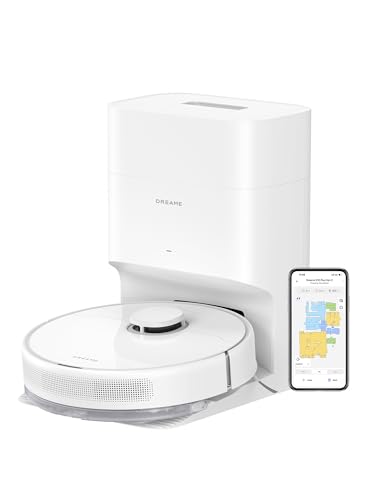
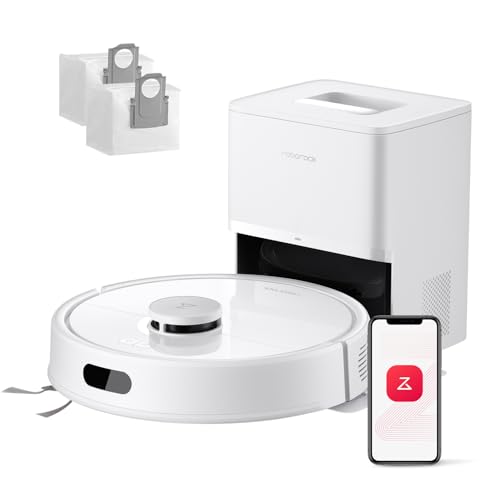
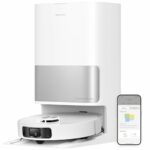
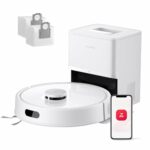
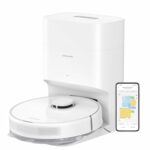
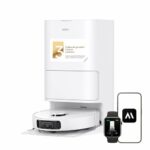
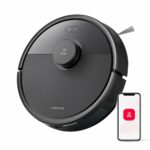
The Dreame D10 Plus Gen 2 and the Roborock Q7 L5+ o BF+ Plus represent two distinct approaches to automated home cleaning. The Dreame model, launched in 2024, positions itself as a mid-range solution with self-emptying capabilities, whilst the Roborock option arrives in 2025 with enhanced suction power and the brand's renowned reliability. Both robots feature LiDAR navigation and self-emptying bases, making them suitable for users seeking hands-off maintenance across medium to large homes.
These models share a similar design philosophy—static mopping systems paired with efficient vacuuming—but differ in their technical specifications and practical execution. The Dreame leans towards extended battery life, whilst Roborock focuses on raw cleaning power.
Suction Power and Brushing
The Roborock Q7 L5+ o BF+ Plus delivers 8,000 Pa of suction, a considerable advantage over the Dreame D10 Plus Gen 2's 6,000 Pa. In practical terms, this translates to better performance on carpets and more effective pickup of embedded dirt and pet hair. The difference becomes especially noticeable when tackling stubborn debris or working across textured surfaces.
Both models use traditional bristle brushes rather than anti-tangle designs. This means households with long hair or pets may need to perform manual maintenance more frequently, cutting away tangled fibres from the main roller. Neither robot offers brush elevation during mopping, nor do they feature extendable or elevating side brushes for enhanced edge cleaning.
The Roborock's higher suction compensates somewhat for the lack of advanced brush features, pulling more debris into the system through sheer airflow. The Dreame relies on its larger dust bin capacity—400 ml compared to 200 ml—to extend cleaning sessions before requiring emptying.
Mopping System
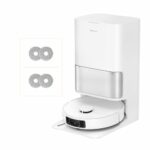
Both robots employ static mopping pads, the most basic approach to wet cleaning. Neither model offers mop extension for better edge coverage, elevation to protect carpets, or automatic mop removal at the base. Mopping happens with cold water only, and there's no detection system to identify particularly dirty areas requiring extra attention.
The Roborock Q7 L5+ o BF+ Plus carries a larger water reservoir at 280 ml versus the Dreame's 150 ml. This allows for more extensive mopping coverage before refilling becomes necessary, though neither robot returns to the base for mop washing during cleaning cycles.
Without mop washing or drying capabilities at the base, both models require manual mop maintenance. Users need to remove, rinse, and dry the pads themselves to prevent odours and bacterial growth. This limits the hands-free appeal compared to robots with full multifunctional bases.
Navigation System
Both models navigate using 3D LiDAR turrets, creating accurate floor plans and efficient cleaning paths. The technology allows them to work effectively in low light conditions and maintain consistent navigation across multiple rooms.
Neither robot incorporates AI cameras, 3D laser sensors for obstacle avoidance, or object recognition capabilities. They won't identify and avoid specific items like pet waste, cables, or shoes. There's no remote camera access, LED lighting for night vision, or intelligent dirt detection through visual analysis.
The navigation remains reliable but straightforward—mapping spaces accurately without the advanced obstacle intelligence found in premium models. Both support external voice assistants like Alexa and Google Home for basic voice control.
Battery Life and Coverage
The Dreame D10 Plus Gen 2 stands out with its 5,200 mAh battery, delivering 285 minutes of runtime. This substantial capacity makes it particularly well-suited for larger homes or thorough cleaning sessions without interruption. The Roborock Q7 L5+ o BF+ Plus uses a smaller 3,200 mAh battery, though specific runtime figures aren't available for comparison.
In practice, the Dreame's extended autonomy means fewer charging breaks during whole-home cleaning, especially beneficial in properties exceeding 150 square metres. The Roborock's higher suction may complete cleaning faster despite shorter battery life, though this depends heavily on floor type and debris levels.
Both robots can climb obstacles up to 20 mm, handling standard door thresholds and low-pile carpet transitions without difficulty.
Smart Features
Neither model includes a robotic arm, proprietary voice assistant, or advanced AI-driven cleaning strategies. The 20 mm obstacle-climbing capability matches between both, allowing them to navigate typical household barriers like thick rugs or raised doorways.
Integration with Alexa and Google Home provides basic voice commands for starting, stopping, or returning to base, but doesn't extend to advanced features like room-specific cleaning requests or detailed status updates.
Self-Emptying Base
Both robots feature self-emptying bases that transfer collected debris into disposable bags, reducing hands-on maintenance. The Dreame D10 Plus Gen 2's base holds a 4-litre dust bag, whilst the Roborock Q7 L5+ o BF+ Plus uses a 2.7-litre capacity.
The larger bag in the Dreame base means less frequent replacements—potentially extending to several weeks or even months depending on household conditions. The Roborock's smaller bag will require more regular attention, particularly in homes with pets or high foot traffic.
Neither base washes or dries mops, includes detergent dispensers, UV disinfection, or offers plumbing connection options. The bases focus purely on dust collection, leaving all mopping maintenance to the user.
Physical Dimensions
The Roborock Q7 L5+ o BF+ Plus measures 325 mm in diameter and 99 mm tall, making it slightly more compact than the Dreame D10 Plus Gen 2 at 350 mm diameter and 96.3 mm height. The Roborock's smaller footprint helps it navigate tighter spaces between furniture legs, whilst the Dreame's lower profile—just 3 mm shorter—offers marginally better access under low-clearance furniture.
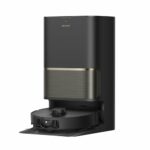
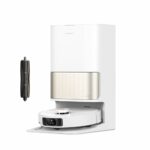
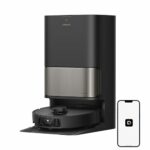
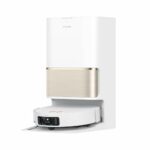
Base dimensions differ dramatically. The Dreame base measures 298 mm wide, 427 mm tall, and 406 mm deep—a substantial footprint requiring dedicated floor space. The Roborock base is considerably more compact at 212 mm wide, 259 mm tall, and 178 mm deep, making it easier to tuck into corners or smaller utility areas.
For homes with limited space, the Roborock's smaller base presents a clear advantage. The Dreame's larger base houses the bigger dust bag but demands more room in return.
Real-World Performance
The Dreame D10 Plus Gen 2 suits larger properties where extended battery life matters most. The 285-minute runtime and 400 ml dust bin allow it to tackle expansive floor plans in single sessions. The 4-litre base bag reduces maintenance frequency, appealing to users wanting maximum hands-off operation between bag changes.
The Roborock Q7 L5+ o BF+ Plus excels where cleaning power takes priority. The 8,000 Pa suction handles carpets and embedded dirt more effectively, making it the better choice for homes with thick rugs or persistent debris. The larger water tank supports more extensive mopping despite the smaller dust capacity.
Households with pets should consider the Roborock's superior suction for better hair pickup, though both models require manual brush maintenance due to the lack of anti-tangle designs. Neither robot offers automated mop care, so frequent mopping means regular manual cleaning of the pads regardless of model choice.
The Roborock's compact base fits better in flats or homes with limited storage, whilst the Dreame's larger base suits utility rooms or dedicated storage areas where space isn't constrained.
Conclusion: Which to Choose?
Choose the Dreame D10 Plus Gen 2 if: you have a larger home requiring extended cleaning sessions without recharging, prefer less frequent dust bag replacements thanks to the 4-litre capacity, and have adequate space for the larger base. The 285-minute runtime and bigger dust bin make it ideal for thorough whole-home cleaning in properties over 150 square metres.
Choose the Roborock Q7 L5+ o BF+ Plus if: cleaning power matters more than battery endurance, you need a compact base that fits into smaller spaces, or you're dealing with carpets and embedded dirt requiring stronger suction. The 8,000 Pa performance and brand reputation for reliability make it the better choice for intensive cleaning tasks, particularly in homes with pets or high-traffic areas. The larger water tank also benefits those prioritising mopping coverage.