✨ VS Analyses · VacuumSpain comparison technology. Explanation created with AI from verified technical data.
Introduction
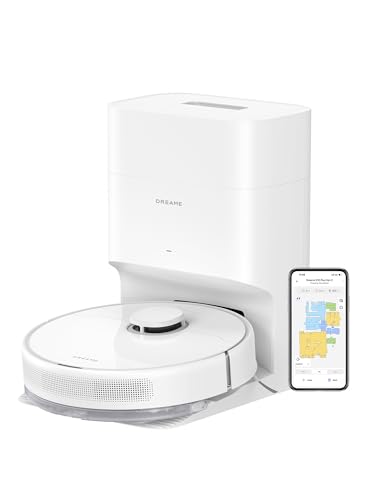
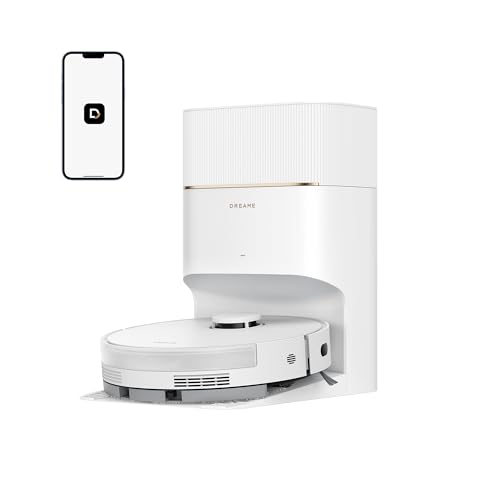
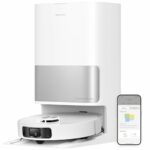
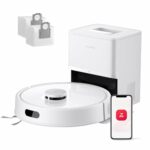
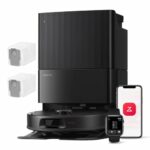
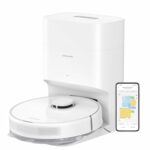
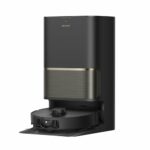
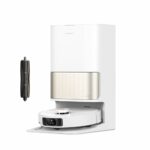
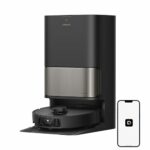
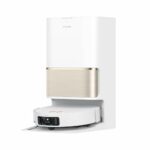
The Dreame D10 Plus Gen 2 and the Dreame D20 Pro Plus represent two distinct approaches within Dreame's robot vacuum lineup. The D10 Plus Gen 2 arrived in 2024 as a solid mid-range option with self-emptying capabilities, whilst the D20 Pro Plus launched in 2025 with notable upgrades in suction power and obstacle detection. Both models share the same 5,200 mAh battery capacity and 285 minutes of runtime, making them suitable for medium to large homes. The key differences lie in their cleaning power, brush systems, and navigation intelligence, which will determine which model fits your household needs best.
Power and Suction
The difference in suction power between these two models is substantial. The D10 Plus Gen 2 delivers 6,000 Pa, which handles everyday dust and debris without issue. The D20 Pro Plus more than doubles that figure with 13,000 Pa, placing it firmly in high-performance territory. This extra power becomes particularly relevant if you're dealing with deep-pile carpets, pet hair embedded in rugs, or households where debris accumulates quickly.
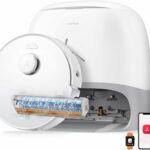
Where the D20 Pro Plus really pulls ahead is in its brush configuration. It features a dual HyperStream anti-tangle main brush system, designed with two brushes anchored at one end to minimise hair wrap. The D10 Plus Gen 2 uses a simpler single brush design without specific anti-tangle features, meaning you'll likely spend more time maintaining it if you have long hair or pets in the home.
The side brush setup also differs. The D20 Pro Plus includes an extendable side brush with anti-tangle technology, allowing it to reach further into corners and edges whilst reducing hair accumulation. The D10 Plus Gen 2 has a standard fixed side brush without these enhancements. Neither model offers side brush elevation during mopping or main brush lift, so both will mop with brushes in contact with the floor.
Mopping
Both robots use a static mop system with cold water for floor cleaning. There's no mop extension for edge cleaning, no elevation system, and neither can detach mops automatically at the base when you want to vacuum only. The mopping experience is fairly basic across both models.
Neither robot includes dirt detection on mops or floors, meaning they won't automatically re-clean particularly soiled areas. The water tank on the D20 Pro Plus is significantly larger at 350 ml compared to 150 ml on the D10 Plus Gen 2, which translates to longer mopping sessions before needing a refill. This matters if you have larger hard floor areas to cover in one go.
Navigation System
Both models navigate using a 360-degree LiDAR turret, which provides accurate room mapping and efficient cleaning paths. The critical difference lies in obstacle detection. The D10 Plus Gen 2 lacks this feature entirely, relying solely on the LiDAR and basic bump sensors to navigate around your home. The D20 Pro Plus adds obstacle avoidance capabilities along with a 3D laser sensor at the front, allowing it to detect and avoid items like cables, shoes, or pet waste before making contact.
Neither robot includes AI camera recognition, pet detection, curtain sensing, or remote camera access. There's no LED lighting for night vision either. For voice control, both integrate with external assistants like Alexa and Google Home, but neither has its own built-in voice assistant.
Battery and Autonomy
The battery specifications are identical: 5,200 mAh capacity delivering 285 minutes of runtime. This autonomy should comfortably handle most homes in a single cleaning cycle. Both robots can climb obstacles up to 20 mm high, which covers most door thresholds and low-pile rug edges without getting stuck.
Smart Functions
Beyond the obstacle avoidance already mentioned on the D20 Pro Plus, neither model includes particularly advanced smart features. There's no robotic arm, no proprietary voice assistant, and no AI-driven spot cleaning or stain recognition. These are straightforward robot vacuums focused on core cleaning tasks rather than cutting-edge automation.
Self-Emptying Base
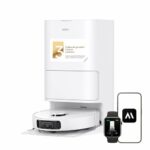
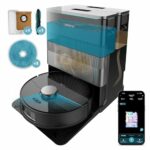
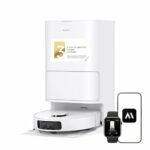
Both robots come with self-emptying bases that automatically transfer dust from the robot into a larger bag after each clean. The D10 Plus Gen 2 uses a 4-litre dust bag, whilst the D20 Pro Plus has a slightly larger 5-litre capacity. In practice, both should last several weeks before needing a bag change, depending on household size and cleaning frequency.
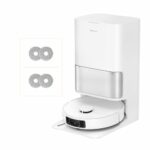
Neither base offers mop washing, mop drying, automatic detergent dispensing, UV disinfection, or water connection options. These are purely auto-empty stations without the multifunctional capabilities found in higher-end models. There's no self-cleaning tray or plumbing kit available either.
Dimensions
The robots themselves are nearly identical in size. Both measure 350 mm in diameter, with heights of 96.3 mm for the D10 Plus Gen 2 and 96.8 mm for the D20 Pro Plus. That half-millimetre difference is negligible, so both should fit under furniture with similar clearance requirements.
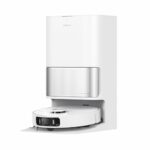
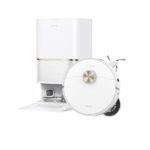
The bases differ slightly. The D10 Plus Gen 2 base measures 298 mm wide, 427 mm tall, and 406 mm deep. The D20 Pro Plus base is the same width but taller at 452 mm and deeper at 440 mm, likely accommodating the larger dust bag. Neither base is particularly compact, so you'll need to allocate floor space accordingly.
The robot tank capacities also differ. The D10 Plus Gen 2 carries 400 ml for dust and 150 ml for water. The D20 Pro Plus increases these to 500 ml and 350 ml respectively, reducing the frequency of manual refills and emptying between base returns.
Real-World Use
The D10 Plus Gen 2 suits households looking for reliable automated vacuuming with self-emptying convenience at a more accessible price point. It handles typical daily mess well enough, though you'll need to clear floors of cables and small objects beforehand since it can't detect obstacles. Maintenance will be more frequent if you have pets or long hair, given the lack of anti-tangle features.
The D20 Pro Plus is better equipped for busier households or those with pets. The doubled suction power tackles embedded dirt and pet hair more effectively, whilst the HyperStream brush system and anti-tangle side brush significantly reduce maintenance time. The obstacle avoidance means you can leave the occasional stray item on the floor without risking a stuck robot or damaged belongings. The larger water tank also makes it more practical for homes with extensive hard flooring.
For homes with lots of furniture to navigate around, the D20 Pro Plus has a clear advantage with its 3D sensor and obstacle detection. The D10 Plus Gen 2 will still map and clean efficiently, but you'll need to be more diligent about pre-cleaning the floor.
Conclusion: Which Should You Choose?
Choose the Dreame D10 Plus Gen 2 if: you want a capable robot aspirador with self-emptying functionality without stretching to the higher price bracket. It's ideal for smaller homes or flats without pets, where suction demands are moderate and you don't mind doing a quick floor check before each clean. The 285-minute runtime and LiDAR navigation ensure thorough coverage, and the self-emptying base reduces hands-on maintenance to every few weeks.
Choose the Dreame D20 Pro Plus if: you need stronger cleaning performance, particularly for pet hair or carpets, and want the convenience of obstacle avoidance to minimise preparation time. The anti-tangle brush systems make it a better fit for households with pets or long hair, whilst the larger water and dust tanks suit bigger homes. The 3D laser sensor adds peace of mind if you have children's toys or other items that occasionally end up on the floor. It's the better robot aspirador for 2025 if your budget allows the upgrade.