✨ VS Analyze · VacuumSpain comparison technology. AI-generated explanation based on verified technical data.
Introduction
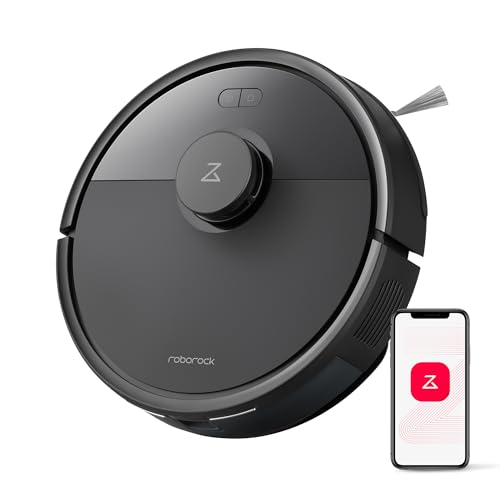
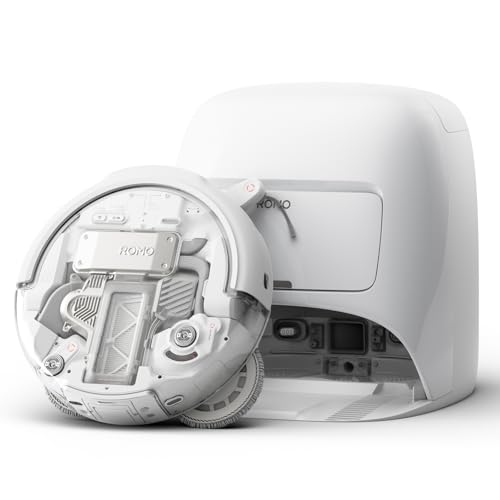
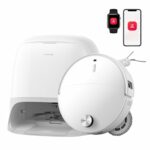
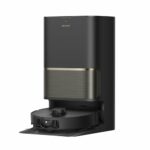
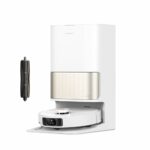
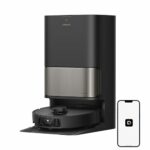
The robot vacuum market has received two very different proposals in 2025. The DJI Romo A (Robot Transparente) represents DJI's entry into this sector with advanced technology and a complete multifunction base, whilst the Roborock Q7 L5 o BF presents itself as a more basic alternative with only vacuuming functions.
We're looking at two different philosophies. The DJI model is designed for those seeking a comprehensive cleaning solution with automatic mopping and minimal maintenance. The Roborock unit, on the other hand, focuses exclusively on vacuuming, without including a self-emptying base or active mopping system.
Power and Suction
The difference in suction power is notable. The DJI Romo A (Robot Transparente) triples the figures of the Roborock Q7 L5 o BF with its 25,000 Pa versus 8,000 Pa. This gap is especially noticeable on medium or long pile carpets, where extraction capacity makes a real difference.
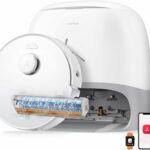
The brushing system also differs considerably. The DJI features a split brush that facilitates direct suction without tangles, whilst the Roborock uses a traditional bristle brush, more prone to accumulating hair. Additionally, the DJI's main brush lifts automatically during mopping, preventing it from getting wet and maintaining efficiency in vacuum mode.
Regarding the side brush, the DJI model incorporates a dual anti-tangle brush with extension to better reach corners. This system proves practical in homes with pets. The Roborock Q7 L5 o BF doesn't include these improvements, maintaining a conventional side brush without extension capability or specific anti-tangle design.
Mopping
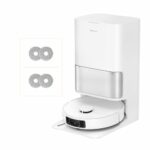
Here we find one of the most important differences between these units. The DJI Romo A features two rotating mops that extend to reach edges and lift when they detect carpets or floors that shouldn't get wet. The Roborock Q7 L5 o BF, however, uses a static mop without lifting or lateral extension capability.
The DJI's base washes the mops with hot water during the cleaning process, allowing the robot to return several times to refresh the mops. Afterwards it dries them with hot air, eliminating bad odours and bacteria. The Roborock model lacks this multifunction base, which means the mop isn't washed or dried automatically.
The DJI's dirt detection system analyses both the mops and the floor, adjusting mopping intensity or going over dirtier areas again. This intelligence applied to mopping isn't present in the Roborock Q7 L5 o BF. The DJI's base includes a 4-litre detergent tank for clean water and 3.2 litres for dirty water, with automatic tray self-cleaning via automatic nozzle.
Navigation System
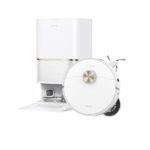
The DJI Romo A (Robot Transparente) integrates solid-state LiDAR combined with a front-facing AI camera and 3D laser sensor. This combination allows precise obstacle recognition and intelligent avoidance. It includes LED for night vision and remote camera access, which adds surveillance functionality.
The Roborock Q7 L5 o BF features a traditional LiDAR 3.0 turret without a camera or additional 3D sensors. It doesn't incorporate an AI-based obstacle avoidance system, which may result in more manual interventions if there are cables, slippers or small objects on the floor.
The DJI's intelligent AI cleaning recognises stains and adjusts cleaning patterns according to the type of dirt detected. The Roborock model maintains standard navigation patterns without this automatic adaptation.
Autonomy and Battery
The DJI Romo A is equipped with a 5,000 mAh battery that provides up to 180 minutes of continuous operation. This autonomy proves sufficient for large homes without needing intermediate recharges. The Roborock Q7 L5 o BF has 3,200 mAh, although the exact autonomy in minutes isn't specified.
In practice, the DJI's greater capacity allows completion of deep cleans with vacuuming and mopping without interruptions. The DJI robot's dust bin has 260 ml, whilst the Roborock offers 400 ml. This difference is offset in the DJI thanks to self-emptying into the base with a 2.4-litre bag.
Smart Features
Both robots overcome obstacles up to 20 mm in height, useful for transitions between rooms or small level changes. Both models are compatible with external voice assistants such as Alexa or Google Home.
The difference lies in the AI features. The DJI Romo A (Robot Transparente) incorporates intelligent stain recognition and automatic route adjustment according to dirt level. Remote access to its camera allows you to see what's happening at home from the mobile app.
Multifunction Cleaning Base
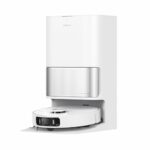
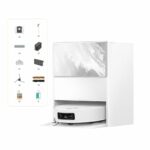
The DJI Romo A includes a complete base that manages self-emptying of the dust bin, washes the mops with hot water and dries them with hot air. Automatic tray self-cleaning via automatic nozzle reduces manual maintenance. The 4-litre clean water and 3.2-litre dirty water tanks allow several cleaning sessions without refilling.
The Roborock Q7 L5 o BF doesn't have a multifunction base. It's a standard charging base without self-emptying or mop washing system. This means manually emptying the robot's 400 ml bin and cleaning the static mop after each use if you wish to maintain a good level of hygiene.
The DJI's detergent tank automatically dispenses product during mop washing. The 2.4-litre dust bag can last weeks without needing changing, depending on the size of the home and frequency of use.
Dimensions
The Roborock Q7 L5 o BF measures 325 mm in diameter and 99 mm in height. The DJI Romo A (Robot Transparente) is 351 mm in diameter and 98 mm in height. The one-millimetre difference in height is irrelevant, but the DJI's larger diameter may slightly limit access under some low furniture.
The DJI's base takes up considerably more space: 453 mm wide, 440 mm high and 425 mm deep. The Roborock's base is much more compact at 160 mm wide, 101 mm high and 70 mm deep. This is worth considering if available space is limited, as the DJI's multifunction base needs a more spacious location.
Real-World Usage Experience
For large homes, the DJI Romo A (Robot Transparente) offers 180 minutes of autonomy and a base that manages all maintenance. The 25,000 Pa power proves effective on thick carpets and floors with ingrained dirt. Mopping with rotating mops that wash and dry automatically keeps floors genuinely clean without manual intervention.
In homes with pets, the DJI's anti-tangle system with dual side brush and split main brush notably reduces maintenance. The higher suction power better captures animal hair. The Roborock Q7 L5 o BF, with its conventional bristle brush, requires more frequent cleaning if there are pets that shed hair.
The Roborock model proves simpler to use for those who only need basic vacuuming without complications. There's no need to worry about refilling water tanks or managing the mopping system. The 400 ml dust bin is generous for small or medium-sized flats without pets.
The DJI's AI navigation avoids obstacles more efficiently, reducing jams. Remote camera access provides peace of mind if there are pets at home during the day. The Roborock Q7 L5 o BF needs a clearer floor to function without problems, as it lacks intelligent obstacle avoidance.
Conclusion: Which to Choose?
Choose the DJI Romo A (Robot Transparente) if you're looking for a complete vacuuming and mopping solution with minimal maintenance. It's ideal for large homes where the 180-minute autonomy and 25,000 Pa power make a difference. If you have pets, the anti-tangle system and the base that manages everything automatically will save you time. The investment in a multifunction base with hot air mop washing and drying is noticeable in mopping quality. Also if you value advanced features such as the camera with remote access or intelligent dirt detection.
Choose the Roborock Q7 L5 o BF if you only need vacuuming without additional complications. It works well in small or medium-sized flats where the 400 ml bin proves sufficient and manually emptying it doesn't matter. If space for the base is limited, its compact dimensions are a clear advantage. Also if you prefer a simpler robot without AI systems or automatic mopping features. For tight budgets where only basic vacuuming with traditional LiDAR navigation is required, it fulfils its function without unnecessary extras.