✨ VS Analyze · VacuumSpain comparison technology. AI-generated explanation based on verified technical data.
Introduction
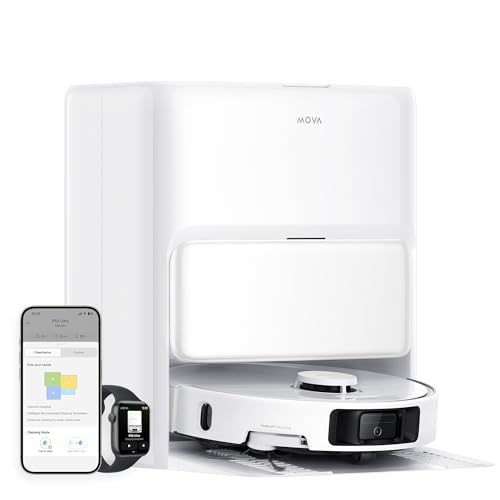
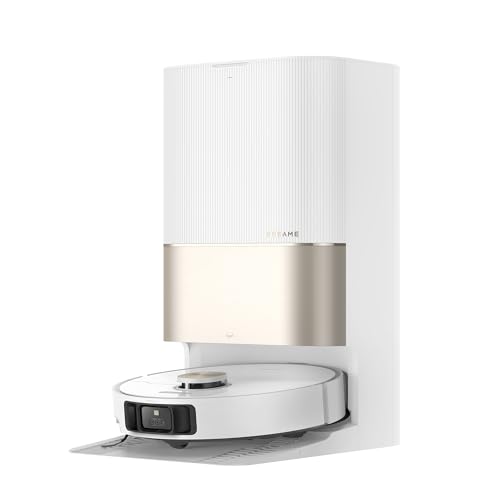
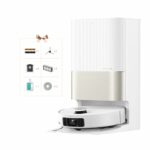
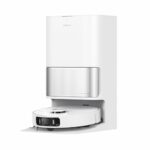
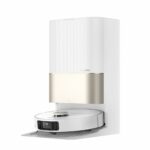
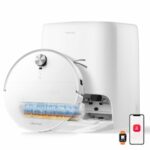
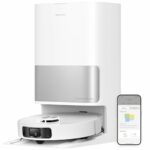
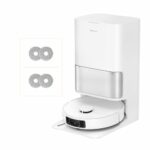
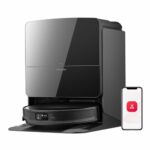
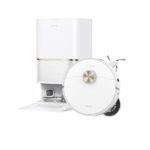
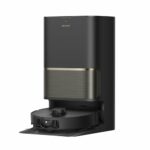
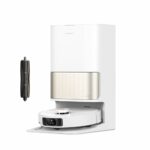
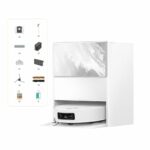
The Mova P50 Ultra and Dreame X40 Ultra represent two compelling options in the premium robot vacuum segment, though they arrive from different generations. The Mova P50 Ultra launched in 2025 as a powerful newcomer, whilst the Dreame X40 Ultra has been available since 2024. Both models feature multifunctional bases with hot water mop washing and hot air drying, alongside advanced navigation systems designed to handle complex home environments.
These aren't entry-level machines. Both robots target users seeking comprehensive automated cleaning with minimal intervention, particularly those with larger homes featuring mixed flooring types. The presence of mop extension systems and elevated brush designs suggests they're built for thorough edge cleaning and adaptability across different surfaces.
Power and Suction
The suction power gap between these models is substantial. At 19,000 Pa, the Mova P50 Ultra generates nearly 60% more raw suction than the Dreame X40 Ultra's 12,000 Pa. In practice, this translates to more aggressive debris pickup, particularly beneficial for homes with deep-pile carpets or persistent pet hair challenges.
Both robots employ a simple brush design rather than anti-tangle configurations. The main brush on each model lifts during mopping to prevent wet carpet contact, whilst the side brushes also elevate and extend to reach corners effectively. The side brush anti-tangle feature appears on both, helping reduce maintenance frequency when dealing with long hair or fibrous debris.
The elevated suction power of the P50 Ultra might compensate for the absence of more advanced brush technologies, though users with multiple pets should consider this alongside other factors like dirt detection capabilities.
Mopping Performance
Both models utilise dual rotating mops that extend outward during operation, enhanced by a swinging motion that pushes the mop slightly under furniture edges and skirting boards. Each can lift its mops 10.5 mm when transitioning to carpets or rugs, though neither offers heated water for floor mopping—both rely on cold water during the actual cleaning pass.
The distinction emerges in intelligence and automation. The Dreame X40 Ultra incorporates dirt detection for both the mops themselves and the floor surface, allowing it to identify heavily soiled areas and adjust cleaning intensity accordingly. This sensor-driven approach means the robot can make multiple passes over stubborn marks without manual intervention.
Another practical advantage for the X40 Ultra: automatic mop removal at the base. When you need pure vacuuming without any mopping, the Dreame handles this transition itself. The Mova P50 Ultra requires manual mop removal for vacuum-only sessions.
Both bases wash mops with hot water and dry them using heated air, which helps prevent bacterial growth and musty odours between cleaning sessions. This matters particularly for households running daily mopping routines.
Navigation Systems
Navigation hardware shows clear differentiation. The Dreame X40 Ultra pairs its LiDAR turret with dual AI cameras, enabling visual recognition of up to 120 different obstacle types. This camera system also provides remote access capability, effectively turning the robot into a mobile home monitor when you're away.
The Mova P50 Ultra takes a more traditional approach with LiDAR and 3D laser sensors but omits camera-based AI. Whilst it still navigates effectively and detects curtains to avoid tangling, it cannot visually identify specific objects or pets. For homes with animals, the X40 Ultra's pet recognition becomes relevant—it can identify and carefully navigate around resting cats or dogs.
LED night vision on the Dreame model enhances low-light navigation, useful for evening cleaning sessions in unlit rooms. Both robots feature CleanGenius AI for intelligent cleaning pattern optimisation, though only the X40 Ultra includes AI-powered stain recognition that triggers targeted cleaning responses.
Battery and Autonomy
Battery specifications reveal an interesting trade-off. The Dreame X40 Ultra carries a larger 6,400 mAh cell compared to the Mova's 5,200 mAh capacity, delivering a documented 194 minutes of runtime. The P50 Ultra doesn't specify autonomy duration, though its smaller battery suggests shorter continuous operation despite potentially lower power consumption from its simpler sensor array.
For expansive homes exceeding 150 square metres, the X40 Ultra's confirmed runtime provides more predictable coverage. Both robots automatically return to base for recharging when needed, then resume cleaning where they left off, though the frequency of these interruptions will vary based on battery capacity and cleaning mode intensity.
Smart Features
Both models navigate obstacles up to 22 mm high—sufficient for standard door thresholds and thick carpet transitions. Neither includes a robotic arm for enhanced object manipulation, keeping the design focused on core vacuuming and mopping functions.
Voice control integration works through external assistants like Alexa and Google Home on both robots. Neither has developed a proprietary voice assistant, which keeps setup straightforward for users already invested in these ecosystems.
The CleanGenius AI system appears on both models, optimising cleaning patterns based on room layout and usage patterns learned over time. However, the X40 Ultra's additional camera-based intelligence provides a more comprehensive understanding of the environment, particularly regarding object identification and avoidance strategies.
Multifunctional Base
Base functionality shares considerable common ground. Both stations automatically empty the robot's 300 ml dust bin into 3.2-litre collection bags, wash mops with hot water, and dry them with heated air. Self-cleaning of the washing tray occurs on both, though the Mova P50 Ultra features third-generation technology compared to the X40 Ultra's second-generation system.
Water tank capacities differ slightly: the Dreame holds 4.5 litres of clean water versus 4 litres on the Mova, whilst dirty water tanks measure 4 litres and 3.5 litres respectively. These differences rarely impact practical usage unless you're cleaning exceptionally large areas in a single session.
Detergent dispensing presents a notable distinction. The Dreame X40 Ultra includes an integrated detergent tank as standard, automatically adding cleaning solution during mop washing. The Mova P50 Ultra offers this as an optional accessory requiring separate purchase—worth considering when calculating total ownership costs.
The Dreame also provides a plumbing connection kit as an optional purchase, enabling permanent water supply and drainage connections. Neither model includes this integration as standard. For most households, the manual tank filling approach remains perfectly manageable.
Physical Dimensions
The robots themselves share identical dimensions: 350 mm diameter and 97 mm height. This low profile allows both to slide beneath most furniture, though you'll want to verify clearance under particularly low-slung sofas or bed frames.
Base station footprints diverge significantly. The Mova P50 Ultra measures 420 mm wide, 470 mm tall, and 458 mm deep—a more horizontal orientation. The Dreame X40 Ultra stands taller at 590.5 mm but occupies less width at 340 mm, with similar depth of 456.7 mm. The Dreame's vertical design suits narrow spaces better, whilst the Mova's lower profile might fit more discreetly in certain room layouts. Consider your available floor space and whether you're tucking the base into a corner, cupboard, or utility area.
Real-World Usage Considerations
For larger homes with multiple floor types, the Dreame X40 Ultra's confirmed 194-minute runtime and dirt detection provide more autonomous operation. The camera system adds value if you have pets or want remote monitoring capability, whilst automatic mop removal suits households that frequently switch between mopping and vacuum-only cleaning.
The Mova P50 Ultra's exceptional suction power makes it particularly effective for deep carpet cleaning or homes with heavy debris accumulation. If maximum pickup strength matters more than advanced AI features, this becomes the defining advantage. The simpler sensor setup may also prove more reliable long-term with fewer complex components to potentially malfunction.
Pet owners should weigh the X40 Ultra's recognition capabilities against the P50 Ultra's superior suction for hair pickup. Both have anti-tangle side brushes, though neither features advanced anti-hair brush designs on the main roller.
Maintenance considerations include the detergent tank situation—if you prefer integrated solutions without additional purchases, the Dreame delivers this out of the box. The third-generation tray cleaning on the Mova might offer improved hygiene, though both systems adequately prevent buildup.
Conclusion: Which Should You Choose?
Choose the Mova P50 Ultra if: Maximum suction power tops your priority list, particularly for deep carpet cleaning or heavy debris pickup. You prefer a more straightforward navigation system without cameras and don't need remote monitoring features. The wider, lower base station fits your available space better, and you're comfortable purchasing the detergent dispenser separately if desired. This model suits users who value raw cleaning power and don't require the most advanced AI-driven automation.
Choose the Dreame X40 Ultra if: You want comprehensive AI features including visual obstacle recognition, pet detection, and remote camera access. Automatic mop removal appeals for convenient switching between cleaning modes, and integrated dirt detection matters for handling unpredictable mess patterns. The included detergent dispenser and confirmed 194-minute runtime provide peace of mind for larger homes. The taller, narrower base fits your space constraints, and you appreciate the intelligence that comes from dual camera integration. This option suits tech-focused users seeking maximum automation and environmental awareness.
Both represent capable premium cleaning systems. The choice ultimately balances raw power against intelligent features, with the Mova excelling in suction performance whilst the Dreame offers more sophisticated environmental understanding and convenience features.