✨ VS Analyses · VacuumSpain comparison technology. Explanation created with AI from verified technical data.
Introduction
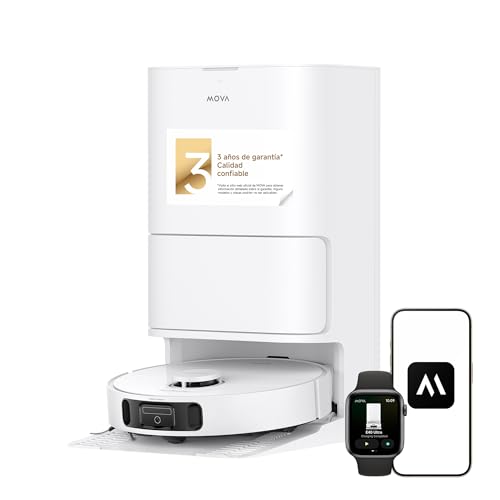
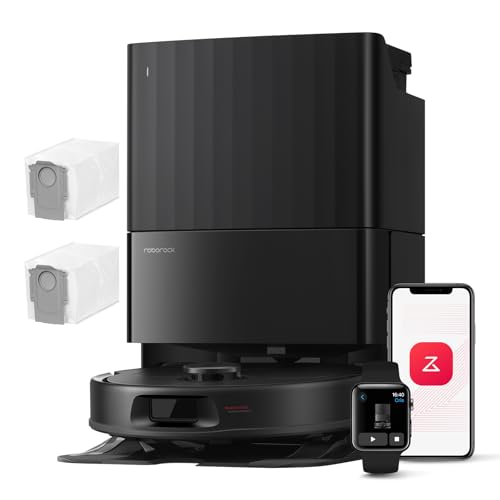
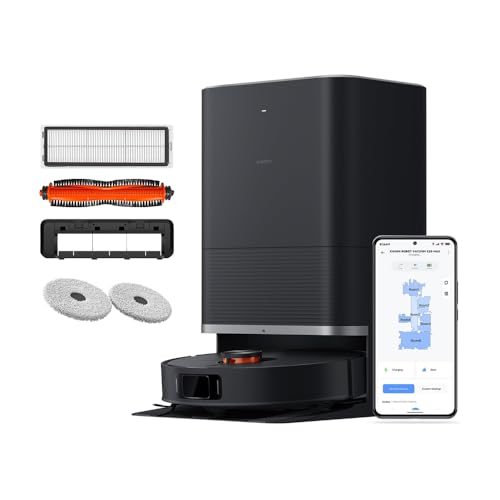
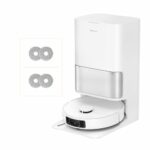
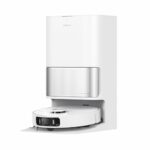
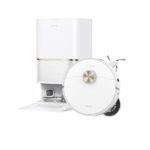
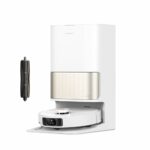
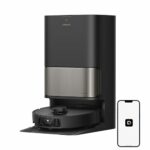
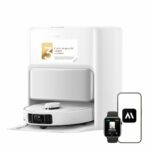
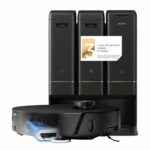
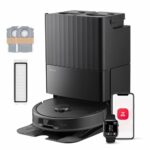
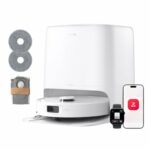
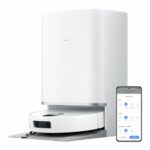
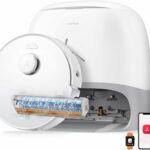
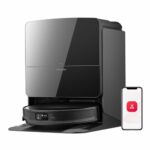
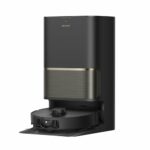
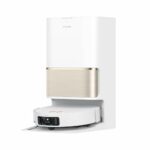
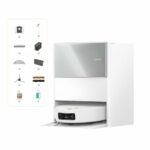
Choosing a robot vacuum cleaner with mopping can become complicated when all three models share many technical features. The Mova E40 Ultra arrives in 2025 as part of Dreame's second brand, whilst the Roborock QV 35A represents the world's leading brand's offering in the same year. The Xiaomi X20 Max, launched in 2024, completes this comparison of robot vacuum cleaners with multifunctional base stations.
All three units are designed for homes looking to fully automate cleaning, both vacuuming and mopping. They include base stations that empty dust, wash and dry mops automatically. However, differences in power, tank capacities and some navigation details define distinct usage profiles.
Power and Suction
The most striking difference between these models appears in suction power. The Mova E40 Ultra delivers 19,000 Pa, a figure that more than doubles the 8,000 Pa of the Roborock QV 35A and the Xiaomi X20 Max. This gap translates into better performance on carpets and in capturing ingrained dirt.
Regarding the brushing system, the Xiaomi mounts a TriCut 3.0 brush that combines bristles with blades to cut hair. The Mova E40 Ultra and the Roborock QV 35A employ simplified brushes that reduce tangles. All three models maintain a fixed side brush, without extension or automatic elevation.
The anti-tangle side brush is only present on the Mova robot vacuum cleaner and the Roborock. The Xiaomi X20 Max does without this technology, which may mean more maintenance in homes with long hair or pets. None of the three raises the main brush during mopping, something common in this range.
Mopping
All three robots mop with two rotating mops. Mop extension to better reach edges works on the Mova E40 Ultra with a lateral movement that brings the mop closer to skirting boards and corners. The Xiaomi X20 Max also extends the mops, although without specifying the mechanism. The Roborock QV 35A does not include this function.
Mop lift reaches 10.5 mm on the Mova, compared to 10 mm on the Roborock and Xiaomi. These are very similar values that allow climbing onto thin carpets without wetting them. All three mop with cold water, both on the floor and when washing mops at the base station.
The base stations of all three models wash the mops with hot water, an important detail for eliminating grease and bacteria. Drying is also carried out with hot air in all cases, speeding up the process and preventing bad odours. None automatically removes the mops or detects dirt in real time to reinforce mopping.
Navigation System
All three units navigate using LiDAR turret and feature obstacle avoidance. The Mova E40 Ultra and the Xiaomi X20 Max incorporate a front 3D laser sensor, which improves detection of low objects and cables. The Roborock QV 35A does without this additional sensor.
Pet recognition only appears on the Mova robot vacuum cleaner, which can identify them and adjust cleaning accordingly. This function is useful in homes with dogs or cats that shed hair or may move around during cleaning. The Xiaomi X20 Max adds night vision LED, absent in the other two.
All three models integrate AI-based intelligent cleaning systems: CleanGenius on the Mova, SmartPlan on the Roborock and a generic function on the Xiaomi. None includes a camera for remote access or recognises curtains. All integrate with Alexa and Google Home.
Autonomy and Battery
Battery capacity is identical: 5,200 mAh in all three robots. However, battery life varies notably. The Mova E40 Ultra reaches 210 minutes, the Roborock QV 35A achieves 180 and the Xiaomi X20 Max remains at 120 minutes. This difference can be explained by the higher consumption of suction power on the Mova and by different software optimisations.
In large homes, the Mova's 210 minutes allow covering more surface area without intermediate recharges. The Xiaomi, with only two hours of battery life, may need to return to the base station in spacious houses. The Roborock sits at a balanced middle point.
Smart Functions
All three robots overcome obstacles up to 20 mm in height, sufficient to navigate thick carpets or small level changes. None incorporates a robotic arm or its own voice assistant, functions that only appear in higher ranges.
Multifunctional Cleaning Base Station
The multifunctional base stations of these models empty dust, wash and dry mops automatically. Dust bag capacity varies: 3.2 litres on the Mova E40 Ultra, 2.7 on the Roborock QV 35A and 2.5 on the Xiaomi X20 Max. A larger bag reduces replacement frequency, especially important in homes with pets.
The clean water tank reaches 4.5 litres on the Mova, compared to 4 litres on the Roborock and Xiaomi. Dirty water is stored in 4 litres on the Mova, 3.5 on the Roborock and 3.8 on the Xiaomi. These differences allow the Mova robot vacuum cleaner to perform more mopping cycles without manual intervention.
The Mova E40 Ultra offers an optional detergent tank that is purchased separately. The other two models do not include this option. None of the three features tray self-cleaning, UV disinfection or direct connection to water pipes.
Dimensions
The diameter is around 350 mm on all three robots: 350 on the Mova and Xiaomi, 353 on the Roborock. Height is practically identical: 97 mm on the Mova and Xiaomi, 96.5 on the Roborock. These very similar measurements do not make real differences for passing under furniture.
The base stations show more variation. The Roborock's measures 521 mm in height, the most compact. The Xiaomi reaches 563 mm and the Mova 590.5 mm. In depth, the Xiaomi is the narrowest at 420 mm, followed by the Mova at 456.7 mm and the Roborock at 487 mm. It's advisable to measure the available space before purchasing.
Real-World Experience
The 19,000 Pa power of the Mova E40 Ultra makes a difference on carpets and in homes with pets that shed a lot of hair. Specific animal recognition reinforces this advantage. Its greater battery life and tank capacities make it more suitable for large homes where the robot must work longer without supervision.
The Roborock QV 35A offers the reliability of the world's leading brand in robot vacuum cleaners. Its 8,000 Pa power is sufficient for hard floors and thin carpets. The more compact base station in height facilitates its placement. In practice, this model balances performance and confidence in the software.
The Xiaomi X20 Max, launched in 2024, provides night vision LED and front 3D laser sensor. Its more limited battery life orientates it towards medium-sized flats. The TriCut 3.0 brush helps with hair, although lacking an anti-tangle side brush it may require more manual cleaning.
For homes with pets, the Mova stands out for power, specific recognition and anti-tangle side brush. In large homes, its 210-minute battery life and larger tanks reduce interventions. If you're looking for proven reliability and a more compact base station, the Roborock is a reference. The Xiaomi positions itself as a middle option with details such as the night LED.
Conclusion: Which to Choose?
Choose the Mova E40 Ultra if you live in a large house, have pets or need maximum suction power. Its 210-minute battery life, the most spacious tanks and animal recognition make it the most complete for intensive cleaning. Lateral mop extension improves mopping at edges. The optional detergent tank adds versatility.
Choose the Roborock QV 35A if you prioritise brand reliability and a proven balance between features. Its more compact base station in height facilitates installation. Although it has less power than the Mova, the 8,000 Pa is sufficient for most homes without thick carpets. The Roborock app is a reference in the sector.
Choose the Xiaomi X20 Max if you're looking for a robot with 3D laser sensor and night LED at a lower price than the Mova. Its 120-minute battery life makes it more suitable for medium-sized flats. The TriCut 3.0 brush provides advantages with hair, although the side brush requires monitoring. The base station has the smallest depth, useful in tight spaces.