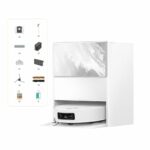
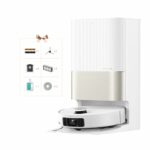
✨ VS Analyses · VacuumSpain comparison technology. Explanation created with AI from verified technical data.
Introduction
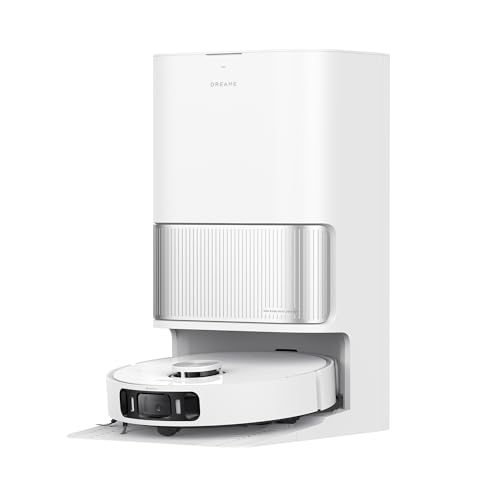
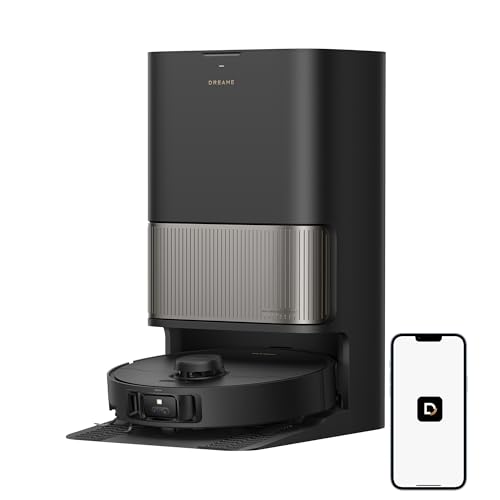
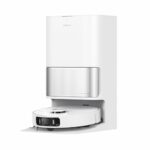
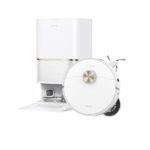
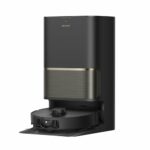
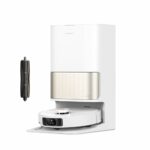
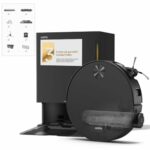
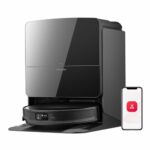
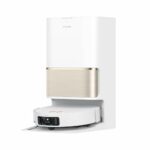
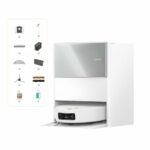
The Dreame L40 Ultra AE and Dreame L40s Pro Ultra represent two of the brand's latest releases for 2025, sharing the same powerful 19,000 Pa suction and 5,200 mAh battery capacity. Both models feature multifunctional bases with hot water mop washing and hot air drying, making them suitable for users seeking a comprehensive cleaning solution with minimal manual intervention.
At first glance, these robots appear nearly identical. However, the differences lie in the details of their navigation systems, brush configurations, and intelligent features. The L40s Pro Ultra positions itself as the more advanced option, whilst the L40 Ultra AE offers a slightly more streamlined approach. Understanding which features matter for your specific home environment will help determine the best fit.
Power and Suction
Both robots deliver 19,000 Pa suction, placing them firmly in the high-performance category for 2025. This level of power handles everything from fine dust on hard floors to embedded debris in carpets without issue.
The main brush design marks a significant divergence. The L40 Ultra AE uses TriCut 3.0 technology, which combines bristles with integrated blades to cut through tangled hair. This system works well for homes with pets, though some manual maintenance remains necessary. The L40s Pro Ultra employs a HyperStream dual brush configuration, where two brushes anchored at one end work together to prevent hair entanglement more effectively. In practice, this design requires less frequent cleaning and suits households with multiple pets or long-haired occupants.
Regarding side brushes, the differences become more pronounced. The L40 Ultra AE features a standard side brush without extension or lifting capabilities. The L40s Pro Ultra, however, includes an extendable side brush that reaches into corners more effectively, lifts when mopping to avoid dragging debris, and incorporates anti-tangle technology. For homes with complex floor plans featuring numerous corners and edges, this becomes particularly relevant.
Both models lift their main brushes during mopping to prevent cross-contamination between vacuuming and wet cleaning tasks.
Mopping
The mopping systems share considerable common ground. Both utilise dual rotating mops that extend outward with RoboSwing movement to reach edges and navigate under furniture protrusions. The 10.5 mm mop lift keeps carpets and rugs dry during mixed-surface cleaning.
Hot water mop washing at the base ensures both models maintain clean mops throughout the cleaning cycle. They return periodically to wash mops during operation, then complete a final wash and hot air dry cycle to prevent odours and bacterial growth. The detergent dispensers on both bases automate the addition of cleaning solution during mop washing.
The L40s Pro Ultra gains an advantage with automatic mop removal at the base. When you need to vacuum without mopping, the robot can detach its mops at the docking station without manual intervention. The AE requires you to remove mops manually for vacuum-only sessions.
Both models detect dirt on mops and floors, triggering additional cleaning passes or mop washes when needed. This adaptive approach means heavily soiled areas receive more attention automatically.
The base self-cleaning differs slightly: the AE uses second-generation technology whilst the Pro Ultra features third-generation systems. This generally translates to improved reliability and reduced maintenance frequency for the Pro Ultra's base components.
Navigation System
Navigation technology forms another area of differentiation. Both robots employ LiDAR 3.0 turrets for spatial mapping and frontal 3D laser sensors for obstacle detection. LED lighting enables night-time operation without compromising navigation accuracy.
The camera configuration diverges significantly. The L40 Ultra AE incorporates a single AI camera, whilst the L40s Pro Ultra features dual AI cameras. This dual-camera setup provides enhanced depth perception and more accurate object identification. The Pro Ultra recognises 180 different obstacle types compared to 120 for the AE, including specific detection for curtains that the AE lacks.
Both models identify pets and can access their cameras remotely through the app, useful for checking on animals or monitoring your home whilst away. The CleanGenius AI system on both robots learns your home's layout and adjusts cleaning patterns accordingly.
The Pro Ultra adds AI-based stain recognition, allowing it to identify and target specific marks on floors that might otherwise go unnoticed. This feature doesn't appear on the AE.
Battery and Autonomy
The 5,200 mAh battery capacity remains identical across both models. The L40s Pro Ultra specifies 220 minutes of runtime, though the AE doesn't list a specific autonomy figure in the available data. Given the identical battery capacity and similar specifications, runtime should prove comparable in real-world use.
For larger homes, both robots automatically return to base for recharging during extended cleaning sessions, then resume where they left off. The substantial battery capacity means most homes under 200 square metres can be cleaned in a single session.
Intelligent Features
Obstacle climbing capabilities differ between the two. The L40 Ultra AE manages 20 mm obstacles, suitable for standard door thresholds and minor floor transitions. The L40s Pro Ultra takes this further with the ability to handle simple stairs, though this shouldn't be confused with full stair-climbing capability—it refers to managing single-step transitions more effectively.
Voice control presents another distinction. The AE works with external voice assistants like Alexa and Google Home. The Pro Ultra includes these integrations but adds its own proprietary voice assistant, enabling direct voice commands without requiring third-party ecosystems. This can simplify setup and reduce dependency on additional smart home infrastructure.
Neither model incorporates a robotic arm, focusing instead on comprehensive coverage through brush and mop extension technologies.
Multifunctional Cleaning Base
Both bases measure identically at 340 mm wide, 590.5 mm tall, and 456.7 mm deep. They share 3.2-litre dust bags, 4.5-litre clean water tanks, and 4-litre dirty water tanks. This generous capacity means infrequent maintenance—typically every few weeks for most households.
Hot water mop washing and hot air drying feature on both bases, as do detergent dispensers that automatically add cleaning solution during mop maintenance cycles. Neither includes UV disinfection or automatic mop changing systems.
Both offer optional connection kits for plumbing integration, purchased separately. This allows the base to refill clean water and drain dirty water automatically, though it requires professional installation and isn't included as standard.
The third-generation base self-cleaning on the Pro Ultra versus second-generation on the AE suggests improved longevity and reduced manual cleaning of the base's internal components, though both systems maintain themselves between manual interventions.
Dimensions
Robot diameter measures 350 mm for both models, but height differs noticeably. The L40 Ultra AE stands 97 mm tall, whilst the L40s Pro Ultra reaches 103.8 mm. This 6.8 mm difference can matter when navigating under low-clearance furniture. The AE fits under more sofas, beds, and cabinets, potentially accessing areas the Pro Ultra cannot reach.
The onboard dust capacity shows an interesting reversal: the AE holds 395 ml versus 300 ml for the Pro Ultra. This larger capacity means the AE can operate longer between returns to the base for emptying, though with automatic emptying at the base, this rarely impacts practical use.
Water tank capacity in the robots themselves remains identical at 80 ml, sufficient for mopping given the frequent returns to base for mop washing and water replenishment.
Real-World Usage
For homes with multiple pets or long-haired residents, the HyperStream dual brush system on the L40s Pro Ultra reduces maintenance time compared to the TriCut 3.0 on the AE. The extendable, liftable side brush on the Pro Ultra also improves edge cleaning in complex floor plans with numerous corners.
The lower profile of the L40 Ultra AE makes it better suited for homes with low-clearance furniture. If your sofas, beds, or cabinets leave minimal space underneath, those extra millimetres matter significantly.
Larger homes benefit from both models' substantial battery capacity and automatic recharge-and-resume functionality. The Pro Ultra's enhanced navigation with dual cameras and increased object recognition provides more reliable operation in cluttered environments or homes with frequently changing floor obstacles.
The automatic mop removal on the Pro Ultra streamlines operation for users who alternate between mopping and vacuuming-only sessions. The AE requires manual mop removal, adding a step to the process.
Both models handle mixed flooring well, with mop and brush lifting protecting carpets during cleaning cycles. The hot water mop washing and drying systems on both bases ensure consistently effective mopping results without manual intervention.
Conclusion: Which to Choose?
Choose the Dreame L40 Ultra AE if: you have low-clearance furniture requiring a slimmer profile robot, prefer a more straightforward feature set without needing dual cameras or advanced AI recognition, or want to save money whilst still accessing hot water mop washing and powerful suction. The larger onboard dust capacity and lower height make this ideal for homes with space constraints and moderate pet hair.
Choose the Dreame L40s Pro Ultra if: you have multiple pets or long-haired household members and want the superior HyperStream dual brush system, need the most advanced navigation with dual cameras and 180-object recognition, value automatic mop removal for convenience, or want the built-in voice assistant for direct control. The enhanced edge cleaning with extendable side brush suits complex floor plans, and the improved obstacle climbing handles varied floor transitions more effectively.
For most users, the decision hinges on furniture clearance and pet hair management. Those with tight spaces under furniture should lean towards the AE, whilst homes with significant pet hair and complex layouts benefit from the Pro Ultra's advanced features. Both deliver excellent cleaning performance with comprehensive base functionality, making either a solid choice for hands-free home maintenance in 2025.