✨ VS Analyses · VacuumSpain comparison technology. Explanation created with AI from verified technical data.
Introduction
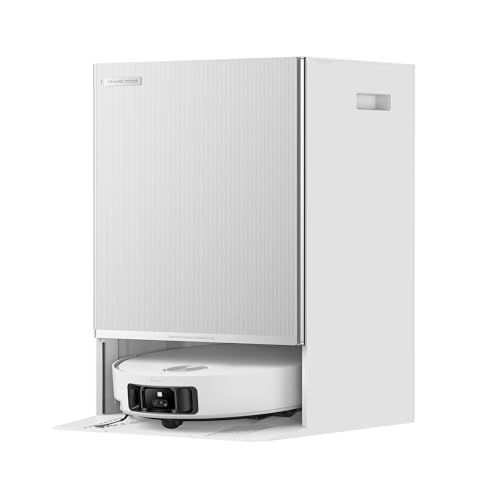
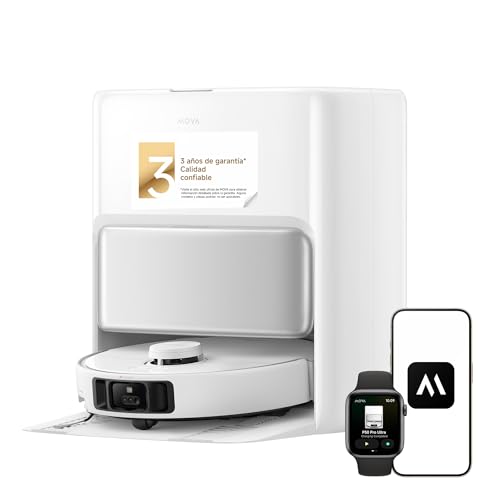
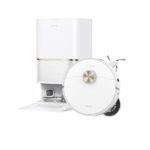
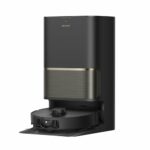
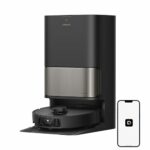
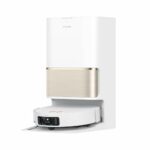
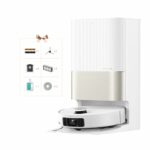
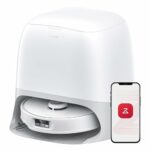
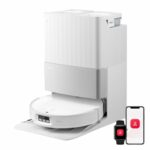
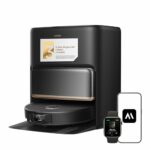
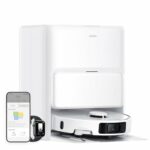
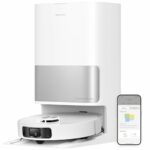
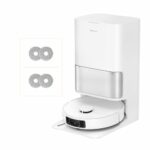
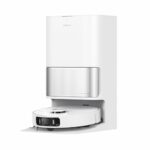
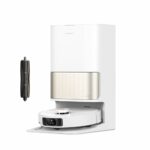
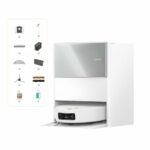
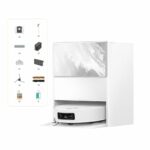
The Dreame Matrix10 Ultra and Mova P50 Pro Ultra represent two of the most advanced cleaning solutions launched in 2025. Both come equipped with multifunctional bases that handle automatic emptying, mop washing, and drying—features that distinguish premium models from more basic alternatives. What makes this comparison particularly interesting is that Mova operates as Dreame's second brand, meaning we're looking at two products from the same manufacturer targeting slightly different market segments.
The Matrix10 Ultra positions itself as a flagship model with cutting-edge technology, whilst the P50 Pro Ultra offers a compelling alternative with many high-end features at what's likely a more accessible price point. For households seeking a genuinely hands-free cleaning experience, either option delivers the convenience of automated maintenance cycles that keep mops fresh and floors properly cleaned.
Power and Suction Performance
The suction power difference is substantial. The Dreame Matrix10 Ultra delivers 30,000 Pa, which places it amongst the most powerful robot aspirators available in 2025. The Mova P50 Pro Ultra offers 19,000 Pa—still respectable for everyday cleaning, but noticeably less aggressive when dealing with embedded dirt in carpets or stubborn debris in hard-to-reach corners.
Where things get more interesting is the brush design. The Matrix10 Ultra features Dreame's Dual HyperStream brush system, which uses two brushes anchored at one end. This configuration actively prevents hair tangles, making it particularly suited for homes with pets or long-haired residents. The Mova P50 Pro Ultra employs a TriCut 3.0 brush that combines bristles with integrated blades designed to cut through tangled hair. Both approaches work well, though the HyperStream design tends to require less manual intervention.
Both models elevate their main brushes during mopping to avoid spreading dirt, and both feature extendable side brushes that reach into corners more effectively. The side brushes also lift when mopping and include anti-tangle technology. In practice, this means neither model will disappoint when it comes to thorough edge cleaning or managing pet hair.
Mopping System
Each robot uses dual rotating mops that extend outwards to clean right up to skirting boards. The extension mechanism includes a swinging motion that helps the mop reach slightly under furniture and protruding surfaces. Both can lift their mops 10.5 mm when encountering carpets or rugs, and both automatically detach the mops at the base when you want to run an aspiration-only cycle.
The standout difference lies in water temperature. The Dreame Matrix10 Ultra heats water to 55°C for mopping floors, which helps dissolve grease and stubborn marks more effectively than cold water. The Mova P50 Pro Ultra sticks with cold water for floor cleaning. For households dealing with kitchen spills or sticky residues, that heated mopping makes a tangible difference.
When it comes to mop maintenance, both bases wash the mops with hot water and dry them using heated air, which prevents odours and bacterial growth. The Matrix10 Ultra takes this further with a 3.5-generation self-cleaning system for its washing tray, compared to the third-generation system in the P50 Pro Ultra. Both detect dirt on mops and floors, triggering additional cleaning passes when needed.
Perhaps the most distinctive feature of the Matrix10 Ultra is its automatic mop changing system. The base stores three pairs of mops and swaps them out as they become soiled during extended cleaning sessions. The Mova model requires manual mop changes. For larger homes or particularly dirty floors, this automation reduces the need to intervene mid-clean.
Navigation System
Both models rely on LiDAR for mapping and navigation, but the Matrix10 Ultra uses a retractable system that lowers the sensor when not needed, reducing the robot's profile. The Mova P50 Pro Ultra features a traditional LiDAR tower, which contributes to its taller 103.8 mm height compared to the Matrix10 Ultra's 89 mm. That extra centimetre and a half matters when navigating under low-clearance furniture.
Each robot includes dual RGB cameras for obstacle recognition, 3D laser sensors at the front, and LED lighting for low-light navigation. The Matrix10 Ultra recognises 240 different objects, whilst the P50 Pro Ultra identifies 160. Both detect pets and curtains, and both allow remote camera access through their respective apps. The difference in recognition capability means the Dreame model handles unusual household items with slightly more sophistication.
The Matrix10 Ultra runs on Dreame's AI Sage 15.0 octa-core processor, which powers its CleanGenius AI cleaning intelligence. The Mova P50 Pro Ultra also features CleanGenius AI but doesn't specify its processor. Both systems analyse room types, adjust cleaning intensity, and identify stains that need extra attention.
Battery and Autonomy
The Matrix10 Ultra's 6,400 mAh battery provides up to 260 minutes of runtime, whilst the Mova P50 Pro Ultra's 5,200 mAh cell delivers 210 minutes. That 50-minute difference translates to meaningful coverage in larger properties. For homes exceeding 150 square metres, the extended runtime reduces the likelihood of mid-clean recharging interruptions.
Neither manufacturer specifies charging times in the available data, but both robots automatically return to base when needed and resume cleaning afterwards. The longer autonomy of the Matrix10 Ultra simply means fewer interruptions during whole-home cleaning cycles.
Smart Features
The Dreame Matrix10 Ultra can climb single-step obstacles up to 40 mm, whilst the Mova P50 Pro Ultra manages 22 mm thresholds. This capability affects how easily each robot transitions between rooms with raised doorways or navigates over thick rugs. The Matrix10 Ultra's advantage here means fewer situations where the robot gets stuck or requires manual assistance.
Both models include their own voice assistants and integrate with external systems like Alexa and Google Home. Neither features a robotic arm, which remains a rarity in 2025 and isn't necessary for the vast majority of household cleaning tasks.
Multifunctional Base
The base stations handle automatic dust emptying into 3.2-litre bags, mop washing with hot water, and heated air drying. Both include detergent dispensers, though the Matrix10 Ultra offers a triple-tank system that allows for different cleaning solutions depending on floor type or cleaning needs. The Mova model has a single detergent reservoir.
Water capacity differs notably. The Matrix10 Ultra's base holds 5.5 litres of clean water and 4 litres of dirty water, compared to 4 litres and 3.5 litres respectively for the P50 Pro Ultra. Larger tanks mean less frequent refilling, particularly valuable during whole-home mopping sessions.
The Matrix10 Ultra can be fitted with an optional plumbing connection kit, purchased separately, which allows the base to fill and drain automatically. The Mova model doesn't offer this option. Whilst not essential, automatic water management appeals to users seeking maximum convenience.
Neither base includes UV disinfection or integrated plumbing connections as standard. Both measure roughly 420 mm wide and 458 mm deep, though the Matrix10 Ultra stands taller at 590 mm versus the P50 Pro Ultra's 470 mm base height.
Dimensions
Both robots measure 350 mm in diameter, but the height difference is significant. At 89 mm, the Matrix10 Ultra slips under more furniture than the 103.8 mm P50 Pro Ultra. That 14.8 mm difference determines whether the robot can clean beneath sofas, beds, and cabinets with limited clearance.
The robots carry similar onboard capacities: 310 ml versus 300 ml for dust, and 80 ml for water in both cases. These modest onboard tanks aren't a limitation given that both return to base regularly for emptying and refilling during cleaning cycles.
Real-World Usage Experience
For homes with pets, the Matrix10 Ultra's superior suction and HyperStream brush system handle fur and embedded hair more aggressively. The additional battery capacity also matters in properties exceeding 120 square metres, where the extended runtime prevents incomplete cleaning cycles.
The heated floor mopping at 55°C makes the Matrix10 Ultra particularly effective in kitchens and areas prone to grease or sticky residues. The automatic mop changing system means the robot maintains cleaning quality across larger floor areas without manual intervention.
The Mova P50 Pro Ultra suits homes where furniture clearance isn't a concern, as its taller profile limits access under low pieces. Its lower suction power handles everyday dust and debris comfortably but may struggle with deep carpet cleaning or heavy pet hair accumulation. For smaller flats or homes under 100 square metres, the reduced battery capacity rarely becomes limiting.
Both models deliver hands-free operation for weeks at a time thanks to their multifunctional bases. The Matrix10 Ultra's larger water tanks and triple detergent system reduce maintenance frequency, whilst the P50 Pro Ultra requires slightly more regular attention to water refills.
Conclusion: Which One to Choose?
Choose the Dreame Matrix10 Ultra if: you have a larger home over 150 square metres, need maximum suction power for deep carpet cleaning or heavy pet hair, want hot water floor mopping for tougher stains, value automatic mop changing for extended cleaning sessions, require low-profile access under furniture, or prefer longer intervals between base maintenance.
Choose the Mova P50 Pro Ultra if: your home is under 100 square metres, furniture clearance isn't restrictive, you want advanced cleaning features without flagship pricing, cold water mopping meets your needs, and you don't mind slightly more frequent water tank refills. It delivers excellent performance for everyday cleaning without the premium features that push the Matrix10 Ultra into top-tier territory.
Both represent solid investments in automated home cleaning, but the Matrix10 Ultra justifies its premium through measurably superior specifications across power, autonomy, and convenience features. The P50 Pro Ultra offers a more accessible entry point to high-end robotic cleaning without sacrificing core functionality.