✨ VS Analyze · VacuumSpain comparison technology. AI-generated explanation based on verified technical data.
Introduction
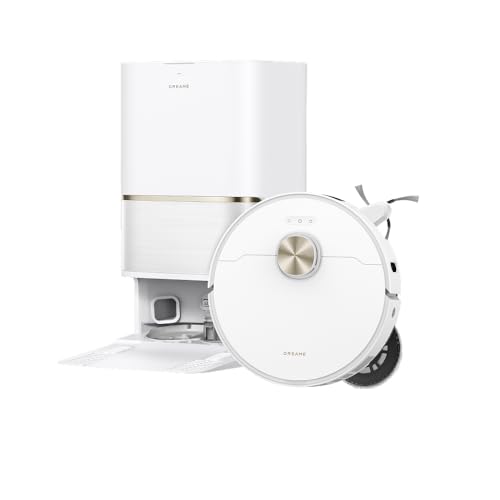
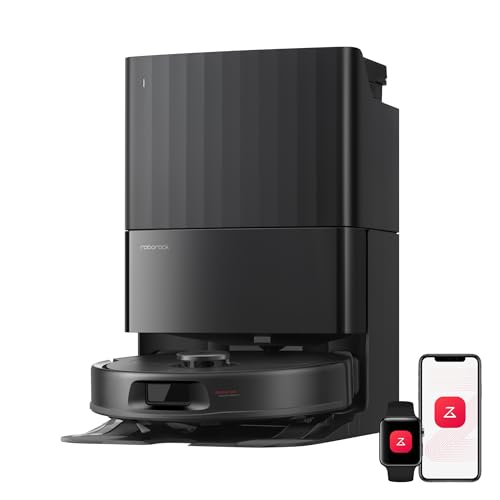
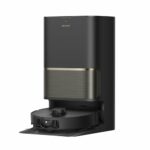
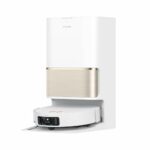
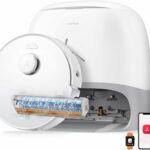
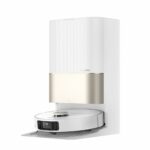
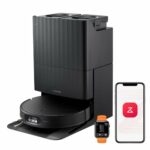
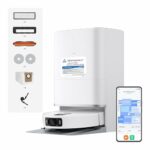
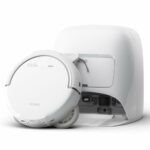
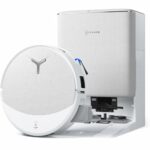
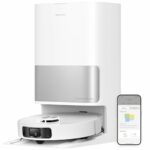
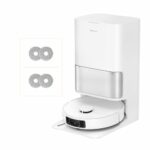
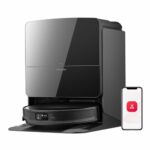
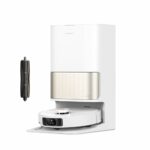
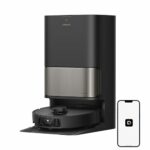
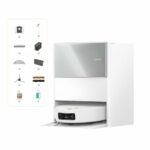
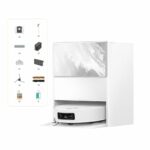
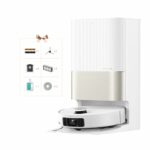
The Dreame L50 Ultra AE and the Roborock Qrevo S Pro represent two distinct approaches within the high-end range of robot vacuum cleaners with multifunctional base stations. Both launched in 2026, these devices share the goal of offering complete autonomous cleaning, but they do so from different philosophies. The Dreame model opts for raw power and advanced maintenance functions, whilst the Roborock focuses on artificial intelligence and a more compact base design.
We're looking at two options designed for those seeking to completely forget about daily maintenance. The difference lies in how each brand interprets that total autonomy.
Power and Suction
The power difference between both models is considerable. The Dreame L50 Ultra AE develops 28,000 Pa, a figure that far exceeds the Roborock Qrevo S Pro's 18,500 Pa. This difference isn't just numerical: in practice it translates to better capability for thick carpets and floors with ingrained dirt.
The brushing system also sets them apart. The Dreame mounts a TriCut 3.0 brush that can lift during mopping, preventing it from getting unnecessarily wet. The Roborock uses a simple brush without lifting capability, which means it remains in contact with the floor even when the robot is mopping.
As for the side brush, the Dreame incorporates lateral extension to better reach corners, a function the Roborock doesn't offer. Both models include anti-tangle technology in the side brush, something that helps especially in homes with long hair or pets.
Mopping
Both robots use two rotating mops for mopping, but the Dreame adds lateral extension with Roboswing movement. This system allows the mops to move towards edges and under furniture overhangs, improving coverage in difficult areas. The Roborock doesn't have this lateral extension.
Mop lifting is practically identical: 10.5 mm on the Dreame versus 10 mm on the Roborock. Both mop with cold water, without water heating for floor mopping.
A clear advantage of the Dreame is the automatic mop removal at the base. When you only need to vacuum, the robot removes the mops without manual intervention. The Roborock doesn't have this function, which requires manually removing the mops if you want to avoid dragging them across wooden floors or carpets.
The bases of both robots wash the mops with hot water and dry them with hot air, guaranteeing hygiene and preventing bad odours. Neither detects dirt on the mops or floor to automatically adjust the cleaning process.
Navigation System
Both devices use 3D LiDAR turret to map the home and plan efficient routes. However, the Dreame adds a front 3D laser sensor that improves detection of low obstacles. The Roborock does without this additional sensor.
Neither incorporates a front camera with artificial intelligence for visual recognition of objects, pets or curtains. Nor do they offer remote camera access or LED for night vision.
The Roborock compensates with SmartPlan 2.0, an AI-based intelligent cleaning system that optimises routes and adapts cleaning according to each room's characteristics. The Dreame doesn't include an equivalent intelligent planning system.
Autonomy and Battery
Both robots mount 5,200 mAh batteries, a generous capacity for the high-end range. The Roborock specifies 180 minutes of autonomy, although the Dreame doesn't detail this data in its available specifications.
With these capacities, either can clean sizeable homes in a single charge. The difference in suction power could influence actual consumption, but without specific data it's unwise to make assumptions.
Smart Functions
Both robots overcome obstacles up to 20 mm in height, sufficient for thick carpets and small level changes. Neither incorporates a robotic arm nor its own voice assistant, although both are compatible with Alexa and Google Home for voice control.
Multifunctional Cleaning Base
This is where the Dreame L50 Ultra AE makes important differences. Its base incorporates third-generation tray self-cleaning, a system that keeps the area where the mops are washed clean. The Roborock doesn't have this function, which requires periodic manual cleaning of the tray.
The detergent tank is another exclusive advantage of the Dreame. It allows automatic dosing of cleaning product during mop washing. The Roborock lacks this tank.
The dust bag capacity also favours the Dreame: 3.2 litres versus 2.7 litres. As for water, the Dreame offers 4.5 litres of clean tank and 4 litres of dirty, whilst the Roborock stays at 4 and 3.5 litres respectively. These differences are noticeable in large homes, where greater capacity means fewer refills.
The Dreame includes the possibility of purchasing an optional kit for plumbing connection, although it's sold separately. The Roborock doesn't offer this option even as an accessory.
Neither incorporates UV disinfection nor automatic mop changing.
Dimensions
The diameter is practically identical: 350 mm for the Dreame versus 353 mm for the Roborock. The height is also very similar, with 97 mm for the Dreame and 96.5 mm for the Roborock. This tenth of a millimetre makes no real difference for passing under furniture.
The base dimensions do vary more. The Dreame's reaches 590 mm in height versus the Roborock's 519 mm, a difference of more than 7 centimetres that may matter if available space is limited. In depth, the Roborock occupies 487 mm whilst the Dreame stays at 457 mm. The width is identical in both: 340 mm.
The robot's dust tank also differs: 250 ml in the Dreame against 330 ml in the Roborock. This can influence how frequently the robot returns to the base during intensive cleaning sessions, although with auto-emptying the difference is less relevant.
Real-World Usage Experience
For large homes, the Dreame offers clear advantages: greater suction power, larger base tanks and bigger dust bag. The mop and side brush extension proves useful in houses with many corners and furniture.
In homes with pets, the Dreame's extra power makes a difference for hair embedded in carpets. The TriCut 3.0 brush also helps reduce tangles. The Roborock, with its simple brush, may require more maintenance in this aspect.
If you value total maintenance autonomy, the Dreame stands out for tray self-cleaning, the detergent tank and automatic mop removal. These are functions that reduce manual intervention.
The Roborock compensates with SmartPlan 2.0 for those who prefer a robot that thinks more for itself. Its more compact base in height can also be decisive if space is tight.
Conclusion: Which to Choose?
Choose the Dreame L50 Ultra AE if you're looking for maximum suction power and want to completely forget about maintenance. It's ideal for large homes, households with pets and users who value advanced functions such as tray self-cleaning, the detergent tank and automatic mop removal. The lateral extension of brush and mops improves cleaning in corners and edges.
Choose the Roborock Qrevo S Pro if you prefer a robot with artificial intelligence that automatically optimises cleaning routes. Its lower base may fit better in reduced spaces, and the robot's dust tank is more generous. It's a solid option for those who trust in Roborock's experience and don't need the extreme power or advanced maintenance functions of the Dreame.