✨ VS Analyze · VacuumSpain comparison technology. AI-generated explanation based on verified technical data.
Introduction
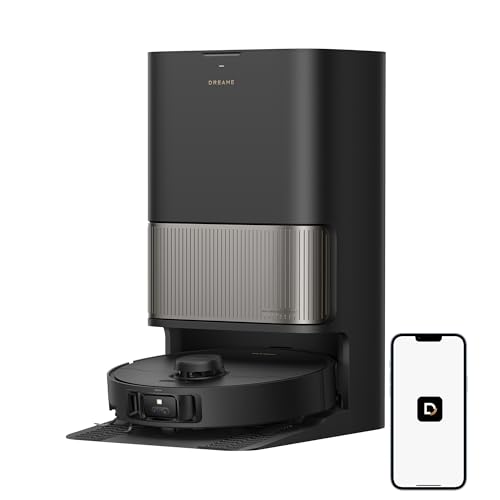
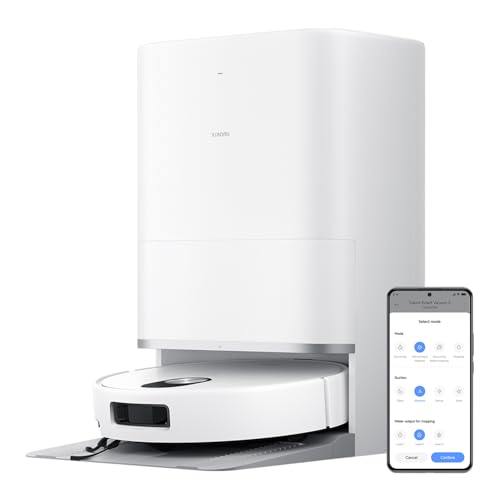
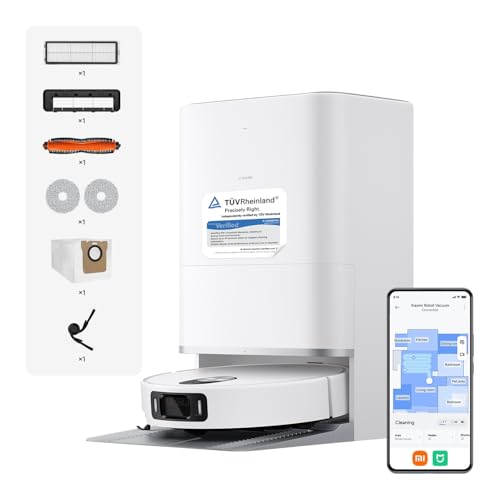
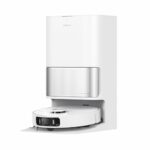
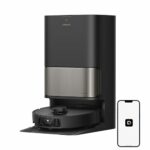
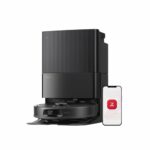
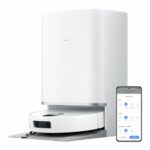
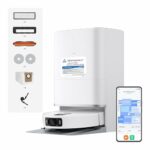
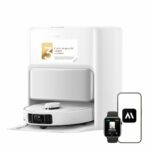
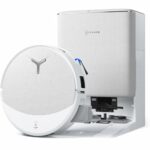
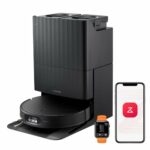
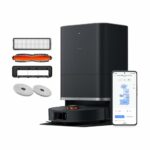
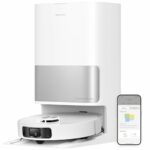
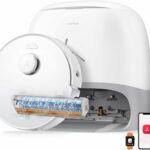
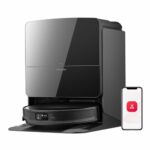
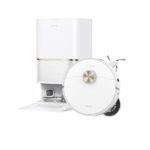
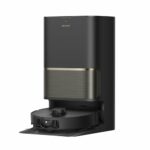
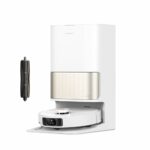
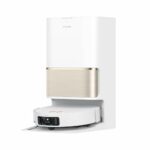
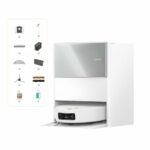
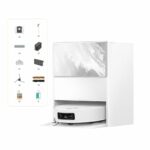
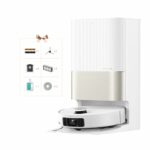
This comparison pits three high-end robot vacuum cleaners launched in 2025 against each other: the Dreame L40s Pro Ultra and two Xiaomi models, the Robot Vacuum 5 and the Robot Vacuum 5 Pro. All three units feature a multifunctional base that vacuums, mops, washes and dries the mop pads automatically, placing them in the premium segment of the market. The differences between them lie in the technical details that can make a difference to the daily user experience, especially in homes with pets, multiple floor types or the need to pass under low furniture.
The Dreame model positions itself as the most comprehensive in features, whilst the two Xiaomi models share many characteristics with each other, differing mainly in artificial intelligence capabilities and navigation. All are designed for users seeking total automation in home cleaning.
Power and Suction
The two Xiaomi models lead in raw power with 20,000 Pascals of suction, exceeding the Dreame L40s Pro Ultra by 1,000 Pa. This difference can be particularly noticeable on thick carpets or when vacuuming heavy embedded debris. However, power isn't everything when it comes to cleaning efficiency.
The brushing system marks an important difference. The Dreame features a dual HyperStream brush with anti-tangle design, specifically designed to prevent hair from wrapping around. The Xiaomi models use the TriCut 3.0 system, which combines bristles with blades that cut tangled hair. Both approaches are effective, although the Dreame system reduces manual maintenance more.
A clear advantage of the Dreame is that it can lift both the main and side brushes during mopping. This prevents wet brushes from dirtying carpets or dragging wet dirt. The Xiaomi Robot Vacuum 5 Pro only lifts the main brush, whilst the standard Vacuum 5 doesn't lift either. All three models include an extendable side brush to improve corner cleaning and prevent tangles.
Mopping
All three robots mop with two rotating mop pads that apply constant pressure to the floor. All extend the mop pads to better reach edges, although the Dreame adds the Roboswing system, which performs a back-and-forth movement to insert the mop pad under furniture and ledges.
Mop pad lifting is more generous on the Xiaomi models: 15 mm compared to the Dreame's 10.5 mm. This can be relevant when passing over medium-pile carpets, although in practice both heights are sufficient for standard domestic carpets.
The Dreame stands out with two functions that the Xiaomi models don't have. Firstly, it can automatically remove the mop pads at the base when you only want to vacuum, preventing them from dragging dust unnecessarily. Secondly, it detects dirt both on the mop pads themselves and on the floor, adjusting the number of passes or rewashing the mop pads if necessary. The Xiaomi Robot Vacuum 5 Pro shares this dirt detection, but the standard model lacks it.
All three bases wash the mop pads with hot water and dry them with hot air, which speeds up drying and prevents bad odours. Self-cleaning of the washing tray is present in all, with the Dreame's being third generation according to the manufacturer.
Navigation System
The Dreame L40s Pro Ultra integrates a traditional LiDAR turret, whilst the two Xiaomi models opt for a retractable LiDAR that reduces the robot's overall height. This difference explains the Dreame's additional 15.8 mm, which may limit its access under some furniture.
The major difference lies in the artificial intelligence camera. The Dreame features a dual AI camera, the Xiaomi Robot Vacuum 5 Pro a single camera, and the standard Vacuum 5 doesn't include one. This directly affects object recognition capability: the Dreame identifies 180 types of obstacles, the Vacuum 5 Pro recognises 200, and the standard model doesn't specify a quantity. Only the Dreame specifically recognises pets and curtains.
Remote camera access is available on the Dreame and the Vacuum 5 Pro, allowing you to monitor your home from the app. Both models include a front LED for night vision. The basic Vacuum 5 lacks these functions as it has no camera.
All three units incorporate a front 3D laser sensor to avoid obstacles in real time and feature AI-based intelligent cleaning algorithms.
Battery Life and Battery
Here the Dreame L40s Pro Ultra takes a clear advantage. With 220 minutes of battery life compared to the Xiaomi models' 140, it can clean larger spaces in a single session. All three feature the same 5,200 mAh battery, so the difference lies in energy management and system efficiency.
In large homes of over 150 square metres, this extra battery life can make the difference between completing cleaning in one go or having to recharge mid-session. For standard flats of up to 100 square metres, the Xiaomi models' 140 minutes are more than sufficient.
Smart Features
All three robots can overcome obstacles up to 20 mm high, equivalent to two euro cents stacked. This capability allows them to navigate thick cables, transition carpets or small level changes between rooms.
The Dreame incorporates its own voice assistant integrated into the robot, in addition to compatibility with Alexa and Google Home. The Xiaomi models only work with external assistants. This allows the Dreame to respond to direct voice commands without the need for additional smart speakers.
Multifunctional Cleaning Base
All three bases vacuum dust from the robot, wash and dry the mop pads with hot water and air, and perform self-cleaning of the tray. The most notable difference is that only the Dreame includes an integrated detergent tank, which automatically dispenses product during mop pad washing. The Xiaomi models require manually adding detergent to the clean water tank.
The dust bag capacity is larger in the Dreame: 3.2 litres compared to the Xiaomi models' 2.5 litres. This translates to fewer bag changes throughout the year, especially in homes with pets that shed a lot of hair.
The Dreame's clean water tank reaches 4.5 litres, half a litre more than the Xiaomi models' 4 litres. The dirty water tank is also slightly larger: 4 litres compared to 3.8 litres. These differences are minimal in daily practice, but the Dreame can space out refills somewhat more in large homes.
The Dreame offers an optional kit to connect the base directly to water pipes, although it must be purchased separately. The Xiaomi models don't have this option available.
Dimensions
The diameter is identical in all three: 350 mm. The difference lies in the height. The Xiaomi models measure 88 mm, whilst the Dreame reaches 103.8 mm due to its conventional LiDAR turret. These additional 15.8 mm may prevent the Dreame from accessing under some sofas, low beds or kitchen units with little clearance from the floor.
The Xiaomi bases are slightly wider (360 mm compared to 340 mm) and deeper (470 mm compared to 456.7 mm), but lower (572 mm compared to 590.5 mm). In practice, all three bases occupy similar space and require a fixed location with access to a socket.
Real-World User Experience
For large homes of over 120 square metres, the Dreame L40s Pro Ultra offers the battery life needed to complete full cleans without interruptions. Its ability to automatically remove the mop pads proves practical if you alternate vacuum-only days with full mopping days.
In homes with pets, the Dreame's dual HyperStream brush reduces manual maintenance by preventing hair tangles. Its larger dust bag capacity also spaces out changes. The automatic detergent tank keeps the mop pads always clean without manual intervention.
The Xiaomi models compensate with greater suction power and, in the case of the Pro model, with a slightly superior object recognition system (200 versus 180). Their lower height allows them to access under more furniture, something to consider if you have low furniture.
The standard Xiaomi Robot Vacuum 5 loses important features such as AI camera, remote access, dirt detection and night LED. It's the most basic option of the three, designed for those seeking effective automatic cleaning without needing remote supervision or advanced customisation.
The Dreame's pet and curtain recognition can be useful if you have cats that use a litter tray or long curtains that the robot should avoid. Dirt detection on floors and mop pads optimises mopping in kitchens or high-traffic areas.
Conclusion: Which Should You Choose?
Choose the Dreame L40s Pro Ultra if you live in a large house requiring extended battery life, have pets that shed a lot of hair, value minimal maintenance with automatic detergent tank and mop pad removal, or need advanced pet and curtain recognition. Also if you prefer an integrated voice assistant without depending on external devices.
Choose the Xiaomi Robot Vacuum 5 Pro if you're looking for the highest suction power available, need the robot to pass under low furniture thanks to its 88 mm height, want remote camera access and dirt detection but at a presumably more competitive price than the Dreame. It's ideal for flats up to 100 square metres without pets requiring special brush care.
Choose the Xiaomi Robot Vacuum 5 if you prioritise suction power and reduced height but don't need a surveillance camera, remote access or intelligent dirt detection. It's the most straightforward option for those wanting complete cleaning automation without advanced supervision features, probably with the most competitive price of the three.