✨ VS Analyses · VacuumSpain comparison technology. Explanation created with AI from verified technical data.
Introduction
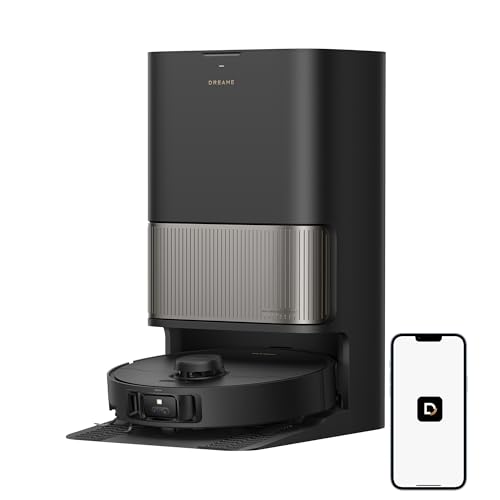
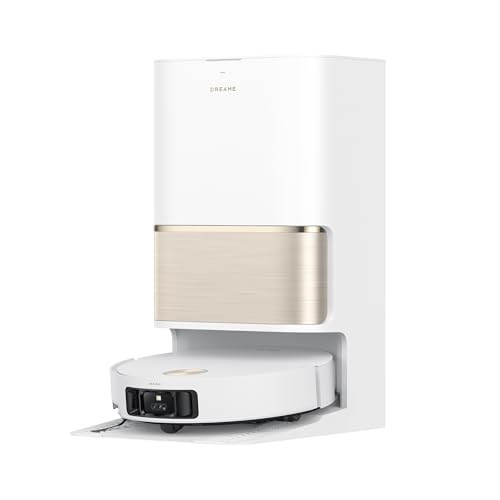
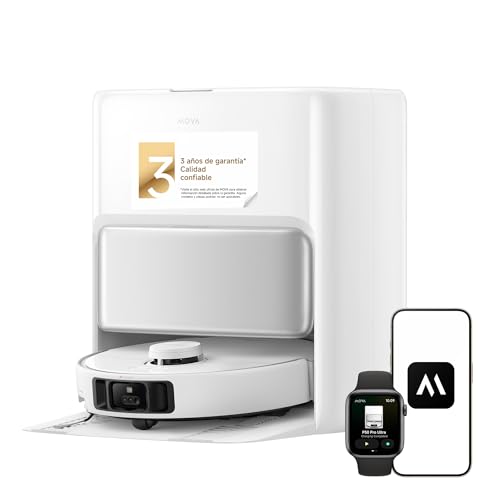
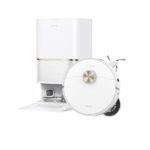
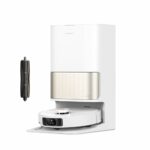
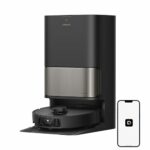
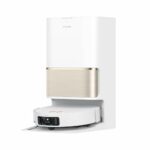
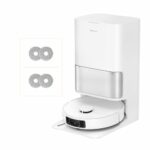
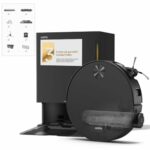
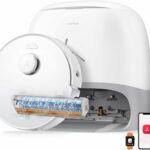
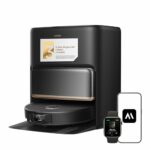
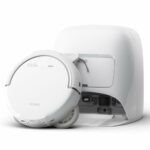
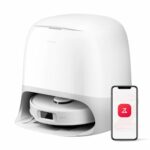
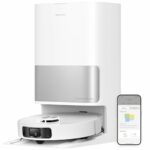
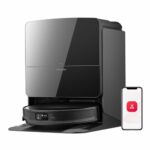
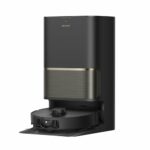
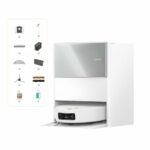
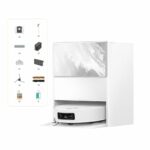
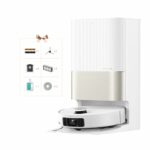
The three robots we're analysing belong to the 2025 high-end range and share cutting-edge technology in vacuuming and mopping. The Dreame L40s Pro Ultra and the Dreame L50 Pro Ultra represent Dreame's offering, whilst the Mova P50 Pro Ultra arrives as an alternative from the manufacturer's second brand. All three integrate a multifunctional base with hot water and hot air mop washing and drying, advanced navigation systems and suction power exceeding 19,000 Pa.
They're designed for homes where total maintenance automation is sought. The combination of high power, dual rotating mop and bases that wash with hot water positions them as complete solutions for homes with pets, mixed surfaces and users who prioritise professional results without manual intervention.
Power and Suction
Suction power marks a subtle but measurable difference. The Dreame L50 Pro Ultra leads with 19,500 Pa, exceeding the L40s Pro Ultra and the Mova P50 Pro Ultra by 500 Pa. In practice, this advantage can be noticed on medium-pile carpets or when there's accumulated ingrained dirt.
The main brushing system clearly separates the propositions. Both Dreame models mount a dual HyperStream brush, a design that minimises hair tangles by keeping two brushes anchored at one end. The Mova P50 Pro Ultra uses TriCut 3.0, which combines bristles with blades to cut long hairs. Both solutions are anti-tangle, but the approach differs: HyperStream prevents, TriCut cuts.
All three units raise the main brush during mopping to prevent moisture from deteriorating it. The side brush also raises and extends in all three cases, improving corner sweeping without dragging hairs towards the wet mops. This extendable function allows reaching corners that would be outside the action radius with fixed side brushes.
Mopping
The mopping system is practically identical across all three robots. All mount two rotating mops that extend to reach edges, include the Roboswing system to get the mop under furniture through lateral chassis movements, and raise the mops 10.5 mm when they detect carpets or when returning to the base after finishing mopping.
Dirt detection works in two ways: the mops are analysed during washing at the base to determine if they need more cleaning cycles, and the floor is evaluated in real time to reinforce mopping in dirtier areas. This combination allows the robot to automatically adjust intensity without manual intervention.
The bases of all three models wash the mops with hot water and dry them with hot air, which speeds up the process and reduces bad odours. Additionally, all three integrate third-generation self-cleaning in the washing tray and detergent tank. Automatic mop removal at the base allows programming vacuum-only sessions without having to remove them manually.
Navigation System
Here a relevant difference appears. The Dreame L50 Pro Ultra incorporates retractable LiDAR, which explains its reduced height of 89 mm. The other two models use conventional LiDAR turret and measure 103.8 mm. This difference of almost 15 mm can be decisive in homes with low furniture, sofas or beds with little clearance from the floor.
All three integrate dual camera with artificial intelligence, front 3D laser sensor and LED for night vision. Object recognition reaches 180 types in the Dreame L40s Pro Ultra and L50 Pro Ultra, compared to 160 in the Mova P50 Pro Ultra. This capability includes pet and curtain detection, preventing the robot from getting tangled or disturbing animals during cleaning.
Remote camera access is available on all three, allowing surveillance from the app. The CleanGenius algorithm manages intelligent cleaning in all cases. However, we only know the L50 Pro Ultra's processor: AI Sage 13.0 with 2 TOPS NPU, designed to accelerate image processing and real-time decision-making.
Autonomy and Battery
The Dreame L50 Pro Ultra's battery stands out with 6,400 mAh, 23% more than the 5,200 mAh of the L40s Pro Ultra and the Mova P50 Pro Ultra. Curiously, the declared autonomy is 200 minutes on the L50 Pro Ultra, slightly lower than the 220 minutes of the L40s Pro Ultra and the 210 minutes of the Mova P50 Pro Ultra.
This apparent contradiction is explained by the L50 Pro Ultra's higher suction power and the additional work of the AI Sage 13.0 processor. In practice, a larger battery offers greater margin in intensive sessions with maximum power or in large homes where vacuuming and mopping are combined in a single cycle.
Smart Functions
Obstacle-climbing capability is only specified on the Mova P50 Pro Ultra: 22 mm single threshold. The two Dreame models indicate they overcome single thresholds without specifying the exact height. This function is useful in homes with level differences between rooms, sliding door guides or thick rugs.
All three robots include their own voice assistant and compatibility with Alexa and Google Home. None mount a robotic arm, a function that only appears in experimental models from other brands and which isn't consolidated in the current market.
Multifunctional Cleaning Base
All three bases share a 3.2-litre dust bag capacity and 4.5-litre clean water tank on the Dreame models, compared to 4 litres on the Mova. The dirty water tank is 4 litres on the Dreame models and 3.5 litres on the Mova. These differences are minimal and don't significantly affect autonomy between refills.
An important distinction: the Dreame L40s Pro Ultra and L50 Pro Ultra offer an optional plumbing connection kit, which is purchased separately. The Mova P50 Pro Ultra doesn't have this option. For those seeking to completely eliminate tank maintenance, it's worth considering this possibility, although it involves additional installation and extra cost.
None of the three integrate UV disinfection or automatic mop changing. Third-generation tray self-cleaning is present in all, ensuring the washing area remains hygienic without manual intervention.
Dimensions
The Dreame L50 Pro Ultra measures 89 mm in height thanks to retractable LiDAR, allowing access under furniture where the other two models, at 103.8 mm, cannot enter. The diameter is identical on all three: 350 mm.
The L40s Pro Ultra and L50 Pro Ultra bases share dimensions: 340 mm wide, 590.5 mm high and 456.7 mm deep. The Mova P50 Pro Ultra base is wider (420 mm) but less tall (470 mm), with similar depth (458 mm). This configuration can facilitate its placement in low spaces but requires more lateral width.
Real-World Usage Experience
For homes with low furniture, the Dreame L50 Pro Ultra offers a clear advantage. Its 89 mm height allows it to access areas that remain off-limits for robots over 10 cm. In homes with sofas, beds or shelving with little clearance from the floor, this difference translates into greater cleaned surface without manual intervention.
Homes with pets benefit from all three units, although the Dreame models' dual HyperStream brush may require less maintenance than the Mova's TriCut 3.0. The L50 Pro Ultra's superior power helps with pet hair embedded in carpets or upholstery.
In large homes, the L50 Pro Ultra's 6,400 mAh battery provides greater assurance for completing full cycles without intermediate returns to the base. The 395 ml dust bin also reduces the frequency of automatic emptying in long sessions.
The Dreame models' optional plumbing connection kit is interesting for those who prioritise absolute automation, although it involves minor works and additional cost. The Mova P50 Pro Ultra doesn't contemplate this option, maintaining the traditional tank scheme.
Conclusion: Which to Choose?
Choose the Dreame L40s Pro Ultra if you're looking for balance between features and standard dimensions, you don't have height limitations under furniture and you value the future option of plumbing connection. Its 220-minute autonomy is the highest of the trio.
Choose the Dreame L50 Pro Ultra if you need to access under low furniture, you have a large home or pets that generate lots of dirt. The combination of retractable LiDAR, 6,400 mAh battery, AI Sage 13.0 processor and 19,500 Pa of power positions it as the most technically complete.
Choose the Mova P50 Pro Ultra if you prefer the TriCut 3.0 brush system, you don't need a plumbing connection kit and its base configuration (wider and less tall) better suits your space. The confirmed capability to overcome 22 mm may be relevant in homes with level differences.