✨ VS Analyze · VacuumSpain comparison technology. AI-generated explanation based on verified technical data.
Introduction
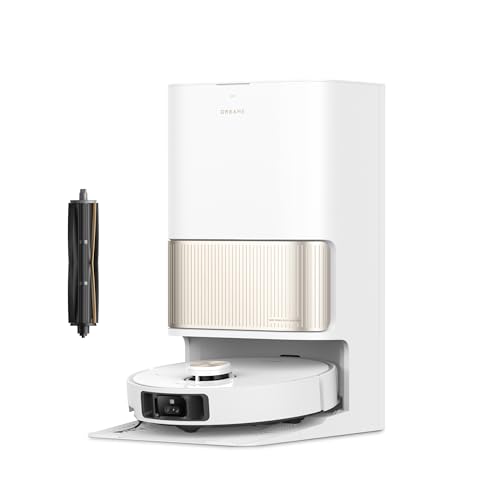
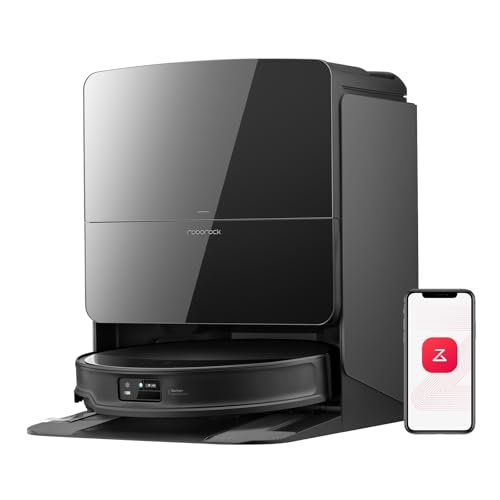
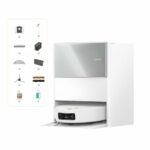
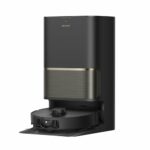
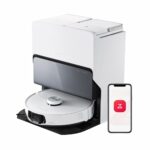
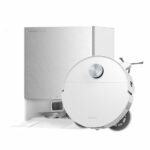
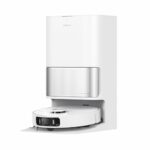
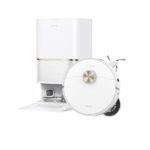
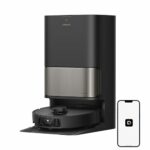
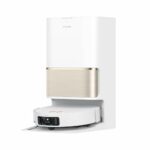
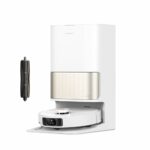
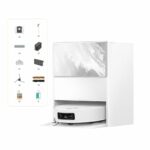
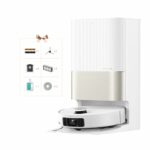
The Dreame L40 Ultra and Roborock Saros 10R represent two distinct approaches to premium robot vacuum technology. The Dreame model arrived in 2024 as a comprehensive cleaning solution with advanced mopping capabilities, whilst Roborock's 2025 release pushes boundaries with exceptional suction power and refined navigation systems. Both feature multifunctional bases that handle the complete cleaning cycle, making them suitable for users seeking minimal intervention in their daily cleaning routines.
These models target homeowners with medium to large properties who value automated floor care. The Dreame L40 Ultra focuses on balanced performance across vacuuming and mopping tasks, whereas the Roborock Saros 10R emphasises raw power and the latest navigation technology. Understanding their technical differences helps identify which suits specific household needs.
Power and Suction
The suction power difference between these robot aspirador models proves substantial. The Roborock Saros 10R delivers 18,500 Pa, significantly outperforming the Dreame L40 Ultra's 11,000 Pa. This gap becomes particularly relevant in homes with deep-pile carpets or persistent debris like pet litter.
Both employ sophisticated main brush designs. The Dreame features TriCut 3.0 technology, combining bristles with integrated cutting blades to slice through tangled hair. The Roborock uses its DuoDivide Anti-tangle system, which channels hair towards the central suction point to prevent wrapping around the roller. In practice, both approaches reduce maintenance frequency, though their mechanisms differ fundamentally.
Each robot aspirador lifts its main brush during mopping to prevent wet bristles from spreading dirt. The side brushes on both models extend to reach corners effectively and elevate when mopping to avoid flinging water droplets. Anti-tangle features apply to the side brushes as well, minimising hair accumulation during daily use.
Mopping Performance
Both systems use dual rotating mops that spin to scrub floors rather than simply dragging across surfaces. The Dreame L40 Ultra incorporates a movement mechanism alongside its mop extension, allowing the robot to manoeuvre the mops beneath furniture edges and skirting boards. The Roborock Saros 10R extends its mops outward but employs a different technical approach.
Mop elevation differs between models. The Dreame raises its mops 10.5 mm, whilst the Roborock achieves 12-22 mm lift. This greater clearance helps the Roborock navigate thicker rugs without dampening them.
Water temperature marks a notable distinction. The Dreame L40 Ultra uses cold water for mopping floors, whereas the Roborock Saros 10R employs warm water. Heated water typically loosens stubborn grime more effectively, which matters for kitchens or high-traffic areas.
Both bases wash mops with hot water and dry them using heated air to prevent odours and bacterial growth. Each model detects dirt on the mops themselves and on the floor surface, triggering additional cleaning passes when necessary. The automatic mop removal feature allows either robot to vacuum-only without manual intervention.
Navigation Systems
The Dreame L40 Ultra employs a third-generation LiDAR turret combined with dual AI cameras and frontal 3D laser sensors. Its CleanGenius AI system processes information from these inputs to plan efficient routes. The Roborock Saros 10R uses StarSight 2.0 navigation with dual cameras, 3D sensors, and the RR Mason 11.0 algorithm powered by an advanced CPU.
Object recognition capabilities differ slightly. The Roborock identifies 108 distinct obstacles, whilst the Dreame recognises 100. Both detect pets and can stream camera footage remotely, with LED illumination for low-light conditions. Only the Dreame L40 Ultra specifically detects curtains, adjusting its approach to avoid entanglement.
These sophisticated navigation systems enable both robots to map multiple floors, establish no-go zones, and adapt cleaning patterns based on room type. The AI-driven planning adjusts suction and water flow according to surface conditions.
Battery and Autonomy
The Roborock Saros 10R houses a 6,400 mAh battery, larger than the Dreame's 5,200 mAh capacity. Interestingly, the Dreame achieves 194 minutes of runtime compared to the Roborock's 180 minutes. This suggests more efficient power management in the Dreame model despite its smaller battery.
For typical homes, both provide ample autonomy. The slight runtime advantage of the Dreame might benefit properties exceeding 150 square metres, though both automatically return to their bases for recharging mid-clean if required.
Smart Features
Obstacle-climbing ability varies between these models. The Dreame L40 Ultra manages 22 mm thresholds, whilst the Roborock Saros 10R handles simple step obstacles without specifying an exact height. This capability determines whether the robots navigate between rooms with raised doorways or transition onto thick mats.
Both include proprietary voice assistants alongside compatibility with external systems like Alexa and Google Home. Users can issue cleaning commands, check status, or locate the robot using voice control.
Multifunctional Base Station
Each base automatically empties the robot's dust container, washes and dries the mops, and refills the water tank. Both feature second-generation self-cleaning systems for the wash tray, reducing manual maintenance.
The Dreame L40 Ultra provides a 3.2-litre dust bag, larger than the Roborock's 2.5-litre capacity. This translates to less frequent bag replacement, particularly valuable in homes with shedding pets. Water tank sizes favour the Dreame as well: 4.5 litres clean and 4 litres dirty water, compared to 4 litres and 3 litres respectively in the Roborock.
Both bases include detergent dispensers for enhanced mopping performance. Neither offers integrated plumbing connections, though the Dreame L40 Ultra supports an optional kit purchased separately. This accessory eliminates the need to manually refill clean water or empty dirty water tanks.
Dimensions
Height proves the most significant dimensional difference. The Roborock Saros 10R measures just 79.8 mm tall, allowing it to slip beneath low-clearance furniture that the 103.8 mm Dreame cannot access. This 24 mm difference determines whether the robot reaches under beds, sofas, or cabinets.
Diameter remains similar: 350 mm for the Dreame versus 353 mm for the Roborock. Both navigate standard doorways and furniture gaps without difficulty.
Base station footprints differ in configuration. The Dreame stands taller at 590.5 mm but narrower at 340 mm width, whilst the Roborock measures 488 mm high and 381 mm wide. The Roborock's lower profile may suit locations with overhead shelving, whereas the Dreame's slimmer width fits tighter spaces.
Real-World Usage Scenarios
For homes with thick carpets or multiple pets, the Roborock Saros 10R's superior suction power extracts embedded debris more effectively. Its lower profile also ensures comprehensive coverage beneath furniture where pet hair accumulates.
The Dreame L40 Ultra suits users prioritising extended runtime and larger water capacity. The bigger dust bag reduces maintenance frequency, whilst the optional plumbing kit appeals to those seeking truly hands-off operation over weeks rather than days.
Properties with varied flooring benefit from either model's intelligent surface detection, though the Roborock's warm water mopping may better tackle sticky kitchen spills on tile or sealed wood. The Dreame's curtain detection prevents entanglement in homes with floor-length drapes.
Both handle multi-storey homes through saved floor plans. Battery capacity supports most residential properties in a single charge, with automatic recharge and resume functions for larger spaces.
Conclusion: Which to Choose?
Choose the Dreame L40 Ultra if: You value longer runtime, larger dust and water capacities, and want the option to add plumbing connectivity later. It suits homes where maximising time between manual interventions matters, particularly with pets that shed heavily. The curtain detection benefits properties with full-length window treatments.
Choose the Roborock Saros 10R if: Maximum suction power and accessing low-clearance spaces are priorities. Its 79.8 mm height reaches areas the taller Dreame cannot, whilst the 18,500 Pa suction tackles demanding cleaning scenarios. The warm water mopping provides an edge on stubborn floor stains. This robot aspirador represents the latest 2025 technology for users seeking cutting-edge performance.
Both represent excellent choices in the mejor robot aspirador 2025 category. The decision ultimately rests on whether you prioritise the Roborock's raw power and compact height or the Dreame's capacity advantages and longer runtime. Neither disappoints in overall capability.