✨ VS Analyses · VacuumSpain comparison technology. Explanation created with AI from verified technical data.
Introduction
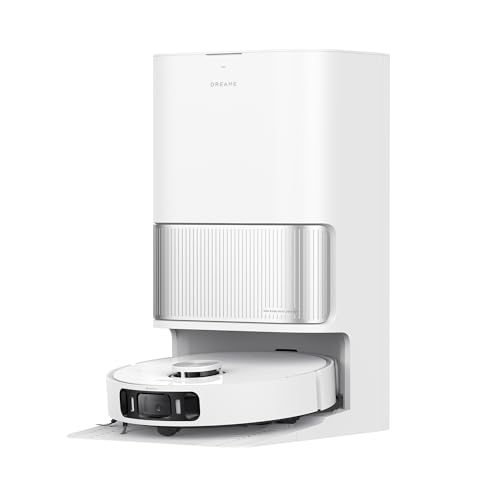
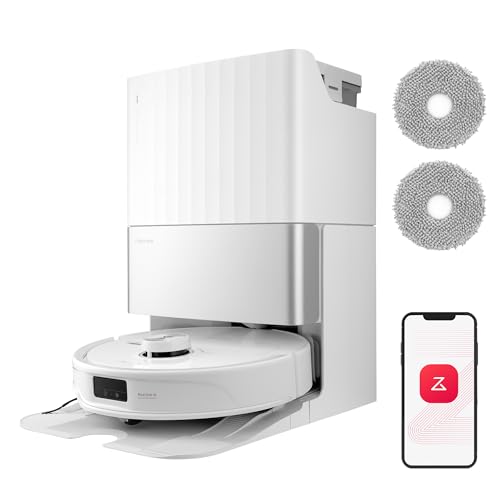
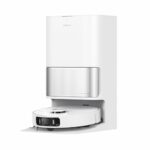
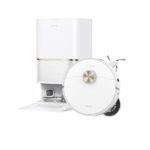
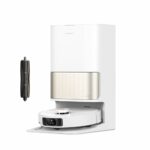
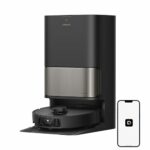
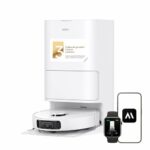
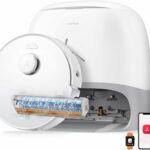
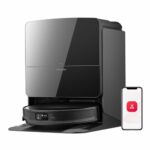
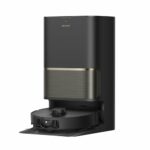
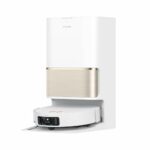
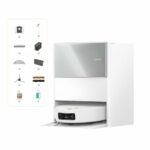
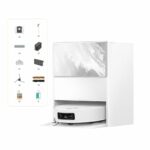
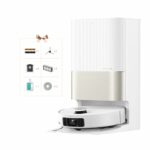
The Dreame L40 Ultra AE and the Roborock Qrevo Master represent two high-end proposals in robot vacuum cleaners with multifunction base, albeit with different technical approaches. The Dreame model arrives in 2025 focusing on superior suction power and greater tank capacity, whilst the Roborock Qrevo Master, launched in 2024, is distinguished by integrating dual artificial intelligence cameras and its own voice assistant. Both units are designed for homes seeking complete automation in both vacuuming and mopping, with bases that wash and dry the mops with water and hot air.
The choice between one or the other will depend on specific priorities: raw suction power, storage capacity or level of integrated artificial intelligence.
Power and Suction
The difference in suction power is striking. The Dreame L40 Ultra AE develops 19,000 Pa, almost double the 10,000 Pa of the Roborock Qrevo Master. In practice, this advantage translates into greater capacity to extract ingrained dirt from carpets or tile joints, especially relevant in homes with pets or high traffic.
The brushing system also presents differences. The L40 Ultra AE mounts a TriCut 3.0 brush, which combines bristles with blades to cut hair and reduce tangles. The Qrevo Master opts for a DuoDivide dual brush, designed to push hair towards the central suction gap and minimise tangles from another technical approach.
Both models raise the main brush during mopping to prevent it from getting wet. However, the Qrevo Master incorporates an extendable side brush, which improves sweeping in corners by bringing the brush closer to the edges. The L40 Ultra AE does without this function. Neither raises the side brush nor features an anti-tangle version specifically for this component.
Mopping
Both robots use rotating mop systems, but with nuances. The Dreame L40 Ultra AE employs two rotating mops with the Roboswing system, which allows the robot to perform a swaying movement to slightly introduce the mops under overhangs and furniture. The Roborock Qrevo Master also uses rotating mops with edge extension, although without that additional movement.
Mop lifting is almost identical: 10.5 mm on the L40 Ultra AE versus 10 mm on the Qrevo Master. Both values allow passing over thin carpets without wetting them. Both models detect dirt both on the mops and on the floor, activating rewashing or rescrubbing cycles when necessary.
Neither automatically removes the mops at the base to perform vacuuming only, and both mop the floor with cold water. The bases wash the mops with hot water and dry them with hot air, guaranteeing hygiene and absence of bad odours.
Navigation System
Both units mount a 3D LiDAR turret to map the home with precision. The main difference lies in the camera system. The Roborock Qrevo Master integrates dual artificial intelligence cameras, whilst the Dreame L40 Ultra AE features a single AI camera. This dual configuration on the Roborock can offer greater precision in object detection from different angles.
The Dreame recognises up to 120 different objects, almost double the 62 of the Roborock. This implies greater capacity to identify and avoid specific elements in the home. Both recognise pets, have a front 3D laser sensor, remote camera access and LED for night vision. Neither detects curtains specifically.
Regarding artificial intelligence, the L40 Ultra AE uses CleanGenius, whilst the Qrevo Master employs SmartPlan 1.0 together with the RR Mason 11.0 algorithm. Both systems adjust cleaning according to surface type and detected dirt level.
Autonomy and Battery
Both models are equipped with 5,200 mAh batteries. The Roborock Qrevo Master specifies an autonomy of 180 minutes, data that the Dreame L40 Ultra AE does not detail in its specifications. With that battery capacity, the Qrevo Master can cover large surfaces in a single cycle before returning to the base to recharge.
Neither provides information about charging time nor maximum recommended surface area in the available specifications.
Smart Functions
Both robots overcome obstacles up to 20 mm in height, sufficient to cross door thresholds or small level differences between rooms. This capability is especially useful in homes with different types of flooring or transitions between rooms.
The Roborock Qrevo Master incorporates its own voice assistant, allowing commands to be given directly to the robot without needing to use the app or external devices. The Dreame L40 Ultra AE does not include this function, although both are compatible with external voice assistants such as Alexa or Google Home.
Multifunction Cleaning Base
The bases of both models perform auto-emptying of the dust container, mop washing with hot water and drying with hot air. The most relevant difference lies in the self-cleaning of the washing tray. The Dreame L40 Ultra AE mounts a second-generation system, whilst the Roborock Qrevo Master uses version 1.0. This evolution in Dreame's system can translate into less need for manual maintenance.
The L40 Ultra AE includes a detergent tank in the base, dispensing product during mop washing. The Qrevo Master lacks this function. Additionally, Dreame offers an optional kit to connect the base directly to water plumbing, although it must be purchased separately and does not come integrated as standard.
In storage capacities, the Dreame surpasses the Roborock: dust bag of 3.2 litres versus 2.7, clean water tank of 4.5 litres versus 4, and dirty water tank of 4 litres versus 3.5. These differences mean greater autonomy between manual emptying and refilling, especially useful in large homes or with frequent cleaning.
Dimensions
The Dreame L40 Ultra AE measures 350 mm in diameter and 97 mm in height. The Roborock Qrevo Master has 353 mm in diameter and 103 mm in height. Those 6 mm less in height on the Dreame facilitate access under low furniture, sofas or beds with little clearance from the floor.
The internal dust container of the L40 Ultra AE reaches 395 ml, considerably larger than the 220 ml of the Qrevo Master. Both are equipped with an 80 ml water tank in the robot.
The bases present similar dimensions in width (340 mm both), but differ in height and depth. The Dreame base measures 590.5 mm high and 456.7 mm deep, whilst the Roborock reaches 521 mm high and 487 mm deep. The Qrevo Master base is lower but deeper, an aspect to consider depending on available space.
Real-World Usage Experience
For large homes, the Dreame L40 Ultra AE offers clear advantages: greater capacity in all base tanks, which reduces maintenance frequency. Its 19,000 Pa power also makes a difference on large surfaces with carpets or high-traffic areas.
In homes with pets, both models work well thanks to their anti-tangle brush systems and high suction power, although the Dreame stands out for its greater vacuuming force. The TriCut 3.0 brush and the DuoDivide dual brush address the hair problem from different philosophies, both effective.
The Roborock Qrevo Master is more interesting for those who value advanced artificial intelligence and direct voice control. Its dual camera and own voice assistant provide additional convenience in day-to-day use. The extendable side brush also improves cleaning in corners.
For passing under furniture, the Dreame L40 Ultra AE has an advantage with its 97 mm height versus the 103 mm of the Roborock. In spaces with low furniture, those millimetres can determine access to areas that would otherwise remain uncleaned.
Conclusion: Which to Choose?
Choose Dreame L40 Ultra AE if... you seek the maximum suction power available, you have a large home requiring greater autonomy between maintenance, you value the integrated detergent tank or need to pass under especially low furniture. Also if you prefer a more advanced tray self-cleaning system or contemplate the future possibility of connecting the base to plumbing.
Choose Roborock Qrevo Master if... you prioritise a more robust artificial intelligence system with dual camera, want direct voice control without using your mobile, value the extendable side brush for corners or prefer an established brand as a world reference in robot vacuum cleaners. Its more compact base in height can also be advantageous depending on available location.