✨ VS Analyses · VacuumSpain comparison technology. Explanation created with AI from verified technical data.
Introduction
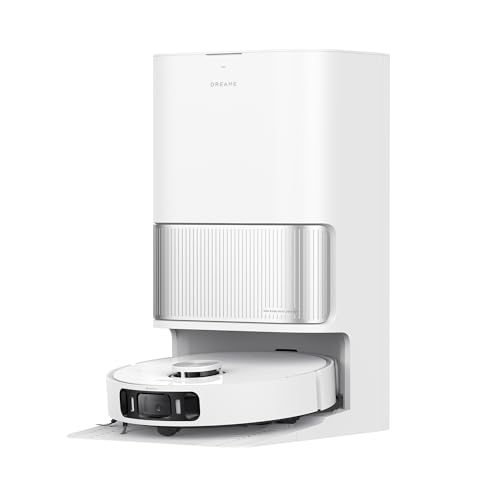
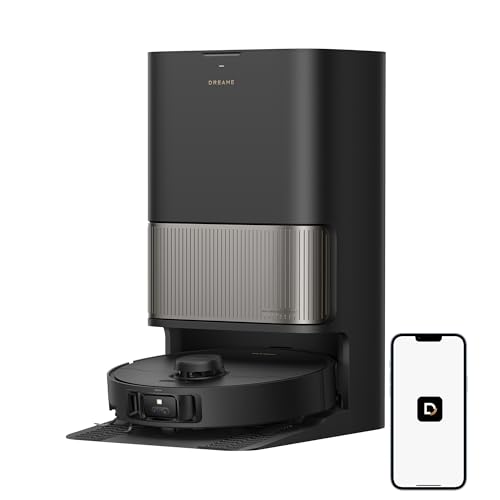
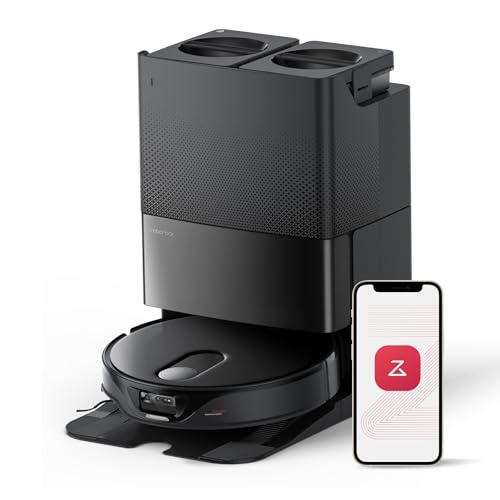
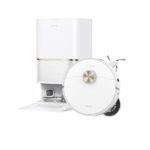
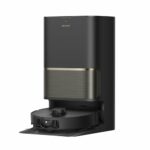
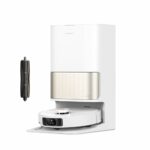
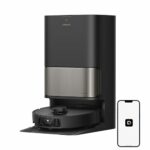
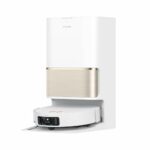
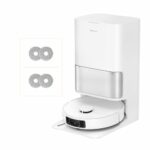
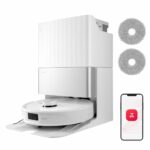
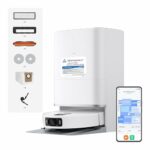
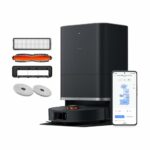
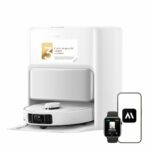
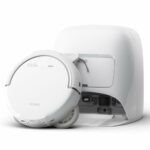
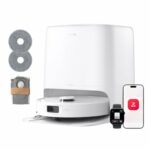
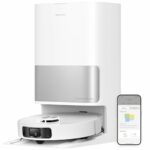
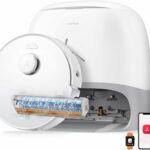
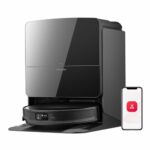
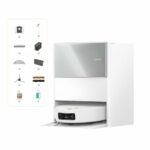
Choosing between premium robot vacuums from leading manufacturers requires understanding the nuances that separate similar models. The Dreame L40 Ultra AE and Dreame L40s Pro Ultra represent the brand's 2025 lineup, whilst the Roborock Qrevo Slim arrived in 2024 as a compact alternative. All three feature multifunction bases with mop washing and drying capabilities, making them suitable for homes seeking comprehensive automated cleaning.
The Dreame models share considerable DNA, particularly in suction power and battery capacity. The Qrevo Slim takes a different approach, prioritising a slimmer profile that fits under more furniture. For households with mixed flooring, pets, or simply limited time for manual cleaning, these robots offer varying degrees of automation and intelligence.
Suction power and brushing
Suction strength separates these models significantly. The Dreame L40 Ultra AE and L40s Pro Ultra both deliver 19,000 Pa, nearly double the Qrevo Slim's 11,000 Pa. In practice, this translates to better performance on carpets and when extracting debris from grout lines or textured flooring.
The brushing systems reveal important distinctions. The L40 Ultra AE uses Dreame's TriCut 3.0 brush, combining bristles with cutting blades to reduce hair tangles. The L40s Pro Ultra and Qrevo Slim employ dual-brush systems designed to channel hair towards the suction inlet. All three can lift their main brushes when mopping to avoid dragging dirt across wet floors.
Side brush capabilities matter for edge cleaning. The L40s Pro Ultra stands alone with an extendable side brush that reaches into corners, a lift mechanism to avoid dragging during mopping, and anti-tangle design. The Qrevo Slim has the extendable feature but lacks the lift and anti-tangle properties. The L40 Ultra AE offers none of these refinements, relying on a standard fixed side brush.
Mopping capabilities
All three robots use dual rotating mops with extension mechanisms for edge cleaning. The Dreame models include RoboSwing technology, which shifts the robot's rear to push mops slightly under furniture edges and skirting boards. This can make a noticeable difference when cleaning along walls.
Mop lift height is nearly identical: 10.5 mm for both Dreame units, 10 mm for the Qrevo Slim. Sufficient for most low-pile rugs, though deep-pile carpets still require the mops to be removed. Here the L40s Pro Ultra gains an advantage, as it can automatically dismount its mops at the base when you want to vacuum without mopping. The other two require manual removal.
Each model features dirt detection for both mops and floors, triggering additional cleaning passes when necessary. The bases wash mops with hot water at 70°C and dry them with warm air at 45°C for the Dreame models, whilst the Qrevo Slim uses 60°C hot water and 45°C warm air. The difference in washing temperature may affect how thoroughly stubborn stains lift from the mop pads themselves.
Base self-cleaning varies in generation. The L40s Pro Ultra has third-generation tray cleaning, the L40 Ultra AE second-generation, and the Qrevo Slim first-generation. Newer iterations typically mean better automation and less manual scrubbing of the base components.
Navigation systems
All three use LiDAR turrets for mapping and laser-based obstacle avoidance. The Dreame models feature 3D structured light sensors, as does the Qrevo Slim with its StarSight 1.0 system. LED illumination enables night-time navigation without relying solely on infrared.
Camera intelligence differs notably. The L40 Ultra AE has a single AI camera recognising 120 object types. The L40s Pro Ultra upgrades to dual cameras and 180 recognised objects, including curtain detection to avoid tangling. The Qrevo Slim sits in the middle with dual cameras but 73 object types. For homes with many floor-level items, cables, or pets, greater object recognition reduces intervention.
Remote camera access is available across all models, useful for checking on pets or monitoring rooms. Pet recognition ensures the robots navigate carefully around animals and their belongings.
Battery and autonomy
Battery capacity is identical at 5,200 mAh for all three. Runtime figures show the L40s Pro Ultra achieving 220 minutes, the Qrevo Slim 180 minutes, whilst the L40 Ultra AE doesn't specify. Longer runtime matters in larger homes where the robot may need to complete extensive mopping cycles without returning to recharge mid-clean.
The Dreame models carry larger onboard dust bins—395 ml for the L40 Ultra AE, 300 ml for the L40s Pro Ultra—compared to 220 ml on the Qrevo Slim. Water tank capacity is 80 ml for both Dreame units, 72 ml for Roborock. These differences become relevant if the robot can't return to the base frequently, though auto-empty and refill systems mitigate this.
Smart features
Obstacle climbing capability is 20 mm for the L40 Ultra AE and Qrevo Slim. The L40s Pro Ultra can handle simple steps beyond just raised thresholds, making it more versatile in split-level homes or properties with sunken rooms.
Voice assistant integration varies. The L40 Ultra AE lacks a built-in assistant, relying on Alexa or Google Home. The L40s Pro Ultra and Qrevo Slim include proprietary voice assistants alongside external compatibility, allowing direct commands without smart speakers.
AI-driven cleaning intelligence appears on all models: CleanGenius on the Dreame units, SmartPlan on Roborock. The L40s Pro Ultra adds AI stain recognition, automatically identifying and targeting specific marks for intensive cleaning.
Multifunction base
Each base auto-empties dust, washes mops with hot water, and dries them with warm air. Dust bag capacity favours Dreame at 3.2 litres versus 2.7 litres for Roborock. Clean water tanks hold 4.5 litres for Dreame, 4 litres for Roborock. Dirty water capacity is 4 litres and 3.5 litres respectively. Larger tanks mean less frequent refilling and emptying, particularly valuable for extensive mopping sessions.
Detergent dispensers are present on both Dreame bases but absent on the Qrevo Slim. Automatic detergent dosing during mop washing improves cleaning results without manual intervention. Both Dreame models offer optional plumbing connection kits, purchased separately, for hands-free water management. Roborock doesn't provide this option.
Physical dimensions
Height is where the Qrevo Slim earns its name. At 82 mm, it fits under furniture that the 97 mm L40 Ultra AE cannot, and certainly beneath spaces inaccessible to the 103.8 mm L40s Pro Ultra. This 15–22 mm difference determines whether the robot cleans under beds, sofas, and cabinets or leaves those areas untouched.
Diameter is nearly identical: 350 mm for both Dreame units, 353 mm for Roborock. Base dimensions show the Dreame stations measuring 340 mm wide, 590.5 mm tall, and 456.7 mm deep. The Qrevo Slim base is shorter at 521 mm but deeper at 487 mm. Consider available floor space and whether the base fits into cupboards or alcoves.
Real-world performance
For larger homes, the L40s Pro Ultra's 220-minute runtime and 19,000 Pa suction handle extended cleaning cycles effectively. Its ability to dismount mops suits households wanting to vacuum daily but mop less frequently. The extendable, liftable side brush improves edge cleaning in kitchens and bathrooms where debris accumulates along skirting.
Homes with low furniture benefit enormously from the Qrevo Slim's 82 mm height. The trade-off is lower suction and smaller tanks, acceptable in smaller properties or where carpets are minimal. Pet owners with long-haired animals may prefer the dual-brush systems on the L40s Pro Ultra or Qrevo Slim over the TriCut 3.0, depending on hair type and shedding patterns.
The L40 Ultra AE offers strong suction and generous tank capacities at presumably lower cost than the Pro model. It lacks some refinements—no side brush extension, single camera, no mop dismounting—but covers core functions well. For straightforward homes without complex layouts or abundant obstacles, it's entirely capable.
Detergent dispensing on the Dreame models enhances mopping quality, especially on tiled or vinyl floors prone to sticky residues. The Qrevo Slim requires manual detergent addition to the water tank, less convenient but manageable.
Conclusion: which to choose?
Choose the Dreame L40 Ultra AE if you want powerful suction and large tank capacities without paying for the most advanced features. Suitable for homes with standard furniture heights, mixed flooring, and moderate obstacle density. The second-generation base cleaning and TriCut 3.0 brush handle everyday messes competently.
Choose the Dreame L40s Pro Ultra if you need the most comprehensive automation available. The extendable, liftable side brush, dual AI cameras with 180 object recognition, mop dismounting, and step-climbing ability make it ideal for complex homes with pets, varied flooring, and users wanting minimal intervention. The third-generation base cleaning and AI stain recognition justify the premium for those seeking cutting-edge performance.
Choose the Roborock Qrevo Slim if fitting under furniture is paramount. Its 82 mm height accesses spaces the Dreame models cannot, perfect for homes with low-clearance beds, sofas, and cabinets. Best suited to smaller properties where 11,000 Pa suction and 180-minute runtime suffice, and where you're comfortable manually adding detergent. The compact base footprint also appeals where storage space is limited.