✨ VS Analyses · VacuumSpain comparison technology. Explanation created with AI from verified technical data.
Introduction
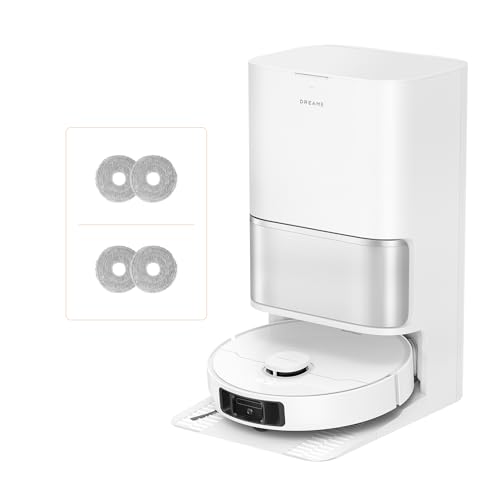
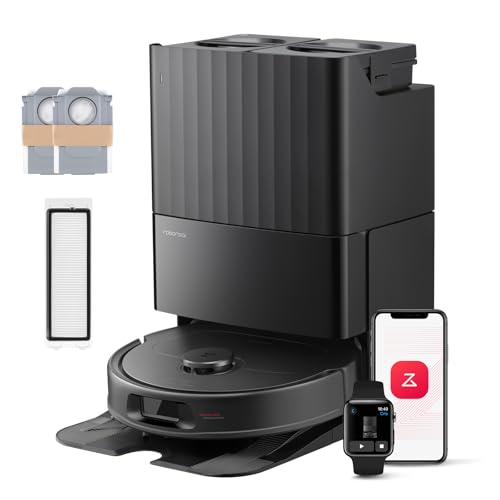
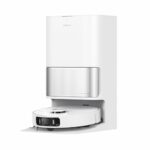
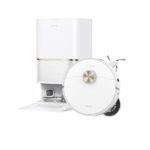
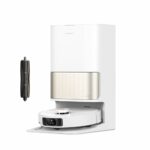
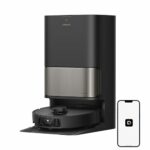
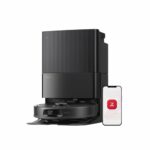
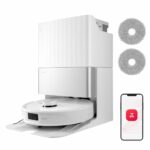
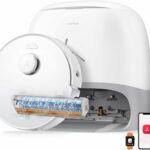
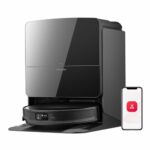
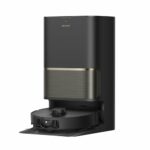
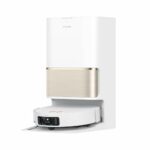
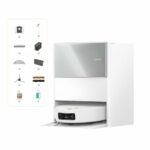
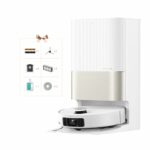
When it comes to choosing a Dreame robot vacuum or considering alternatives from other brands, the difference between generations can determine the direction of the decision. The Dreame L10s Ultra Gen 2, launched in 2024, established the foundations of a mid-to-high range with comprehensive features. Its direct evolution, the Dreame L10s Ultra Gen 3 from November 2025, arrives with specific improvements that don't radically change the concept but do refine key aspects. Against them, the Roborock QV 35S from 2025 represents the proposal of a brand recognised worldwide for its reliability and software quality.
All three models share the philosophy of a complete multifunctional base: auto-emptying, mop washing and drying. They're designed for users seeking real convenience and who don't want to worry about daily maintenance. However, differences in power, battery life, sweeping systems and some base details can tip the balance depending on each household's needs.
Power and Suction
Here we find the most striking difference in this robot vacuum comparison. The Dreame L10s Ultra Gen 3 jumps to 25,000 Pa of suction power, more than double its predecessor and the Roborock QV 35S, both with 10,000 Pa. This increase isn't cosmetic: in practice it translates to greater capacity to lift ingrained dirt, pet hair tangled in carpets and fine particles in tile joints.
All three robots mount a simple main brush, without advanced anti-tangle technologies like HyperStream or DuoDivide. None lifts the main brush during mopping, something common in this price range. Where differences do appear is in the side brush. The Gen 3 debuts an extendable side brush, which projects towards corners to sweep these difficult areas more effectively. The Gen 2 lacks this function.
The Roborock robot vacuum, on the other hand, opts for an anti-tangle side brush, a design that reduces the accumulation of long hairs and facilitates maintenance. Both Dreame models don't incorporate this feature in the side brush. None of the three lifts the side brush during mopping, a detail worth bearing in mind if you're looking for maximum cleanliness on delicate floors.
Mopping
All three units use a dual rotating mop system, the current standard for effective mopping. Mop lifting is present in all: 10.5 mm in the Dreame models and 10 mm in the Roborock. Sufficient to climb onto short-pile carpets without wetting them, although not for thick carpets.
Mop extension marks an important difference. Both the Gen 2 and Gen 3 incorporate the Roboswing system, which allows the robot to make a lateral movement to get the mop under skirting boards and low furniture. The Roborock QV 35S doesn't have this function, which limits its mopping capacity at edges. For homes with lots of furniture against the wall, this can be particularly noticeable.
None of the three mops with hot water from the robot's tank, all use cold water. Nor do they automatically remove the mops at the base to perform vacuum-only passes, or detect dirt on the mops or floor to adjust mopping intensity. These functions are usually reserved for higher ranges.
Navigation System
All three robots mount a LiDAR turret to map the home and navigate with precision. All have obstacle avoidance, but the implementation varies. Both Dreame models integrate a front 3D laser sensor, which improves detection of low objects and reduces the risk of collisions. The Roborock QV 35S doesn't feature this sensor.
Another differentiating aspect: the Dreame models recognise pets, a useful function for identifying food bowls, toys or areas where animals usually rest. The Roborock lacks this capability. None of the three incorporates an AI camera, front LED for night vision, remote camera access or specific curtain detection.
Regarding intelligent cleaning, the Dreame models employ CleanGenius, whilst the Roborock uses SmartPlan. Both systems adjust routes and power according to floor type and detected dirt level, although neither recognises specific stains using AI. The exact number of recognised obstacles isn't specified in the available technical data.
Battery Life and Battery
Battery capacity is identical in all three: 5,200 mAh. However, actual battery life differs. The Dreame L10s Ultra Gen 2 reaches 240 minutes, the Gen 3 drops slightly to 231 minutes (probably due to the increase in suction power), and the Roborock QV 35S stays at 180 minutes.
This one-hour difference between the Gen 2 and the Roborock can be decisive in large homes. In flats of up to 100-120 m² any of the three completes cleaning without problems. But in houses of 150 m² or more, the Gen 2 offers greater margin to finish without intermediate recharges. The Gen 3, despite its greater power, maintains battery life very similar to the Gen 2.
Smart Features
All three robots overcome obstacles up to 20 mm in height, sufficient capacity to overcome most transitions between rooms and small level changes. None incorporates a robotic arm or its own voice assistant, functions that remain in premium segments. All are compatible with external assistants like Alexa and Google Home, allowing basic voice control.
Multifunctional Cleaning Base
Here appears an exclusive improvement of the Dreame L10s Ultra Gen 3: third-generation washing tray self-cleaning. This function automatically washes the tray where the mops are cleaned, reducing the accumulation of dirt and bad odours. Neither the Gen 2 nor the Roborock QV 35S include this feature, requiring manual cleaning of the tray from time to time.
All three models wash the mops with cold water and dry them with hot air, an effective system to prevent odours and bacterial proliferation. Both Dreame models incorporate a detergent tank in the base, which dispenses product during mop washing. The Roborock doesn't have this tank, limiting itself to washing with water only.
In capacities, the Dreame models share figures: 3.2-litre dust bag, 4.5-litre clean water tank and 4-litre dirty water tank. The Roborock has a 2.7-litre bag, 4-litre clean water tank and 3.5-litre dirty water tank. Minor differences that in practice translate to similar emptying frequencies for most households.
Both Dreame models offer an optional plumbing connection kit, which is purchased separately and allows automatic filling and emptying of tanks. The Roborock doesn't have this option. None of the three comes with integrated factory connection or UV disinfection.
Dimensions
The Dreame L10s Ultra Gen 2 and Gen 3 are identical: 350 mm diameter and 97 mm height. The Roborock QV 35S measures 353 mm diameter and 96.5 mm height. Millimetric differences that don't affect the ability to pass under furniture. All three are around the usual limit for sofas and beds, it's advisable to measure beforehand if clearance is tight.
The Dreame bases measure 340 mm wide, 590-590.5 mm high and 456.7-457 mm deep. The Roborock's is the same width (340 mm), but is lower (521 mm) and deeper (487 mm). For spaces with low shelving or auxiliary furniture, the Roborock base may fit better. If space is limited in depth, the Dreame models take up slightly less.
Real-World Experience
The Gen 3's power jump makes it the best option amongst these three for homes with medium-pile carpets or pets that shed a lot of hair. The 25,000 Pa makes a real difference on adhered dirt. The extendable side brush reinforces sweeping in corners, an area where dust usually accumulates.
The Gen 2, with 240 minutes of battery life, is particularly suitable for large homes where completing cleaning without interruptions is valued. Its 10,000 Pa power is sufficient for hard floors and thin carpets, although it falls short compared to the Gen 3 under high demand.
The Roborock QV 35S stands out for its anti-tangle side brush, a clear advantage if there's long hair at home. Its lower battery life makes it more suitable for flats up to 100 m². The absence of mop extension and front 3D sensor somewhat limits its performance in edge mopping and low obstacle detection. The more compact base in height facilitates its placement in spaces with low furniture.
The Gen 3's tray self-cleaning reduces manual maintenance, an aspect that adds long-term convenience. The Dreame models' detergent tank improves mop washing, although it's not essential if you prefer to use only water. The Dreame models' pet recognition provides precision in homes with animals, avoiding sensitive areas.
Conclusion: Which to Choose?
Choose the Dreame L10s Ultra Gen 2 if you're looking for the best balance between battery life and price in this robot vacuum comparison. Its 240 minutes of battery make it ideal for large houses where completing cleaning in one go is a priority. Mop extension with Roboswing improves edge mopping, and the front 3D sensor provides precision in navigation. Suitable for those who value comprehensive features without needing maximum suction power.
Choose the Dreame L10s Ultra Gen 3 if you have medium-pile carpets, pets that shed a lot of hair or difficult dirt to lift. The 25,000 Pa of suction is its great asset, along with the extendable side brush and third-generation tray self-cleaning. It combines the highest power of the three with reduced maintenance. Perfect for users seeking the best Dreame robot vacuum in cleaning performance and ease of use.
Choose the Roborock QV 35S if you prioritise the anti-tangle side brush and trust Roborock's reputation as a world-leading brand. Its lower base fits better in spaces with auxiliary furniture. Suitable for flats up to 100 m² without thick carpets or the need to mop edges with maximum precision. The Roborock app is a benchmark in the sector, a factor that can tip the balance if software experience is particularly valued.