✨ VS Analyses · VacuumSpain comparison technology. Explanation created with AI from verified technical data.
Introduction
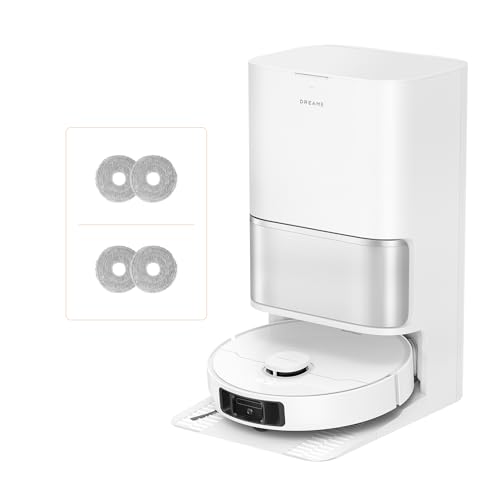
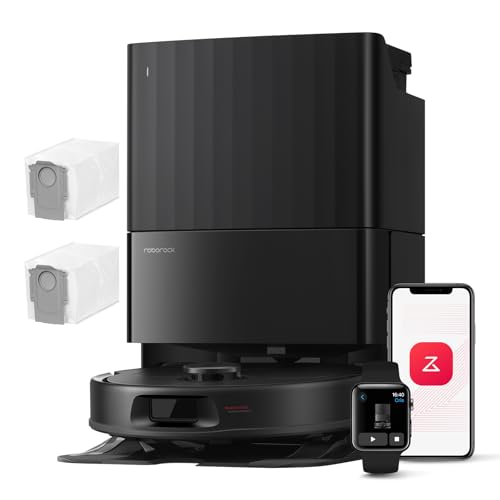
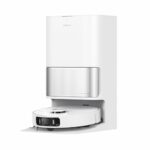
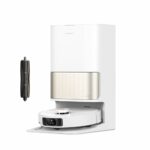
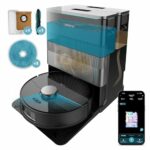
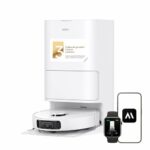
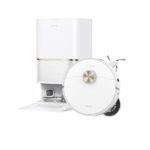
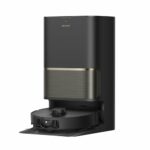
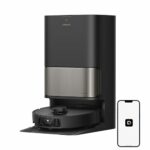
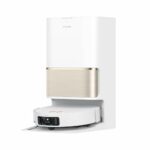
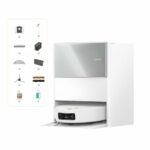
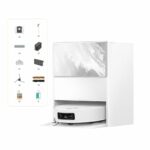
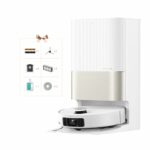
The Dreame L10s Ultra Gen 3 arrives in November 2025 as a premium proposition from a brand that has built its reputation on delivering competitive features at accessible prices. This is a complete cleaning solution with a multifunction base that handles both vacuuming and mopping tasks with minimal user intervention. The Roborock QV 35A, also from 2025, represents the established market leader's approach to automated home cleaning, combining proven reliability with Roborock's well-regarded app ecosystem.
Both models feature multifunction bases that automatically empty dust, wash mops, and dry them after cleaning. They're designed for users who want a hands-off cleaning experience across mixed flooring types. The Dreame model pushes specifications higher in several areas, whilst the Roborock focuses on refined execution and brand heritage. For anyone researching which robot vacuum to choose in 2025, understanding how these two compare reveals quite different philosophies in design and capability.
Power and Suction
The difference in raw suction power between these models is substantial. The Dreame L10s Ultra Gen 3 delivers 25,000 Pa, which places it firmly in the upper tier of current robot vacuum specifications. The Roborock QV 35A offers 8,000 Pa, which is adequate for most residential cleaning but represents a different performance bracket entirely.
In practical terms, higher suction matters most on carpets and rugs, where embedded dirt and pet hair require more extraction force. Hard floors don't demand the same power levels, though it helps with larger debris pickup. Both models use a standard main brush design without anti-tangle features, so homes with long hair or shedding pets will need regular maintenance regardless of suction strength.
The side brush configuration reveals another distinction. The Dreame includes an extendable side brush that reaches further into corners and along skirting boards during cleaning. The Roborock QV 35A uses a fixed side brush but incorporates anti-tangle design to reduce hair wrap. Neither model offers side brush elevation during mopping, so both brushes remain active throughout the cleaning cycle.
Battery capacity matches at 5,200 mAh across both robots, yet the Dreame achieves 231 minutes of runtime compared to 180 minutes on the Roborock. This likely reflects the different power management systems and the fact that the Roborock's lower suction may not translate directly into longer operation if other systems draw more power.
Mopping
Both robots employ dual rotating mops for floor washing, but the Dreame L10s Ultra Gen 3 adds mop extension functionality. This system uses the RoboSwing mechanism to push one mop outward during edge cleaning, allowing better coverage along walls and under slight overhangs. The Roborock QV 35A keeps both mops in a fixed position throughout mopping.
Mop lift height differs marginally: 10.5 mm on the Dreame versus 10 mm on the Roborock. This small difference rarely matters in real-world use, as both can clear most low-pile rugs and transition strips without dragging wet mops across them. Neither model automatically detaches mops at the base when switching to vacuum-only mode, so manual removal is needed if you want to avoid carrying mops into carpeted rooms.
The multifunction bases handle mop washing with cold water on both models. After cleaning, the Dreame dries mops using heated air, which accelerates drying time and helps prevent odours or bacterial growth. The Roborock relies on cold air drying, which takes longer and may not fully dry mops in humid conditions. This becomes more noticeable if the robot runs daily or multiple times per day.
The Dreame's base includes third-generation tray self-cleaning, where the base automatically cleans its own washing tray to prevent residue buildup. The Roborock QV 35A requires manual tray cleaning. There's also a detergent dispenser on the Dreame, allowing automatic dosing of cleaning solution during mop washing. The Roborock doesn't include this, so you'll use plain water unless you manually add detergent to the clean water tank.
Neither robot offers dirt detection in mops or floors, so they won't automatically rewash or rescrub heavily soiled areas. Mopping follows the programmed routine without adaptive adjustments.
Navigation System
Both models use 3D LiDAR turrets for mapping and navigation, providing accurate room layouts and efficient cleaning paths. Obstacle avoidance is present on both, but the Dreame L10s Ultra Gen 3 adds a 3D laser sensor at the front for more precise detection of low-lying objects. The Roborock QV 35A does not include this additional sensor.
The Dreame also features pet recognition, which can identify animals and adjust behaviour accordingly—useful in homes where pets might be startled or where you want to avoid disturbing sleeping animals. The Roborock lacks this specific recognition capability.
Neither robot includes an AI camera, LED lighting for night vision, or remote camera access. Curtain detection is absent on both, so hanging fabric near the floor may still cause entanglement issues.
AI-driven cleaning intelligence appears on both: the Dreame uses CleanGenius AI whilst the Roborock employs SmartPlan 1.0. These systems optimise cleaning routines based on room usage and dirt levels learned over time, though the exact algorithms differ between brands.
Battery and Autonomy
With identical 5,200 mAh batteries, the Dreame manages 231 minutes of operation compared to 180 minutes on the Roborock. This gives the Dreame a clear advantage in larger homes or when running extended cleaning cycles without recharging.
Charging times aren't specified in the data, but longer runtime generally means the Dreame can cover more ground in a single session. For homes over 150 square metres, this extended autonomy reduces the likelihood of mid-clean returns to the base.
Smart Features
Both robots can climb obstacles up to 20 mm, which handles most door thresholds and thick rugs without issue. Neither includes a robotic arm or proprietary voice assistant, though both integrate with Alexa and Google Home for voice control through external assistants.
The smart features focus more on navigation and cleaning intelligence than on physical manipulation or conversational interaction. This keeps complexity and potential failure points lower.
Multifunction Base
The bases handle auto-emptying, mop washing, and mop drying, but with notable differences. The Dreame's dust bag holds 3.2 litres versus 2.7 litres on the Roborock, meaning fewer bag changes over time. Clean water capacity is 4.5 litres on the Dreame and 4 litres on the Roborock; dirty water tanks measure 4 litres and 3.5 litres respectively. These differences aren't dramatic but do add up over weeks of use.
The Dreame base includes heated air drying and automatic tray self-cleaning, both absent on the Roborock. There's also a detergent dispenser on the Dreame for automated cleaning solution use during mop washing.
Neither base offers UV disinfection or integrated plumbing connections. The Dreame does have an optional kit available for purchase separately to connect to water supply and drainage, but this isn't included as standard and shouldn't heavily influence the comparison.
Dimensions
The robots themselves are nearly identical in size. The Dreame measures 350 mm in diameter and 97 mm tall; the Roborock is 353 mm wide and 96.5 mm high. Half a millimetre difference in height is irrelevant in practice—both will fit under furniture with around 10 cm clearance.
Base dimensions differ more noticeably. The Dreame base stands 590 mm tall but only 457 mm deep, whilst the Roborock measures 521 mm high and 487 mm deep. The Dreame base is taller but takes up less floor space front-to-back, which may suit tighter alcoves or corners better. Width matches at 340 mm for both.
Dust and water tank sizes in the robots are nearly identical: 300 ml dust capacity on the Dreame versus 330 ml on the Roborock, with both holding 80 ml of water. These small onboard tanks matter less when the base handles most storage.
Real-World Use
For larger homes, the Dreame L10s Ultra Gen 3 offers clear advantages: higher suction, longer battery life, and a bigger dust bag mean less frequent intervention. The extendable side brush and mop extension improve coverage in corners and along edges, which adds up across bigger floor areas.
Homes with pets benefit from the Dreame's higher suction and pet recognition, though the lack of anti-tangle brushes on both models means regular maintenance is unavoidable. The Roborock's anti-tangle side brush helps slightly but doesn't eliminate the issue entirely.
If you prioritise mopping performance, the Dreame's heated mop drying, detergent dispenser, and automatic tray cleaning reduce maintenance and improve hygiene. The RoboSwing edge mopping reaches areas the Roborock simply can't access as effectively.
The Roborock QV 35A suits users who value brand reliability and a proven app experience. Roborock's reputation for dependable operation and responsive software support remains strong, and the lower suction may suffice in homes without heavy carpet or persistent dirt challenges.
For flats or smaller homes under 100 square metres, the Roborock's 180-minute runtime is adequate, and the smaller dust bag won't fill as quickly. The simpler base maintenance might appeal to users who prefer straightforward operation without additional features to manage.
Conclusion: Which to Choose?
Choose the Dreame L10s Ultra Gen 3 if: you have a larger home where extended battery life and higher suction matter; you want comprehensive mopping with edge extension and heated drying; you live with pets and appreciate recognition features; you prefer maximum automation including detergent dispensing and tray self-cleaning; you value the latest specifications and don't mind a taller base.
Choose the Roborock QV 35A if: you prioritise brand heritage and proven reliability; your home is smaller and doesn't require extreme suction or extended runtime; you prefer a lower-profile base with greater depth; you're comfortable with simpler maintenance routines; you trust Roborock's established app ecosystem and customer support; you don't need mop extension or heated drying.
The Dreame pushes harder on specifications and features, making it the better robot vacuum for demanding environments and users who want every advantage. The Roborock offers a more measured approach with solid fundamentals and the confidence that comes from an established market leader. Your choice depends on whether you need the extra capability or prefer proven reliability.