✨ VS Analyses · VacuumSpain comparison technology. Explanation created with AI from verified technical data.
Introduction
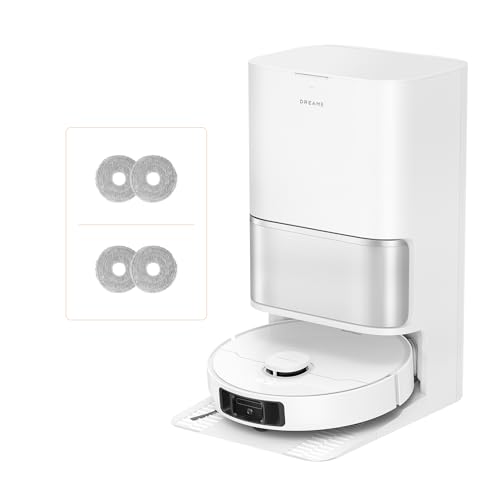
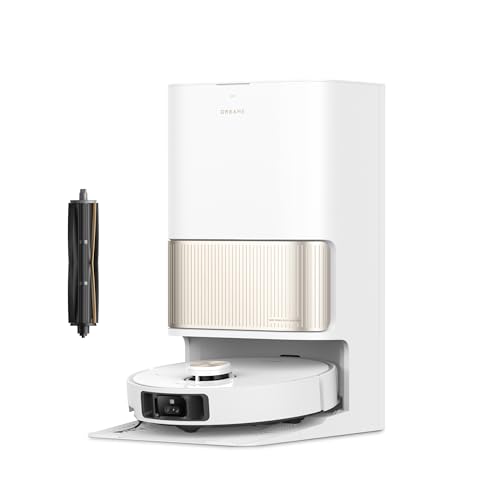
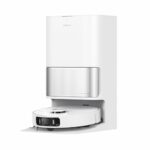
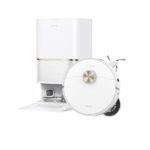
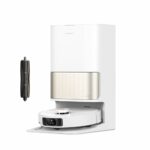
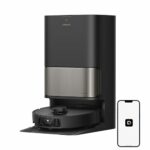
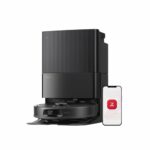
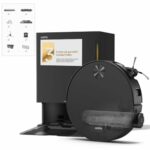
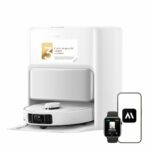
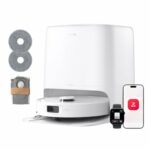
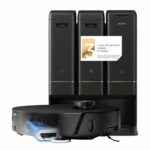
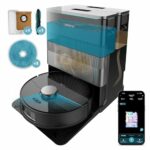
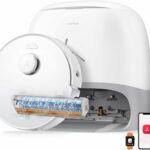
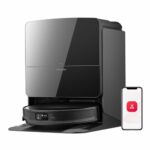
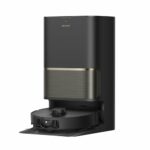
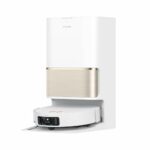
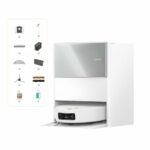
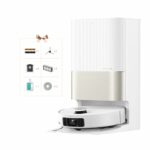
The Dreame L10s Ultra Gen 2 and L10s Ultra Gen 3 represent two generations of the same product line, with the Gen 2 launched in 2024 and the Gen 3 arriving in November 2025. These models sit alongside the Dreame L40 Ultra, also from 2024, which positions itself as a more advanced option within the manufacturer's catalogue. All three feature multifunction bases that handle automatic dust emptying, mop washing with hot water, and drying with warm air—essential for maintaining genuinely clean mops throughout the cleaning cycle.
The differences between them aren't immediately obvious from their names, but the specifications reveal distinct approaches. Whilst the two Gen models share similar foundations, the L40 Ultra introduces features typically reserved for premium segments. Understanding which suits your home depends largely on how much you value cutting-edge navigation technology versus raw suction power, and whether you need the extra convenience that comes with advanced automation.
Power and Suction
Here's where the generational leap becomes most apparent. The L10s Ultra Gen 2 operates at 10,000 Pa, which handles everyday dust and debris without issue. The L40 Ultra steps up to 11,000 Pa, offering a modest improvement. Then comes the Gen 3 with its 25,000 Pa—a genuinely substantial increase that makes short work of ground-in dirt, pet hair embedded in rugs, and the kind of stubborn debris that lesser machines struggle with.
All three use Dreame's SimpliCut brush system on the Gen models, designed to reduce hair tangles. The L40 Ultra switches to TriCut 3.0, which combines bristles with cutting blades to actively slice through tangled hair. In homes with long-haired occupants or shedding pets, this can make a noticeable difference to maintenance frequency.
The L40 Ultra takes things further with brush elevation. Its main brush lifts during mopping to avoid dragging dirt across wet floors, and the side brush also raises to prevent flicking water onto carpets. The Gen 2 and Gen 3 lack this refinement, though both still perform adequately in mixed-floor environments. What the Gen 3 does offer is an extendable side brush—shared with the L40 Ultra—that reaches further into corners and along skirting boards. The Gen 2 misses out on this feature entirely.
Mopping Performance
All three models use rotating dual mops with extension arms that push outwards to reach edges—Dreame's RoboSwing system that allows the robot to shift its weight and push mops slightly under furniture overhangs. Mop elevation reaches 10.5 mm across the board, enough to traverse most carpet transitions without soaking the pile.
The multifunction bases wash mops with hot water and dry them using warm air, which helps prevent odours and bacterial growth. Both Gen models and the L40 Ultra include detergent dispensers, releasing cleaning solution during the mop-washing cycle. This keeps the mops genuinely clean rather than simply rinsing them with plain water.
The L40 Ultra distinguishes itself with automatic mop removal at the base. When you want to run a vacuum-only session, the robot parks, detaches its mops, and proceeds without them—no manual intervention required. The Gen models don't offer this, so you'll need to remove mops yourself if you want to avoid dragging damp pads across carpets.
Dirt detection also separates the L40 Ultra from its siblings. It monitors mop cleanliness during operation and returns to the base for additional washing if sensors detect excessive grime. It also identifies particularly dirty patches on floors and increases cleaning intensity accordingly. The Gen 2 and Gen 3 lack these sensors, following their programmed routines without adaptive adjustments.
Navigation System
LiDAR navigation features on all three, mapping rooms accurately and planning efficient cleaning routes. Each includes a front-facing 3D laser sensor for obstacle detection, recognising furniture legs, shoes, and other floor-level hazards. Pet recognition works across the range, identifying animals and adjusting behaviour to avoid startling them or getting tangled in leads.
The L40 Ultra adds dual AI cameras to this foundation, processing visual information to recognise over 100 different object types. This includes curtains—the robot detects hanging fabric and avoids becoming entangled. LED lighting enables night vision, so the cameras function effectively in dark rooms. You can also access the camera feed remotely through the app, checking on your home or pets whilst you're out.
Neither Gen model includes cameras. They rely purely on laser-based navigation, which works reliably but without the contextual understanding that visual AI provides. For most homes this makes little practical difference, though the L40 Ultra's ability to identify specific objects does reduce the need to pre-tidy before running a cleaning cycle.
Battery and Autonomy
Battery capacity sits at 5,200 mAh across all three models. Runtime varies: the Gen 2 manages 240 minutes, the Gen 3 runs for 231 minutes, and the L40 Ultra achieves 194 minutes. The Gen 3's reduced runtime despite identical battery capacity likely reflects the power demands of its 25,000 Pa suction. The L40 Ultra's shorter duration stems from its additional sensors and processing requirements.
In practical terms, even the L40 Ultra's 194 minutes covers substantial floor area before requiring a recharge. The robot returns to base automatically when battery runs low, tops up, and resumes where it left off. Unless you're cleaning a particularly sprawling property in a single session, runtime differences won't significantly impact day-to-day use.
Smart Features
All three manage 20 mm obstacles, with the L40 Ultra stretching to 22 mm. This allows them to mount door thresholds, thick rugs, and minor floor transitions without assistance. The difference between 20 mm and 22 mm rarely matters in real-world conditions—both heights clear typical household obstacles comfortably.
The L40 Ultra includes its own voice assistant, responding to spoken commands without relying on external ecosystems. The Gen models integrate with Alexa and Google Home but lack onboard voice control. For users already invested in smart home platforms, this distinction matters less; for those seeking a standalone solution, the L40 Ultra offers greater independence.
Multifunction Base
Each base handles automatic dust collection into a 3.2-litre bag, mop washing with hot water, and warm-air drying. Clean water tanks hold 4.5 litres, whilst dirty water tanks accommodate 4 litres. Detergent dispensers come standard, releasing cleaning solution during mop maintenance.
The Gen 3 features third-generation self-cleaning of the washing tray—the area where mops are scrubbed. This reduces manual maintenance frequency compared to the L40 Ultra's second-generation system. The Gen 2 lacks automatic tray cleaning entirely, requiring periodic manual scrubbing to prevent grime buildup.
All three support an optional plumbing kit for direct water connection, eliminating the need to refill and empty tanks manually. This accessory isn't included as standard and must be purchased separately, so factor that into your budget if permanent installation appeals.
Dimensions
The Gen 2 and Gen 3 measure 97 mm tall, whilst the L40 Ultra stands at 103.8 mm. That extra 6.8 mm might prevent the L40 Ultra from squeezing beneath lower furniture—worth measuring your sofa clearance if you want the robot to clean underneath. All three share a 350 mm diameter, typical for this category.
Base dimensions remain virtually identical: 340 mm wide, approximately 590 mm tall, and 457 mm deep. You'll need similar floor space regardless of which model you choose, so plan your charging station location accordingly.
Real-World Performance
For smaller homes or apartments, the Gen 2 provides capable cleaning without unnecessary complexity. Its 10,000 Pa suction handles hard floors and low-pile rugs adequately, and the 240-minute runtime covers modest floor areas comfortably. The lack of camera-based navigation rarely presents issues in simpler layouts.
Pet owners gain substantial benefits from the Gen 3's 25,000 Pa suction and extendable side brush, which tackle embedded fur more effectively. The SimpliCut brush reduces hair tangles, though the L40 Ultra's TriCut 3.0 system performs better still. If you're dealing with heavy shedding, the L40 Ultra's dirt detection also ensures mops stay clean despite constant contamination.
Larger properties suit the L40 Ultra's advanced navigation and dirt-sensing capabilities. The dual cameras navigate complex layouts more intelligently, whilst automatic mop removal streamlines transitions between carpeted and hard-floor zones. The built-in voice assistant adds convenience when you're moving between rooms and want to issue commands without reaching for your phone.
Homes with varied flooring benefit from the L40 Ultra's brush elevation, which prevents cross-contamination between vacuuming and mopping. The Gen models manage adequately but require more careful zone configuration to avoid dragging dirt across damp floors.
Conclusion: Which to Choose?
Choose the Dreame L10s Ultra Gen 2 if you want reliable cleaning at the lowest price point in this comparison. It suits smaller homes without pets, where moderate suction suffices and you don't mind occasionally removing mops manually. The 240-minute runtime and straightforward navigation handle uncomplicated floor plans without fuss.
Choose the Dreame L10s Ultra Gen 3 if you need significantly more suction power—the 25,000 Pa makes this the strongest option by far. The extendable side brush improves edge cleaning, and the third-generation self-cleaning base reduces maintenance. This suits medium to large homes, particularly those with pets, where the extra power justifies the investment over the Gen 2.
Choose the Dreame L40 Ultra if you want the most advanced navigation and automation available here. The dual AI cameras, dirt detection, automatic mop removal, and built-in voice assistant create a genuinely hands-off experience. It's the best choice for complex layouts, homes with multiple floor types, or anyone who values cutting-edge technology over raw suction figures. The slightly taller profile might restrict access under low furniture, so measure clearances before committing.