✨ VS Analyze · VacuumSpain comparison technology. AI-generated explanation based on verified technical data.
Introduction
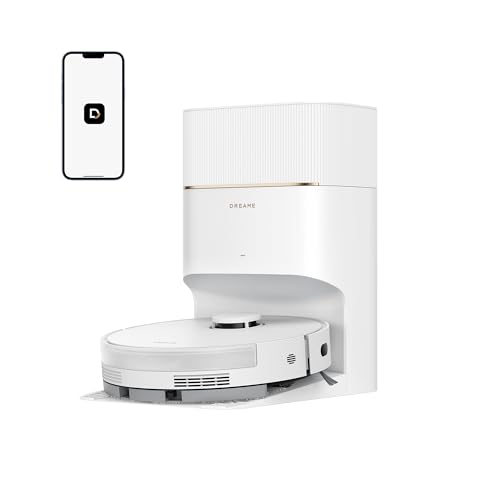
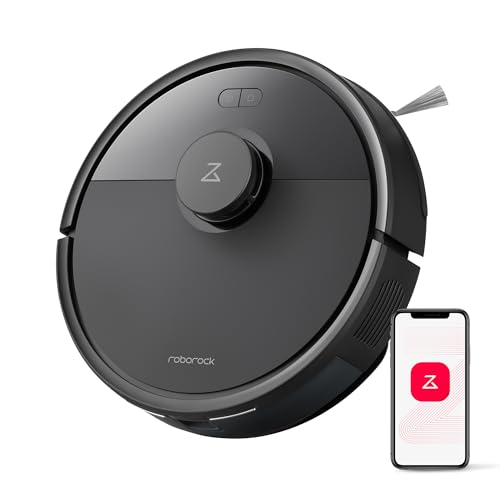
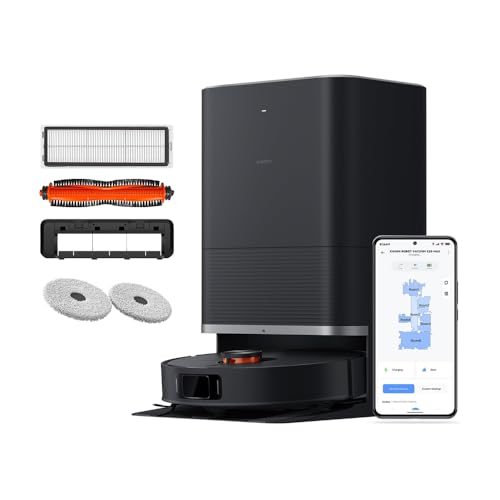
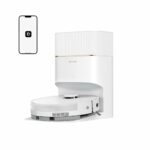
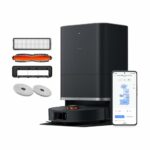
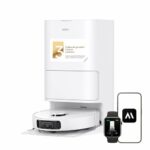
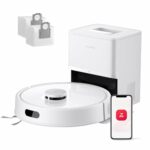
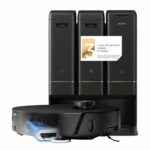
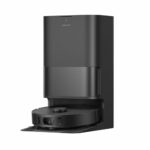
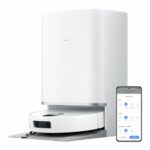
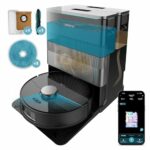
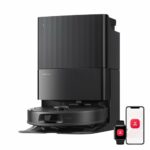
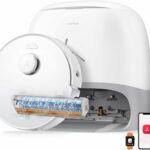
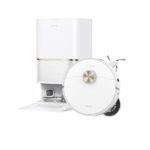
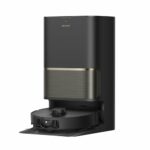
Choosing between the Dreame D20 Pro Plus, the Roborock Q7 L5 or BF and the Xiaomi X20 Max is not straightforward when each one takes a different approach. The Dreame D20 Pro Plus arrives in 2025 with a notable suction power of 13,000 Pa and a 5,200 mAh battery that promises up to 285 minutes of autonomy. The Roborock Q7 L5 or BF, also from 2025, offers a more compact approach with 8,000 Pa of suction and a 3,200 mAh battery. The Xiaomi X20 Max, launched in 2024, shares the same battery as the Dreame but with 8,000 Pa of power, standing out especially for its mopping system with rotating mops and complete multifunction base.
These three models represent different strategies: the Dreame seeks autonomy and raw power, the Roborock opts for simplicity and reduced size, whilst the Xiaomi balances features with a more advanced mopping system.
Power and Suction
The difference in suction power clearly defines the profiles of these robots. The Dreame D20 Pro Plus stands out with 13,000 Pa, a figure that far exceeds the 8,000 Pa of both the Roborock Q7 L5 or BF and the Xiaomi X20 Max. This greater power is especially useful on carpets or when there is persistent dirt accumulation.
The brushing system also varies significantly. The Dreame incorporates a double brush which, combined with its extendable and anti-tangle side brush, improves coverage in corners and reduces maintenance from tangled hair. The Roborock mounts a conventional bristle brush without side extension options or anti-tangle protection. The Xiaomi X20 Max opts for the TriCut 3.0 brush, which combines bristles with blades to cut hair, although it also doesn't include an extendable side brush.
None of the three models lifts the main brush or the side brush during mopping, which may limit versatility on mixed floors where vacuuming and mopping alternate.
Mopping
Here we find the greatest differentiation between these three units. The Xiaomi X20 Max clearly stands out with its two rotating mops, edge extension and 10 mm lift. This system allows mopping with greater precision at the edges of rooms and lifting the mops when detecting carpets or when returning to the base only to vacuum.
The Dreame D20 Pro Plus and the Roborock Q7 L5 or BF use a static mop without extension or lift. In practice, this means more basic mopping, limited to passing a damp mop without active pressure or the ability to adapt to different surfaces.
The most important difference lies in the base. The Xiaomi features mop washing with hot water and drying with hot air, which guarantees clean mops during the mopping process and prevents bad odours when finished. The Dreame and the Roborock lack these functions, requiring the user to manually clean the mops after each use. For homes where mopping is a priority, this difference is decisive.
Navigation System
All three robots use a LiDAR turret to map and navigate, but obstacle avoidance capabilities differ. The Dreame D20 Pro Plus and the Xiaomi X20 Max incorporate a front 3D laser sensor that detects and avoids objects in real time. The Roborock Q7 L5 or BF does not have this system, which may result in collisions with small objects or cables.
The Xiaomi adds night vision LED, useful in low-light environments, and AI intelligent cleaning that optimises routes according to the type of dirt detected. These functions are not present in the Dreame or the Roborock.
None of the three offers an AI camera, specific pet recognition, curtain detection or remote camera access. Navigation is based exclusively on LiDAR and front laser sensors when available.
Autonomy and Battery
The Dreame D20 Pro Plus leads in autonomy with 5,200 mAh and up to 285 minutes of continuous operation. This capacity is ideal for large homes where the robot needs to complete long cycles without interruptions. The Xiaomi X20 Max mounts the same 5,200 mAh battery but reaches 120 minutes of autonomy, probably due to the higher consumption of its rotating mops and active mopping system.
The Roborock Q7 L5 or BF is equipped with a 3,200 mAh battery without specifying autonomy. This lower capacity suggests use more oriented towards medium-sized homes where prolonged sessions are not required.
The 165-minute difference between the Dreame and the Xiaomi can be especially noticeable in large houses with multiple rooms or floors.
Smart Functions
All three robots can overcome obstacles up to 20 mm in height, sufficient to clear small level changes or transitions between floors. None incorporates a robotic arm or its own voice assistant, although all are compatible with Alexa and Google Home for external voice control.
Multifunction Cleaning Base
The configuration of the bases marks substantial differences in maintenance and ease of use. The Dreame D20 Pro Plus includes auto-emptying with a 5-litre bag, the largest of the three, reducing the frequency of changes. The Roborock Q7 L5 or BF lacks auto-emptying, requiring manual emptying of the robot's bin after each use or every few uses.
The Xiaomi X20 Max offers the most complete base: auto-emptying with a 2.5-litre bag, mop washing with hot water, drying with hot air, 4-litre clean water tank and 3.8-litre dirty water tank. This configuration allows the robot to keep the mops in optimal condition throughout the cleaning process, returning to the base to wash them and continuing afterwards.
For those seeking total autonomy in mopping, the Xiaomi's base represents a clear advantage. If only vacuuming with minimal maintenance is of interest, the Dreame's 5-litre bag reduces interventions. The Roborock requires greater manual attention as it does not automate any maintenance functions.
Dimensions
The Roborock Q7 L5 or BF has the most compact diameter at 325 mm, compared to 350 mm for the Dreame and the Xiaomi. In height, the Dreame measures 96.8 mm, the Xiaomi 97 mm and the Roborock 99 mm. These differences are minimal and do not significantly affect the ability to pass under furniture.
The dimensions of the base do mark important differences. The Roborock's base occupies only 160 mm wide by 101 mm high and 70 mm deep, ideal for small spaces. The Dreame requires 298 mm wide, 452 mm high and 440 mm deep. The Xiaomi needs 340 mm wide, 563 mm high and 420 mm deep, being the most voluminous due to its water tanks and washing system.
This should be considered if the available space for the base is limited. The Roborock barely takes up space, whilst the Xiaomi needs a large corner to accommodate its multifunction station.
Real-World Experience
The Dreame D20 Pro Plus works best in large homes where the 285-minute autonomy allows extensive cleaning to be completed without intermediate recharges. Its 13,000 Pa power and extendable side brush make it effective in corners and on carpets. The robot's 500 ml dust bin and 5-litre bag minimise maintenance. However, mopping is limited to a static mop without automatic washing.
The Roborock Q7 L5 or BF suits small or medium-sized homes without great autonomy demands. Its compact base facilitates installation in small spaces. The absence of auto-emptying and obstacle avoidance positions it as a more basic option, requiring greater manual intervention. The robot's 400 ml bin requires frequent emptying.
The Xiaomi X20 Max balances features for those seeking good automated mopping. The rotating mops with extension and lift, combined with the base that washes and dries with hot water and air, offer superior results on hard floors. The 5,200 mAh battery with 120 minutes of autonomy covers medium-sized homes. The 4-litre clean water and 3.8-litre dirty water tanks allow several cycles without refilling. The front 3D sensor and AI intelligent cleaning improve navigation and adaptation to different types of dirt.
Conclusion: Which One to Choose?
Choose the Dreame D20 Pro Plus if you live in a large house where the 285-minute autonomy is essential to complete cleaning in a single session. Its 13,000 Pa power and extendable side brush improve sweeping in corners and on carpets. The 5-litre bag reduces maintenance to very spaced-out changes. It is the best option for those who prioritise powerful vacuuming and maximum autonomy, accepting basic mopping without automation.
Choose the Roborock Q7 L5 or BF if you have limited space for the base and live in a small or medium-sized home without thick carpets or large dirt accumulations. Its compact size and simple operation make it a straightforward option without complications, although it requires frequent manual emptying and lacks advanced navigation or mopping functions.
Choose the Xiaomi X20 Max if mopping is as important as vacuuming. Its multifunction base with mop washing and drying with hot water and air guarantees superior results on hard floors, keeping the mops clean throughout the process. The rotating mops with edge extension and 10 mm lift improve coverage and protect carpets. The front 3D sensor and AI intelligent cleaning optimise navigation. It is the best option for those seeking a complete robot that automates both vacuuming and mopping with minimal manual intervention, especially in medium-sized homes with predominantly hard floors.