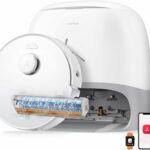
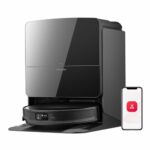
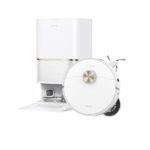
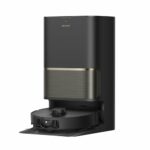
✨ VS Analyses · VacuumSpain comparison technology. Explanation created with AI from verified technical data.
Introduction
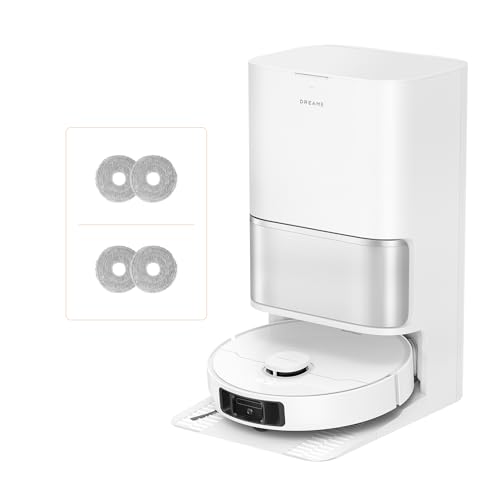
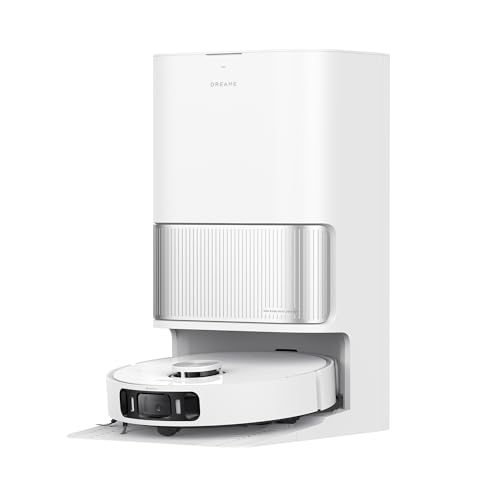
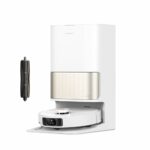
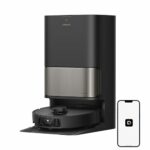
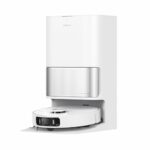
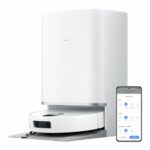
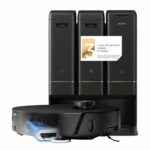
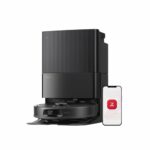
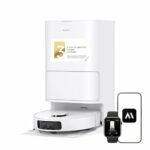
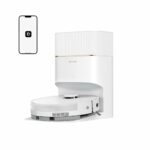
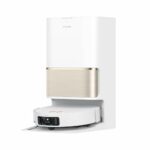
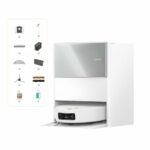
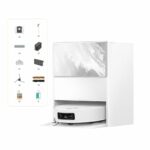
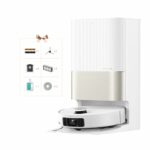
Dreame has established itself as a manufacturer capable of delivering high-performance cleaning technology at competitive prices. The three models we're examining here—the L10s Ultra Gen 2 from 2024, the L10s Ultra Gen 3 launched in November 2025, and the L40 Ultra AE from 2025—represent different approaches within the brand's premium range. All three feature multifunction bases that handle both vacuuming and mopping duties, but they differ in suction power, intelligence features, and cleaning capabilities.
These aren't entry-level machines. Each one comes equipped with rotating mops, automatic mop washing with hot water, and hot air drying to prevent odours. The question is which configuration suits your home best.
Suction Power and Vacuuming
The most striking difference lies in raw suction capability. The L10s Ultra Gen 3 delivers an impressive 25,000 Pa, making it the most powerful of the trio. This represents a substantial leap from the Gen 2's 10,000 Pa. The L40 Ultra AE sits in the middle with 19,000 Pa, which remains more than adequate for most households.
In practical terms, higher suction matters most if you're dealing with deep-pile carpets, pet hair, or homes where debris tends to accumulate quickly. The Gen 3's figure is genuinely exceptional and should handle even stubborn dirt with ease.
When it comes to brush design, the L40 Ultra AE stands apart with its TriCut 3.0 system, which combines bristles with cutting blades to slice through tangled hair. This brush can also lift during mopping to avoid getting wet. The two Gen models use simplified brushes that remain fixed in position. For households with long-haired occupants or pets, the TriCut design reduces maintenance hassle considerably.
The Gen 3 introduces an extendable side brush, a feature absent from both the Gen 2 and L40 Ultra AE. This allows the robot to reach deeper into corners and along skirting boards, improving edge cleaning performance without requiring additional passes.
Mopping Performance
All three models use dual rotating mops with extension capability and Roboswing movement, which helps the mops reach slightly under furniture edges. Mop lift is identical across the range at 10.5 mm, sufficient to clear low-pile rugs and transition strips.
The base stations wash the mops with hot water and dry them using hot air, which helps prevent bacterial growth and unpleasant smells. Each model also includes a detergent dispenser to enhance cleaning results. None of them can automatically remove the mops at the base for vacuum-only sessions, so you'll need to detach them manually if you want pure vacuuming.
Where the L40 Ultra AE pulls ahead is in dirt detection. It can identify soiled areas on the floor and recognise when the mops themselves need extra cleaning. This means the robot can automatically reclean stubborn spots or rewash its mops during a session. The Gen 2 and Gen 3 lack this intelligence, relying instead on scheduled cleaning patterns.
For homes with varied flooring or frequent spills, dirt detection makes a tangible difference. The robot adapts its behaviour rather than following a fixed routine.
Navigation System
All three robots navigate using LiDAR combined with front-facing 3D laser sensors for obstacle avoidance. They recognise pets and can adjust their behaviour accordingly. The CleanGenius AI system is present across the range, optimising cleaning routes and settings based on room type and usage patterns.
The L40 Ultra AE, however, adds a front-facing AI camera with LED illumination for night vision. This camera enables remote access, allowing you to check on your home whilst the robot is operating. The camera also contributes to its ability to recognise up to 120 different obstacle types, though the exact number for the Gen 2 and Gen 3 isn't specified.
In practice, the camera enhances obstacle recognition accuracy and adds a security dimension that the other models simply don't offer. If you value being able to view your home remotely, the L40 Ultra AE is the only option here.
Battery and Autonomy
Battery capacity is identical at 5,200 mAh across all three models. The Gen 2 offers 240 minutes of runtime, whilst the Gen 3 provides 231 minutes. Autonomy data for the L40 Ultra AE isn't available, but given the same battery size, expect similar performance.
These figures should comfortably cover most homes in a single session. The robots return to base automatically when needed, recharge, and resume cleaning without intervention.
Smart Features
Each robot can climb obstacles up to 20 mm high, which handles most door thresholds and minor floor transitions without getting stuck. All three support external voice assistants like Alexa and Google Home, but none includes a proprietary voice assistant built into the robot itself.
The L40 Ultra AE's dirt detection capability, mentioned earlier, represents the most significant intelligence upgrade. It allows the robot to respond dynamically to actual cleaning needs rather than simply executing pre-programmed routines.
Multifunction Base Station
The base stations are nearly identical in capacity: 3.2-litre dust bags, 4.5-litre clean water tanks, and 4-litre dirty water tanks. All three bases automatically empty the robot's onboard dust bin, wash the mops with hot water, dry them with hot air, and dispense detergent during mop cleaning.
The key difference lies in base tray maintenance. The Gen 3 features third-generation automatic tray cleaning, whilst the L40 Ultra AE uses second-generation technology. The Gen 2 lacks automatic tray cleaning entirely, meaning you'll need to manually clean the washing tray periodically to prevent residue buildup.
This might seem minor, but over weeks and months, automatic tray cleaning reduces maintenance effort noticeably. It's one of those features you appreciate more with daily use.
All three models support an optional connection kit for plumbing integration, sold separately. This allows continuous water supply and drainage, eliminating the need to refill and empty tanks manually. Given that it's an add-on purchase, it shouldn't heavily influence your decision, but it's worth knowing the option exists.
Physical Dimensions
The robots themselves are identical in size: 350 mm diameter and 97 mm height. This low profile should allow them to slide under most furniture without difficulty.
Base dimensions are also virtually the same. The Gen 2 and L40 Ultra AE measure 340 mm wide, 590.5 mm tall, and 456.7 mm deep. The Gen 3 is fractionally different at 590 mm tall and 457 mm deep—differences you won't notice in practice. Plan for roughly 34 cm of width and 46 cm of depth when choosing a location for the base.
Real-World Usage Considerations
For larger homes, the Gen 3's exceptional 25,000 Pa suction ensures thorough cleaning even in high-traffic areas. Its extendable side brush improves corner coverage, which matters in rooms with complex layouts. The automatic tray cleaning reduces maintenance frequency, useful when the robot operates daily.
Pet owners will appreciate the L40 Ultra AE's TriCut brush design, which minimises hair tangles. The dirt detection system also helps when paw prints or food spills occur unpredictably. The AI camera adds peace of mind if you're checking on pets whilst away.
The Gen 2 remains capable despite being the oldest model here. Its 10,000 Pa suction handles hard floors and low-pile carpets adequately, though it may struggle with deep carpets or heavy debris. The lack of automatic tray cleaning means slightly more hands-on maintenance.
All three robots manage the same obstacle height and have sufficient battery life for typical homes. The 10.5 mm mop lift clears most rugs, though you might still prefer to remove delicate rugs before mopping sessions.
Conclusion: Which One to Choose?
Choose the Dreame L10s Ultra Gen 2 if you're working within a tighter budget and your home primarily has hard floors or low-pile carpets. The 10,000 Pa suction suffices for regular maintenance, and the multifunction base handles the essentials. Just be prepared for occasional manual tray cleaning.
Choose the Dreame L10s Ultra Gen 3 if you want the most powerful suction available and value low-maintenance operation. The 25,000 Pa performance excels with carpets and heavy debris, whilst the extendable side brush improves edge cleaning. Third-generation automatic tray cleaning minimises upkeep. This is the best all-rounder for demanding households.
Choose the Dreame L40 Ultra AE if you prioritise intelligent cleaning and remote monitoring. The AI camera with night vision, dirt detection on floors and mops, and TriCut brush make it the smartest option here. It adapts to actual cleaning needs rather than following fixed routines, and the camera adds a security dimension. Pet owners and those who want maximum automation will find these features worthwhile, even if raw suction sits between the other two models.