✨ VS Analyze · VacuumSpain comparison technology. AI-generated explanation based on verified technical data.
Introduction
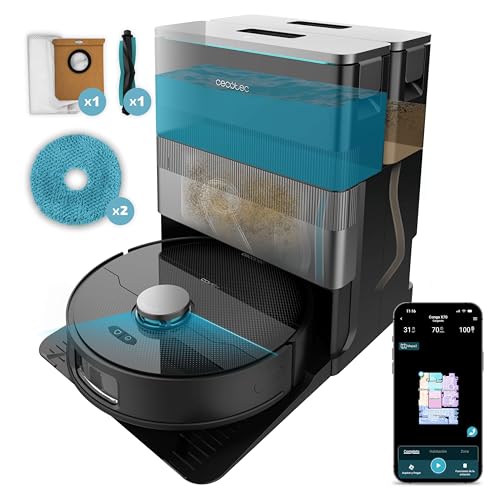
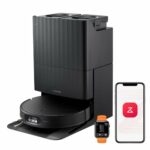
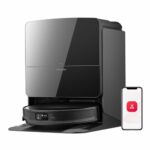
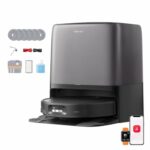
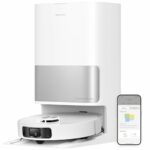
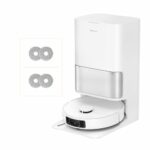
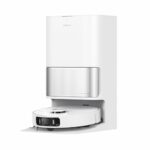
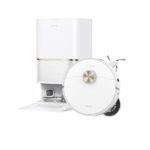
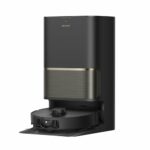
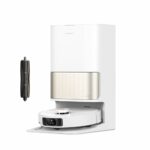
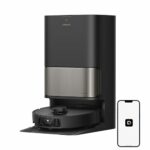
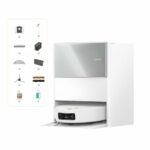
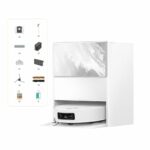
The Dreame Aqua 10 Ultra Roller and the Cecotec Conga X70 represent two distinct approaches to automated home cleaning from the 2025 generation of robot hoovers. The Dreame model positions itself as a high-performance option with advanced features and substantial suction power, whilst the Cecotec offers a more accessible entry point into multifunctional robot cleaning. Both incorporate self-cleaning bases and mopping capabilities, but their technical specifications reveal significant differences in power, intelligence systems, and overall functionality that will matter depending on your home environment and cleaning priorities.
Understanding which robot aspirator suits your needs requires looking beyond marketing claims to examine real performance indicators. The Dreame Aqua 10 Ultra Roller targets users seeking cutting-edge technology with comprehensive automation, particularly those with pets or complex floor plans. The Conga X70 appeals to households wanting solid core functionality without the premium price tag associated with top-tier specifications.
Power and Suction
The difference in suction power between these models is substantial. The Dreame robot aspirator delivers 30,000 Pa, exactly double the 15,000 Pa offered by the Cecotec Conga X70. In practical terms, this translates to noticeably better performance on carpets and when dealing with embedded dirt or pet hair. Homes with rugs or high-pile carpeting will benefit considerably from the extra power.
Where brush technology is concerned, the contrast becomes even more pronounced. The Dreame Aqua 10 Ultra Roller incorporates a dual HyperStream brush system specifically engineered to prevent hair tangles, whilst the Cecotec relies on a conventional bristle brush that requires more frequent maintenance. For households with pets or long-haired residents, this distinction matters significantly. The Dreame's brush design channels hair towards the suction inlet rather than wrapping it around the roller.
The Dreame also includes elevating functions for both its main brush and side brush during mopping, preventing wet brushes from dragging across already-cleaned floors. The Cecotec lacks these lifting mechanisms entirely. Additionally, the Dreame's side brush extends outward and features anti-tangle properties, giving it superior edge cleaning capability. These aren't minor refinements—they fundamentally change how effectively the robot handles mixed cleaning tasks.
Mopping Performance
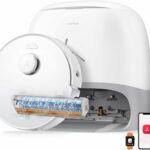
Mopping represents one area where architectural differences create distinct cleaning philosophies. The Dreame Aqua 10 Ultra Roller employs a rotating roller system that applies 12N of pressure, fundamentally different from the Cecotec's dual rotating mop pads. The roller approach on the Dreame provides more consistent contact and scrubbing action, particularly effective on stubborn marks.
Both models extend their mopping systems to reach edges better, but the Dreame lifts its mops 14 mm when encountering carpets or returning to base, with a retractable design that completely withdraws the mopping assembly. The Cecotec manages only 8 mm of lift, which may prove insufficient for thicker rugs. This difference becomes critical in homes with mixed flooring.
The Dreame's base washes mops with hot water, breaking down grease and dried-on dirt more effectively than the Cecotec's cold water system. Hot water washing isn't simply a luxury—it genuinely improves hygiene and reduces the frequency of manual mop replacement. The Dreame also detects when mops remain dirty and initiates additional washing cycles automatically, whilst monitoring floor dirtiness to adjust cleaning intensity. The Cecotec offers neither of these intelligent adjustments.
Regarding mop drying, the Cecotec does provide warm air drying, though details on the Dreame's drying system aren't fully specified. Proper drying prevents bacterial growth and odours, making this an important maintenance consideration.
Navigation System
Navigation technology separates these robot aspirators considerably. The Dreame Aqua 10 Ultra Roller combines a retractable LiDAR system with dual RGB cameras and 3D laser sensors, creating a comprehensive environmental understanding. Its AI Sage 15.0 octa-core processor enables recognition of 240 different obstacle types, including pets and curtains specifically. The system also provides remote camera access, essentially giving you a mobile home monitoring device.
The Cecotec Conga X70 uses a 3D LiDAR tower with camera assistance and frontal 3D sensors, which provides competent navigation for most homes. However, it doesn't specify how many obstacles it recognises, lacks pet-specific detection, cannot identify curtains to clean gently around them, and offers no remote camera viewing. For straightforward floor plans without pets, this simpler system functions adequately.
LED illumination on the Dreame enables effective operation in darkness, useful for overnight cleaning schedules. The Cecotec doesn't include this feature. When you consider the complete navigation package, the Dreame offers substantially more sophisticated spatial awareness and adaptability.
Battery and Autonomy
Battery specifications favour the Dreame robot aspirator with its 6,400 mAh capacity providing approximately 160 minutes of runtime. The Cecotec's 5,200 mAh battery doesn't specify autonomy duration, making direct comparison difficult, but the lower capacity suggests reduced operational time between charges.
For larger homes, extended battery life means completing cleaning in a single session rather than requiring mid-clean recharging. The Dreame's 160-minute runtime should comfortably handle properties up to approximately 200 square metres in mixed cleaning mode. The Cecotec will likely manage smaller spaces adequately but may struggle with expansive floor plans.
Intelligent Features
The Dreame Aqua 10 Ultra Roller incorporates CleanGenius AI that analyses cleaning patterns and adjusts behaviour based on room usage and dirt levels. This learning capability means the robot becomes more efficient over time. The Cecotec lacks comparable intelligence systems, operating with more conventional pre-programmed cleaning patterns.
Obstacle climbing ability differs as well. The Dreame handles single-step obstacles with its adaptive system, whilst the Cecotec manages thresholds up to 30 mm. Both should cope with standard door thresholds, though the Dreame's approach suggests more sophisticated terrain adaptation.
Voice control integration on the Dreame includes both a proprietary voice assistant and compatibility with external systems like Alexa or Google Home. The Cecotec offers neither built-in nor external voice assistant support, requiring app or button control exclusively. For households invested in smart home ecosystems, this limitation reduces convenience significantly.
Multifunction Cleaning Base
Both models include self-emptying bases with mop washing capabilities, but execution details matter considerably. The Dreame's base incorporates dual detergent dispensers, allowing different cleaning solutions for various floor types or cleaning intensities. The Cecotec provides no detergent dispensing system at all, relying solely on water.
Dust bag capacity in the Dreame's base reaches 3.2 litres compared to the Cecotec's 2.5 litres—a 28% difference that translates to less frequent bag replacement. Water tank sizes match at 4 litres for clean water and 3.5 litres for dirty water on both units, providing similar operational duration between refills.
The Dreame offers an optional kit for plumbing connection, eliminating manual water management entirely for those willing to install it. This accessory purchases separately and isn't included as standard, but represents a genuine convenience upgrade for committed users. The Cecotec has no such option available.
Dimensions
Physical size impacts where robots can clean effectively. The Dreame Aqua 10 Ultra Roller measures 97.5 mm tall with a 350 mm diameter, whilst the Cecotec Conga X70 stands 110 mm tall with a 340 mm diameter. That 12.5 mm height difference allows the Dreame to navigate under furniture that would block the Cecotec, potentially accessing 15-20% more floor area in homes with low-clearance sofas or beds.
Base dimensions show the Dreame requiring more floor space at 420 mm wide, 500 mm tall, and 440 mm deep compared to the Cecotec's 340 mm width, 450 mm height, and 425 mm depth. The Dreame's larger base accommodates its additional features like hot water systems and dual detergent tanks, but you'll need to ensure adequate space in your chosen location.
Real-World Usage Experience
For homes with pets, the Dreame robot aspirator presents clear advantages. Its superior suction power, anti-tangle brush system, and AI recognition of animals create a more effective and autonomous cleaning solution. The hot water mop washing also better handles the hygiene demands of pet-occupied spaces.
Larger properties benefit from the Dreame's extended battery life and more efficient navigation, completing thorough cleaning without multiple recharge cycles. The intelligent dirt detection means heavily trafficked areas receive appropriate attention without manual intervention.
In households with varied flooring, the Dreame's greater mop lift height and retractable design protect carpets more effectively whilst still delivering strong hard floor mopping. The Cecotec's 8 mm lift may leave thicker rugs slightly damp around edges.
The Cecotec Conga X70 suits smaller homes with primarily hard flooring, minimal pet hair, and users comfortable with more hands-on maintenance. Its lower profile base fits more easily into compact spaces, and the reduced feature set means fewer potential technical complications.
Maintenance frequency differs between these models. The Dreame's larger dust bag, hot water mop cleaning, and anti-tangle brushes reduce how often you'll need to intervene. The Cecotec requires more regular brush cleaning and mop replacement due to cold water washing limitations.
Conclusion: Which Should You Choose?
Choose the Dreame Aqua 10 Ultra Roller if: you have a larger home exceeding 100 square metres, share your space with pets, want minimal maintenance involvement, value advanced AI features like remote camera access and intelligent dirt detection, have mixed flooring including carpets, or need the robot to fit under low-clearance furniture. The significantly higher suction power and comprehensive automation justify the investment for users wanting premium performance.
Choose the Cecotec Conga X70 if: you're working with a tighter budget, have a smaller property under 80 square metres with predominantly hard floors, don't have pets creating hair challenges, can accommodate the taller robot height, and don't require advanced smart home integration. This model delivers competent core functionality without the sophisticated features that many users may not fully utilise.
The comparison between these robot aspirators ultimately reflects different priorities. The Dreame represents a comprehensive solution designed to handle complex cleaning scenarios with minimal user input, whilst the Cecotec offers functional automation at a more accessible price point. Your choice should align with your home's specific demands and how much value you place on advanced intelligence versus straightforward operation.