✨ VS Analyze · VacuumSpain comparison technology. AI-generated explanation based on verified technical data.
Introduction
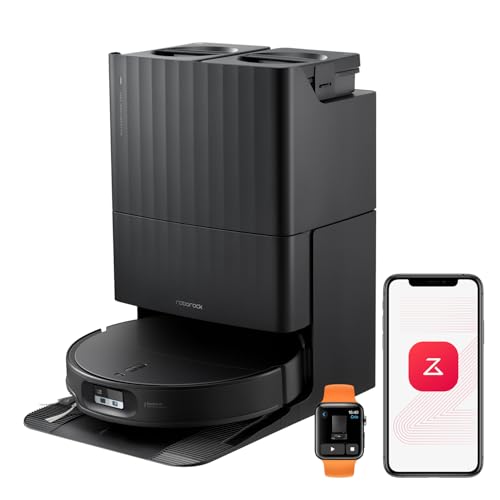
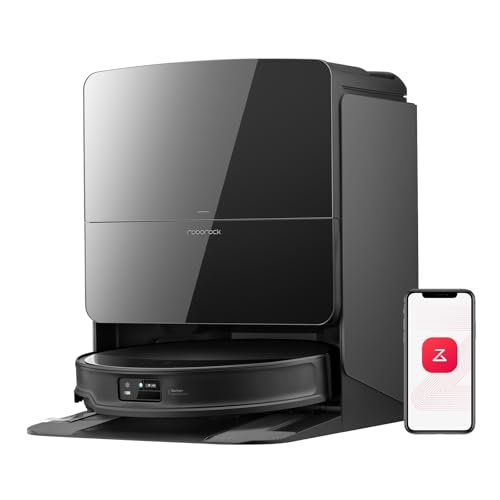
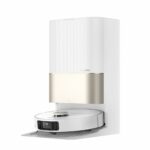
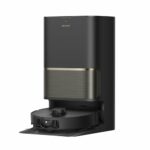
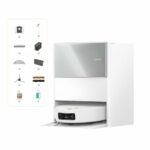
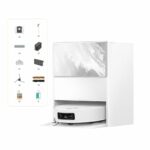
Roborock consolidates its global leadership in the robot vacuum sector with two high-end models that represent the best of its technology: the Qrevo Edge 2, launched in May 2026, and the Saros 10R from 2025. Both devices are designed for demanding homes where professional mopping and advanced intelligent navigation are sought. They share Roborock's philosophy of combining power, precision and multifunctional features in the base, albeit with technical nuances that clearly differentiate them.
The Qrevo Edge 2 opts for superior suction power and a more comprehensive object recognition system. The Saros 10R stands out for its improved autonomy and a dual StarSight 2.0 navigation system. We're looking at two options designed for users who don't want compromises in cleaning, but with slightly different approaches.
Power and Suction
The most evident difference in this robot vacuum comparison is in suction power. The Roborock Qrevo Edge 2 reaches 25,000 Pa, a figure that places it amongst the most powerful on the market. The Saros 10R remains at 18,500 Pa, still a very respectable figure but clearly lower. In practice, this translates into a greater capacity for the Edge 2 to extract ingrained dirt from carpets or vacuum heavy particles.
Both models incorporate the DuoDivide anti-tangle main brush, Roborock's patented system that pushes hairs towards the central gap to prevent tangles. This design is especially useful in homes with pets. Both devices allow the main brush to be raised during mopping, avoiding soiling mops or dragging dirt.
Regarding side brushes, both include an extendable and anti-tangle version. However, only the Saros 10R can raise the side brush during mopping. This function helps prevent the brush from dragging dirty water towards already clean areas, improving the efficiency of the mopping process.
Mopping
Both robots use a system of two rotating mops with edge extension, which allows mopping right up to the skirting boards. Both options include warm water for floor mopping, improving the dissolution of greasy stains. They also share the automatic mop removal function at the base when you only want to vacuum.
Mop lift marks an important technical difference. The Qrevo Edge 2 raises the mops up to 12 mm, whilst the Saros 10R reaches between 12 and 22 mm. This greater lift in the Saros 10R is advantageous when passing over thick carpets or doormats, preventing wet mops from touching them.
Both robots integrate dirt detection both in the mops and on the floor, allowing automatic re-washes when they detect particularly dirty areas. This function turns mopping into a truly autonomous and adaptive process.
Navigation System
Here we find interesting conceptual differences. The Qrevo Edge 2 features a retractable LiDAR system that hides when not needed, reducing the effective height of the robot. The Saros 10R opts for StarSight 2.0, which combines laser navigation with dual AI camera.
The Edge 2 recognises up to 280 different objects, almost triple the 108 of the Saros 10R. This amplified capability includes curtain detection, something the Saros 10R doesn't incorporate. For homes with many objects on the floor or varied decoration, the Edge 2 offers greater precision in identification and avoidance.
Both devices include an AI camera, front 3D laser sensor, LED for night vision and remote camera access. They also recognise pets and allow surveillance from the app. The artificial intelligence differs in version: SmartPlan 3.0 in the Edge 2 versus SmartPlan 2.0 in the Saros 10R, which implies more evolved cleaning algorithms in the more recent model.
Autonomy and Battery
The Saros 10R features a 6,400 mAh battery that provides 180 minutes of autonomy. The Qrevo Edge 2 uses a 5,200 mAh battery with 188 minutes of operation. Despite having lower capacity, the Edge 2 achieves more minutes of autonomy, which suggests more efficient energy management.
In practice, both robots offer more than sufficient autonomy for medium or large-sized homes. The eight-minute difference is hardly relevant in real use, as both can complete full cleans of 150-200 m² without needing an intermediate recharge.
Smart Functions
Both models can overcome obstacles up to 20 mm in height, which allows them to move between rooms with small level differences or pass over thick cables without getting stuck. This capability is fundamental for guaranteeing complete cleans without manual intervention.
Both robots integrate their own voice assistant in addition to compatibility with Alexa and Google Home. This allows controlling the robot through direct voice commands, scheduling cleans or checking status without needing to open the app.
Multifunctional Cleaning Base
Both bases incorporate auto-emptying, mop washing with hot water and drying with hot air. This combination guarantees that mops are thoroughly cleaned between passes and completely dried upon finishing, avoiding bad odours and bacterial proliferation.
Both include self-cleaning of the washing tray in version 2.0, an improvement over previous generations that facilitates maintenance. The Saros 10R adds a detergent tank that the Qrevo Edge 2 doesn't have. This tank dispenses product during mop washing, improving the removal of difficult stains.
The dust bag capacity differs slightly: 2.7 litres in the Edge 2 versus 2.5 litres in the Saros 10R. This 200 ml difference can translate into one or two additional weeks between bag changes in homes with high dirt levels. The clean water tanks are identical (4 litres), whilst the dirty water tank is larger in the Edge 2: 3.5 litres versus 3 litres.
Dimensions
The robots are practically identical in size: 352 mm diameter in the Edge 2 versus 353 mm in the Saros 10R. Both measure 79.8 mm in height, which allows them to slide under most standard furniture.
The bases present more notable differences. The Qrevo Edge 2's measures 340 mm wide, 521 mm high and 487 mm deep. The Saros 10R's is wider (381 mm) but less tall (488 mm) and somewhat less deep (475 mm). In spaces with height limitations, the Saros 10R's base may fit better. If width is the limiting factor, the Edge 2 is more compact.
Real-World Usage Experience
For large homes, both models offer sufficient autonomy and bases with generous capacity. The Qrevo Edge 2 stands out in homes with many decorative objects, toys or varied elements on the floor thanks to its superior object recognition. Its greater suction power also benefits houses with thick carpets or fitted carpets.
The Saros 10R is especially suitable for those who prioritise intensive mopping. Its detergent tank and greater mop lift make it a more complete option for floors requiring disinfection or deep cleaning. The liftable side brush also improves mopping quality by avoiding dragging dirty water.
In homes with pets, both work excellently thanks to the DuoDivide anti-tangle brush and high suction power. The Edge 2 offers additional advantage with its expanded object recognition, useful for avoiding pet toys or accessories.
Conclusion: Which to Choose?
Choose the Roborock Qrevo Edge 2 if: you're looking for maximum suction power on the market, you need exhaustive object recognition (especially if you have curtains or varied decoration on the floor), you value a somewhat larger dust bag and prefer a narrower base. It's the best robot vacuum for those who prioritise power and precision in navigation.
Choose the Roborock Saros 10R if: mopping is your absolute priority and you want the integrated detergent tank, you need greater mop lift for thick carpets, you prefer a less tall base that fits better in vertically limited spaces, or you value the liftable side brush for cleaner mopping. It's ideal for homes that combine demanding hard floors with occasional carpets.
The differences between these two Roborock robots show two complementary philosophies: power and extreme recognition in the Edge 2, versus completeness in mopping and versatility in the Saros 10R. Both represent the best of the brand in terms of reliability and app quality, so the decision will depend on whether you prioritise vacuuming or mopping in your day-to-day life.