✨ VS Analyze · VacuumSpain comparison technology. AI-generated explanation based on verified technical data.
Introduction
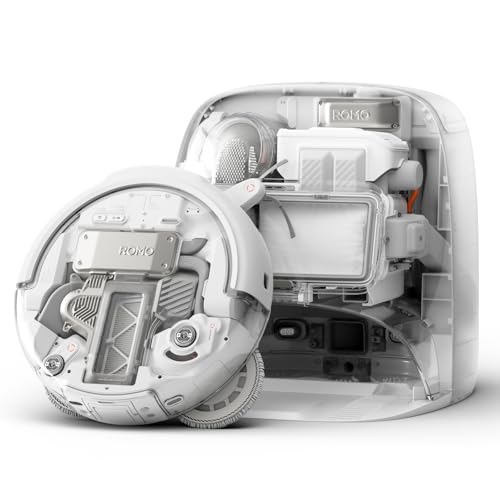
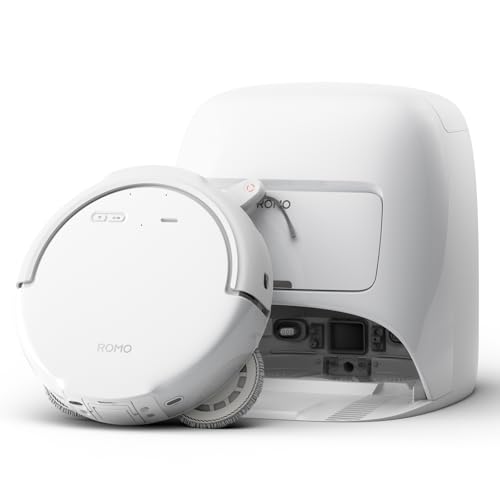
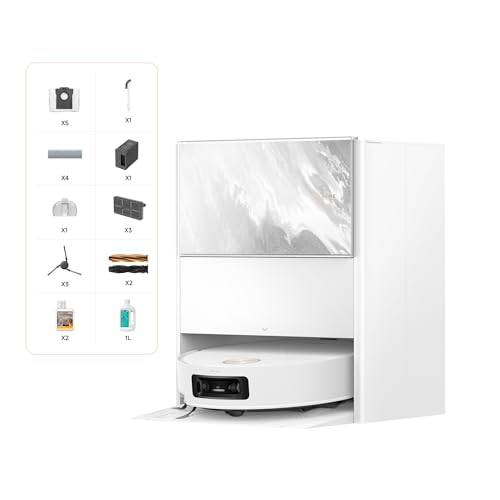
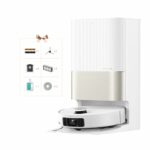
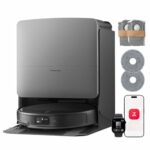
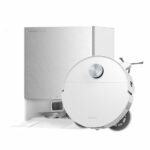
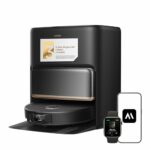
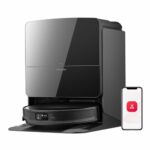
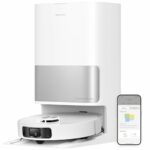
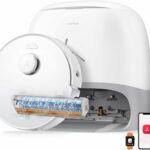
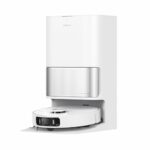
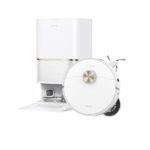
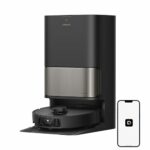
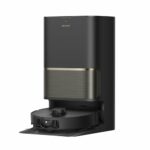
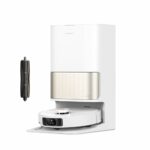
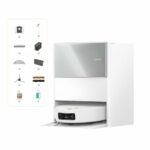
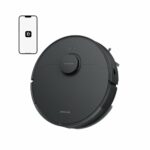
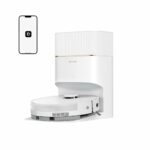
The DJI Romo P and Romo S represent DJI's entry into the robot vacuum market in 2025, bringing the brand's expertise in navigation and imaging technology to floor cleaning. These two models share most of their core specifications but differ in one key aspect: the Romo P features a transparent base station with UV disinfection, whilst the Romo S comes in white with a standard base. The Dreame Aqua10 Ultra Track Complete, also from 2025, takes a different approach with its wide roller mopping system and retractable LiDAR design.
All three models target users seeking comprehensive cleaning with multifunctional bases that handle both vacuuming and mopping tasks. The DJI models suit those who value advanced camera systems and remote monitoring capabilities, whilst the Dreame appeals to households prioritising hot water cleaning and larger capacity.
Power and Suction
All three robots deliver identical 25,000 Pa suction power, placing them firmly in the high-performance category for 2025. This level of suction handles embedded dirt in carpets and ensures thorough pickup on hard floors.
The DJI Romo P and S both feature a DuoDivide brush system, which channels hair and debris towards the central suction point to reduce tangling. The Dreame Aqua10 Ultra Track Complete uses a dual HyperStream brush configuration, another design focused on preventing hair wrap. Both systems elevate during mopping to avoid dragging wet debris across clean floors.
For edge cleaning, all three models include extendable side brushes that reach into corners more effectively. The Dreame goes further by offering a side brush that lifts during mopping, preventing it from interfering with the wet cleaning process. The DJI models don't lift their side brushes, though both feature dual anti-tangle side brushes to minimise hair buildup.
In homes with long-haired occupants or shedding pets, these anti-tangle designs make a noticeable difference in maintenance frequency.
Mopping
The mopping systems reveal the most significant design divergence between these robots. The DJI Romo P and S use dual rotating mops that spin to scrub floors, whilst the Dreame Aqua10 Ultra Track Complete employs a wide roller mop that covers more surface area in each pass. Both approaches extend to reach edges and skirting boards more effectively.
Mop elevation matters when transitioning between hard floors and carpets. The DJI models lift their mops, though the exact height isn't specified. The Dreame raises its roller between 7 mm and 17 mm depending on the surface detected, which proves sufficient for most low-pile rugs.
Temperature makes a substantial difference in cleaning performance. The Dreame Aqua10 Ultra Track Complete heats water to 60°C for floor mopping, which helps dissolve grease and stubborn marks more effectively than cold water. The DJI Romo P and S both mop with cold water, which still cleans adequately but won't tackle heavy soiling as aggressively.
All three models detect dirty mops and trigger additional washing cycles at the base. They also identify particularly soiled areas on the floor and automatically increase cleaning intensity or make extra passes. This intelligent adaptation reduces the need for manual intervention.
Navigation System
Navigation technology differs between the brands. The DJI Romo P and S incorporate solid-state LiDAR, which maps rooms without moving parts. The Dreame Aqua10 Ultra Track Complete uses retractable LiDAR that lowers when not needed, reducing the robot's profile slightly to 97.5 mm compared to the DJI's 98 mm height.
All three robots combine LiDAR with AI-powered cameras and 3D laser sensors for obstacle avoidance. The Dreame specifies dual RGB cameras and recognition of 280 different object types, including pets. The DJI models feature advanced camera systems with remote access and LED lighting for night vision, but don't confirm the exact number of recognisable obstacles in available specifications.
The Dreame identifies curtains and adjusts its behaviour to avoid tangling, a feature not mentioned for the DJI models. For households with floor-length drapes, this proves useful.
Remote camera access works on all three robots, allowing users to check on their homes or pets whilst away. The LED lighting ensures clear images even in dim conditions.
Battery and Autonomy
Battery capacity varies between the models. The Dreame Aqua10 Ultra Track Complete packs a 6,400 mAh battery, whilst both DJI robots contain 5,000 mAh cells. Despite the smaller battery, the DJI models achieve 180 minutes of runtime, which covers substantial floor areas before requiring a recharge. The Dreame's autonomy figures aren't specified, but the larger battery suggests competitive or superior runtime.
In practice, a 180-minute runtime handles homes up to approximately 200-250 square metres in a single session, depending on cleaning mode and floor type. The Dreame's larger battery potentially extends this range or maintains performance in maximum power modes for longer periods.
Smart Functions
Obstacle climbing capability differs noticeably. The DJI Romo P and S can surmount obstacles up to 20 mm high, which manages door thresholds and low transitions between rooms. The Dreame Aqua10 Ultra Track Complete climbs simple obstacles up to 40 mm, double the height, making it more capable with taller thresholds or uneven flooring transitions common in older properties.
The Dreame includes its own voice assistant in addition to compatibility with Alexa and Google Home. The DJI models support external voice assistants but don't specify an integrated assistant in available documentation.
Multifunctional Cleaning Base
All three bases handle auto-emptying of the dust bin, mop washing, and mop drying. The differences lie in the details of these processes.
The DJI Romo P and S both wash mops and dry them with hot air, though the exact temperature isn't specified. The Dreame Aqua10 Ultra Track Complete washes with hot water and dries at 50°C, which accelerates drying and helps prevent bacterial growth and odours.
Base self-cleaning distinguishes the DJI models. Both the Romo P and S feature nozzle-based automatic cleaning of the washing tray, keeping the base hygienic without manual scrubbing. The Dreame doesn't include this automatic tray cleaning function.
UV disinfection appears only on the DJI Romo P, sanitising the base components after cleaning cycles. Neither the Romo S nor the Dreame Aqua10 Ultra Track Complete offer UV treatment.
Detergent storage varies slightly. The Romo P features dual detergent tanks, allowing separate solutions for different floor types or cleaning tasks. The Romo S has a single detergent tank, whilst the Dreame offers dual tanks like the Romo P.
Capacity differences matter for maintenance frequency. The Dreame's dust bag holds 3.2 litres compared to 2.4 litres in the DJI models, meaning less frequent bag changes. Clean water tanks hold 4 litres across all three models, but the Dreame's dirty water tank is slightly larger at 3.5 litres versus 3.2 litres for the DJI bases.
The Dreame offers an optional kit for connecting to household water pipes, though this must be purchased separately. This allows automatic refilling and draining, reducing manual intervention further. The DJI models don't support plumbing connection even as an add-on.
Dimensions
The robots themselves measure almost identically. The DJI Romo P and S both span 351 mm in diameter and stand 98 mm tall. The Dreame Aqua10 Ultra Track Complete measures 350 mm across and 97.5 mm high, a negligible difference that won't affect clearance under furniture in practical terms.
Base stations vary more noticeably. The DJI bases measure 453 mm wide, 440 mm tall, and 425 mm deep. The Dreame base is slightly narrower at 420 mm wide but taller at 500 mm and deeper at 440 mm. The Dreame's vertical design might fit better in tight spaces width-wise but requires more overhead clearance.
Real-world Use Experience
For larger homes, the Dreame's 6,400 mAh battery and larger dust bag capacity reduce interruptions and maintenance frequency. The 40 mm obstacle climbing also proves beneficial in properties with varied flooring levels or higher thresholds.
Pet owners benefit from the anti-tangle brush systems across all three models, though the Dreame's confirmed pet recognition adds an extra layer of smart navigation around animals. The larger dirty water tank also helps when dealing with muddy paw prints or pet-related messes.
The hot water mopping of the Dreame tackles kitchen grease and sticky spills more effectively than cold water systems. This becomes particularly noticeable in high-traffic areas or homes with young children.
For those prioritising hygiene, the DJI Romo P's UV disinfection and automatic tray cleaning reduce manual maintenance and sanitise components between uses. The dual detergent tanks allow customised cleaning solutions for different rooms or floor types without swapping bottles.
Remote monitoring via camera works identically across all three models, appealing to users who want to check on pets or home security whilst out. The LED lighting ensures useful footage regardless of time of day.
Conclusion: Which to Choose?
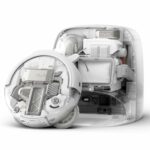
Choose the DJI Romo P if hygiene and base maintenance matter most to you. The UV disinfection and automatic tray cleaning keep the system cleaner with less manual intervention. The dual detergent tanks suit homes with multiple floor types requiring different cleaning solutions. The transparent base design might appeal aesthetically as well.
Choose the DJI Romo S if you want the DJI navigation and camera technology without the premium features of the Romo P. You'll get the same cleaning performance, battery life, and smart functions but without UV disinfection and with a single detergent tank instead of dual. This makes sense if budget is tighter or you simply don't need those extras.
Choose the Dreame Aqua10 Ultra Track Complete if you have a larger home that benefits from the bigger battery and dust bag capacity. The hot water mopping delivers superior results on greasy or heavily soiled floors. The ability to climb 40 mm obstacles suits properties with challenging thresholds or floor transitions. The optional plumbing connection kit appeals to those wanting maximum automation, and the wider roller mop covers more ground efficiently. Pet owners might appreciate the confirmed pet recognition capability as well.