✨ VS Analyze · VacuumSpain comparison technology. AI-generated explanation based on verified technical data.
Introduction
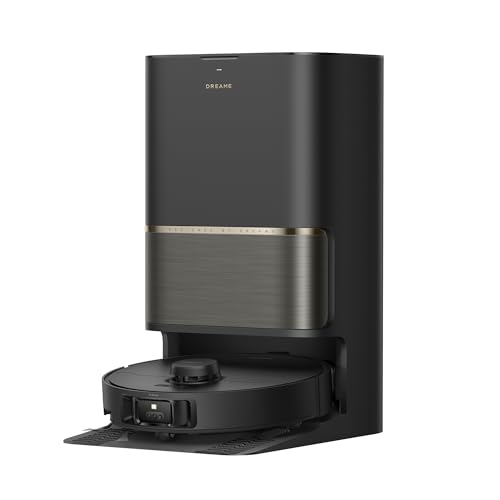
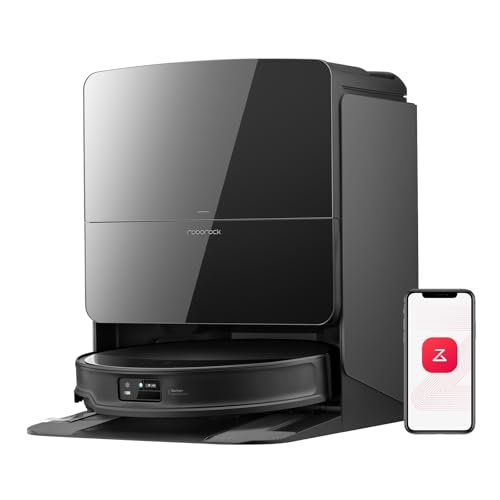
The Dreame L50s Pro Ultra and Roborock Saros 10R represent two premium robot vacuum cleaners with multifunctional docking stations, aimed at users seeking complete automation in home cleaning. The Dreame model arrives in 2026 with impressive technical specifications, whilst the Roborock Saros 10R launched in 2025 already enjoys market presence. Both models target medium to large homes where autonomous mopping and vacuuming can make a real difference to daily routines.
These aren't entry-level devices. They're designed for households that value thorough cleaning without constant intervention, particularly useful for pet owners or families with children where floors need regular attention. The multifunctional bases handle mop washing and drying, meaning these robots genuinely maintain themselves between cleaning sessions.
Power and Suction
Suction power sets these models apart immediately. The Dreame L50s Pro Ultra generates 30,000 Pa, significantly outpacing the Roborock Saros 10R's 18,500 Pa. In practical terms, this extra power helps when dealing with embedded dirt in carpets or heavier debris like cat litter scattered around feeding areas.
The brush systems take different approaches. Dreame employs dual HyperStream brushes, a design where two brushes anchor at one end to minimise hair tangles. Roborock counters with DuoDivide anti-tangle brushes that push hair towards the central suction point. Both systems aim to reduce the dreaded hair wrap that plagues traditional roller brushes, though the mechanisms differ fundamentally.
Both robots can elevate their main brushes during mopping and feature extendable side brushes that reach into corners more effectively. The side brushes also lift when mopping to avoid dragging debris across wet floors. Anti-tangle technology extends to the side brushes on both models, which matters when you're dealing with long human hair or pet fur near skirting boards.
Mopping
Each robot uses dual rotating mops, but the Dreame L50s Pro Ultra adds Roboswing movement—essentially a swaying motion that pushes the mop slightly under furniture edges and protruding fixtures. The Roborock Saros 10R relies on standard mop extension without this additional movement.
Mop elevation differs notably. Whilst the Dreame lifts its mops 10.5mm, the Roborock achieves between 12 and 22mm of lift. This extra clearance helps when transitioning onto thicker rugs or carpets, reducing the chance of damp mops touching fabric surfaces.
Water temperature provides another distinction. The Roborock Saros 10R mops with warm water, which can help break down sticky residues more effectively than the cold water used by the Dreame L50s Pro Ultra. Both bases wash mops with hot water and dry them with heated air, but the Roborock's warm mopping water during actual floor cleaning offers a slight edge for stubborn marks.
Both models detect dirty mops and soiled floors, triggering rewashes or additional passes when needed. They'll also automatically remove their mops at the base when switching to vacuum-only mode, preventing cross-contamination between rooms designated for different cleaning methods.
Navigation System
The Dreame L50s Pro Ultra uses a third-generation LiDAR turret combined with dual AI cameras and frontal 3D laser sensors. This setup enables recognition of 220 different obstacles—everything from cables and socks to pet waste and shoes. The Roborock Saros 10R employs StarSight 2.0 navigation with dual cameras and 3D sensors but identifies 108 obstacle types.
More recognised obstacles generally mean fewer stuck robots. The Dreame's ability to detect curtains specifically prevents it from becoming entangled in floor-length drapes, something the Roborock doesn't explicitly handle. Both recognise pets and adjust behaviour accordingly, useful when a sleeping cat shouldn't be disturbed.
Remote camera access works on both models, letting you check on your home through the robot's vision. LED lighting enables night vision, so these cameras remain functional even in darkened rooms. The Dreame runs CleanGenius AI for intelligent cleaning routines whilst the Roborock uses SmartPlan 2.0, both systems learning your home's layout and adapting cleaning patterns over time.
Battery and Autonomy
The Roborock Saros 10R packs a 6,400 mAh battery delivering 180 minutes of runtime—enough for substantial properties. The Dreame L50s Pro Ultra contains a smaller 5,200 mAh battery, though specific runtime isn't detailed. In practice, both robots return to base automatically when power runs low, recharge, then resume where they left off.
Battery capacity becomes relevant in larger homes where a single charge might not cover the entire floor area. The Roborock's extra capacity and confirmed three-hour runtime suggest it handles expansive layouts with fewer interruptions.
Smart Functions
Both robots can climb obstacles up to 4cm, managing door thresholds and carpet edges without assistance. Neither includes a robotic arm for manipulating objects, keeping the focus purely on floor cleaning rather than object interaction.
Each model features its own voice assistant alongside compatibility with Alexa and Google Home. This means you can issue commands directly to the robot or integrate it within broader smart home routines—asking it to clean the kitchen before you arrive home, for instance.
Multifunctional Base Station
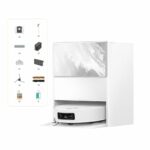
Both bases auto-empty dust bins, wash mops with hot water, dry them with heated air, and include detergent dispensers. The Dreame L50s Pro Ultra uses third-generation self-cleaning for its washing tray, whilst the Roborock employs version 2.0 of this technology. Essentially, the base cleans its own components to prevent bacterial buildup and odours.
Storage capacities favour the Dreame. Its dust bag holds 3.2 litres versus 2.5 litres in the Roborock, meaning less frequent bag changes. Clean water tanks measure 4.5 litres on the Dreame compared to 4 litres on the Roborock, whilst dirty water capacity is 4 litres versus 3 litres respectively. These differences might seem minor but add up over weeks of use, particularly in homes with pets or children where floors get dirty quickly.
The Dreame offers an optional plumbing connection kit, purchased separately, allowing permanent water supply and drainage connections. This removes the need to refill clean water or empty dirty water manually. The Roborock doesn't provide this option, requiring traditional tank management.
Dimensions
Height becomes crucial when cleaning under furniture. The Roborock Saros 10R measures just 79.8mm tall—low enough to slip beneath most sofas and beds. The Dreame L50s Pro Ultra stands 103.8mm high, which may prevent access under lower-clearance furniture. This 24mm difference genuinely affects which areas get cleaned without manual intervention.
Diameter varies slightly: 350mm for the Dreame versus 353mm for the Roborock. This minimal difference won't impact navigation through doorways or around furniture legs.
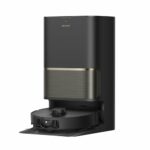
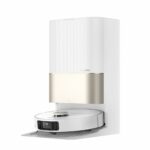
Base dimensions show the Roborock measuring 381mm wide, 488mm tall, and 475mm deep. The Dreame's base is narrower at 340mm but taller at 590mm and slightly less deep at 457mm. Consider available floor space when choosing—the Dreame needs more vertical clearance whilst the Roborock requires extra width.
Real-World Usage
For homes with multiple pets, the Dreame L50s Pro Ultra's superior suction and dual HyperStream brushes handle heavy shedding seasons more effectively. The higher obstacle recognition count also helps navigate around pet toys and feeding bowls without becoming stuck.
The Roborock Saros 10R suits properties with low-clearance furniture thanks to its slimmer profile. If your beds or sofas sit close to the floor, this model reaches areas the taller Dreame cannot. The longer battery runtime also benefits larger homes, reducing cleaning interruptions.
Households prioritising mopping performance might appreciate the Roborock's warm water mopping, particularly useful on kitchen floors where grease and food residue accumulate. The Dreame's Roboswing movement helps along skirting boards and under cabinet toe kicks, areas where dirt often hides.
Maintenance intervals differ slightly due to tank capacities. The Dreame's larger reservoirs mean less frequent attention to the base station, convenient for busy households or those who travel regularly and want extended autonomous operation.
Conclusion: Which Should You Choose?
Choose the Dreame L50s Pro Ultra if you need maximum suction power for deep carpet cleaning, have pets that shed heavily, or want the option to connect the base to plumbing for complete hands-off operation. The larger tank capacities reduce maintenance frequency, whilst superior obstacle recognition prevents the robot getting stuck around cluttered areas. This model suits homes without extremely low furniture where the taller profile won't limit access.
Choose the Roborock Saros 10R if you have low-clearance furniture that requires a slimmer robot profile, value warm water mopping for better stain removal, or need extended battery life for larger properties. The greater mop lift height protects thicker carpets from moisture, whilst the established 2025 release means proven reliability and readily available support. This represents the safer choice for those wanting a robot aspirador that's already proven itself in real-world conditions.
For homes combining pets, large floor areas, and mixed flooring types, the Dreame offers raw power and capacity. For properties prioritising furniture access and mopping quality with proven performance, the Roborock delivers refined execution. Both represent serious investments in home automation, so match the specifications to your actual living situation rather than simply choosing the newest model.