✨ VS Analyze · VacuumSpain comparison technology. AI-generated explanation based on verified technical data.
Introduction
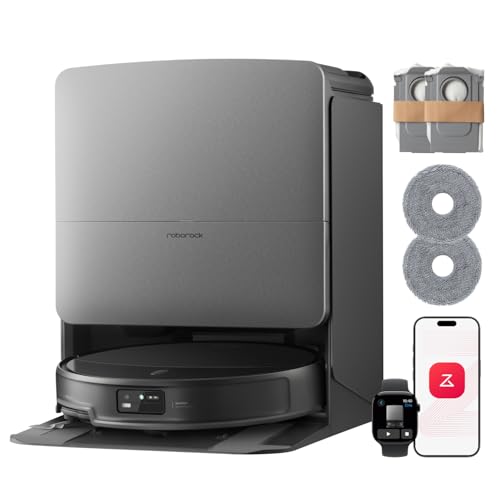
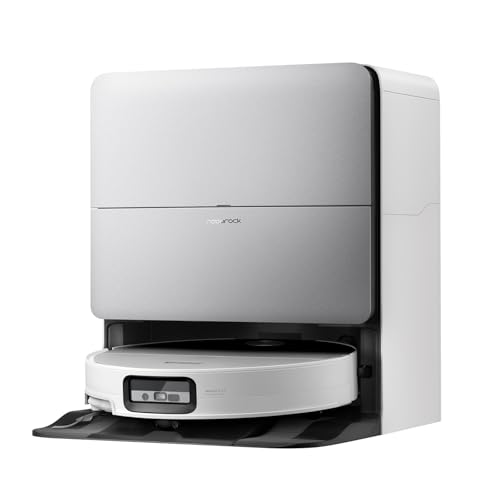
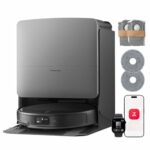
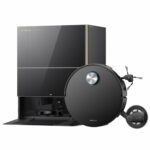
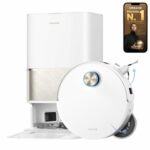
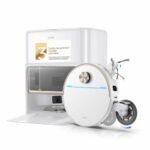
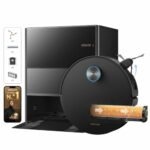
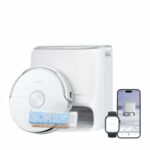
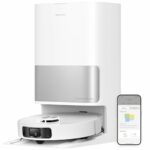
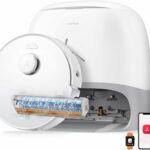
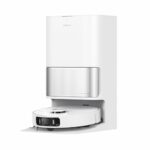
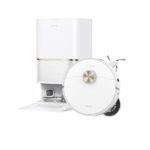
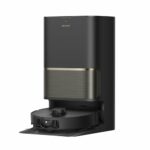
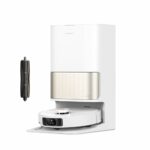
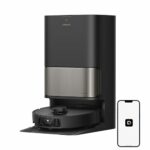
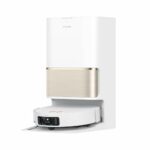
Roborock presents three high-end models that share many similarities, but with technical differences that may prove decisive depending on the type of home and cleaning needs. The Roborock Saros 20 and the Roborock Saros 20 Sonic arrived on the market in 2026, whilst the Roborock Saros Z70 did so in 2025. All three integrate advanced navigation technology, powerful mopping systems with warm water and multifunctional bases that wash and dry the mops with hot air.
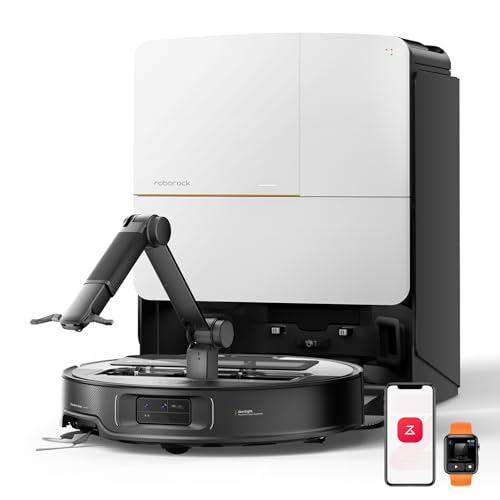
The Saros 20 and the Saros 20 Sonic stand out for their impressive suction power of 36,000 Pa, far superior to the 22,000 Pa of the Z70. This difference marks a turning point for those seeking the best robot vacuum in homes with carpets or pets. The Saros 20 Sonic introduces a vibratory mopping system that differentiates it from its siblings, equipped with dual rotating mops. The Z70, on the other hand, incorporates an OmniGrip robotic arm that neither of the other two possesses.
Power and Suction
Suction power is where the greatest gap between these models is appreciated. The Roborock Saros 20 and the Saros 20 Sonic reach 36,000 Pa, a figure that far exceeds the 22,000 Pa of the Z70. This difference translates into a much superior capacity to extract ingrained dirt from long-pile carpets or to pick up heavier debris such as sand or soil.
All three units mount anti-tangle main brushes. The Saros 20 and the Saros 20 Sonic integrate the DuoDivide Anti-Tangle system, whilst the Z70 uses an anti-tangle brush without specifying the exact model. All lift the main brush during mopping to prevent it from getting wet and maintain efficiency on hard floors.
As for the side brush, all three models share identical characteristics: extendable side brush to better reach corners, liftable during mopping and with anti-tangle technology. This configuration proves especially useful in homes with pets where hair tends to accumulate at the edges.
Mopping
The mopping system marks one of the most interesting differences in this robot vacuum comparison. The Roborock Saros 20 and the Z70 employ two rotating mops, a system that provides uniform and consistent mopping. The Saros 20 Sonic, however, opts for a vibratory mop that offers greater movement frequency on small surfaces.
Mop lift varies between models. The Saros 20 and the Z70 can lift the mops between 12 and 22 mm, sufficient to climb medium-thickness carpets without wetting them. The Saros 20 Sonic reaches between 8 and 18 mm, somewhat less, but still effective for most domestic carpets. All three extend the mops to mop edges with greater precision.
All mop with warm water, which improves the dissolution of grease and adhered stains. Furthermore, they detect dirt both on the mops and on the floor, adjusting the cleaning process when necessary. The automatic mop removal function at the base allows the robot to vacuum without dragging the mops when only sweeping is required.
Navigation System
The Roborock Saros 20 and the Z70 use the StarSight 2.0 system, which combines dual cameras with front 3D laser sensors. The Saros 20 Sonic, on the other hand, mounts a retractable LiDAR alongside the same dual cameras and 3D sensors. Both approaches guarantee precise mapping and smooth navigation, although the retractable LiDAR of the Saros 20 Sonic may prove advantageous in very tight spaces under low furniture.
The obstacle recognition capacity is notably superior in the Saros 20 and the Saros 20 Sonic, which identify up to 300 different objects. The Z70 recognises 108 obstacles, a figure that remains high but lower than that of its more recent siblings. All three detect pets and have remote camera access, useful for home surveillance.
The Saros 20 and the Saros 20 Sonic incorporate curtain detection, a function that prevents the robot from getting tangled or dragging fabrics. The Z70 does not include this feature. All have LED for night vision, which allows scheduled cleaning without natural light.
Autonomy and Battery
All three Roborock robot vacuums mount 6,400 mAh batteries, a generous capacity that ensures prolonged autonomy. Although the exact minutes of operation nor the charging time are specified, this capacity usually translates into cleaning sessions sufficient for large homes without the need for intermediate recharges.
The identical battery in all three models equalises the conditions of use in terms of autonomy, although the greater suction power of the Saros 20 and the Saros 20 Sonic could consume energy more quickly when used at maximum.
Smart Functions
All three models can overcome simple steps, facilitating passage between rooms with small level differences or door thresholds. This capability proves practical in homes with different floor levels or transitions between rooms.
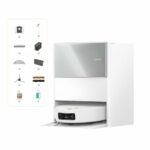
The Roborock Saros Z70 is the only one that integrates an OmniGrip robotic arm, an advanced functionality that allows it to manipulate small objects or interact with home elements autonomously. Neither the Saros 20 nor the Saros 20 Sonic have this technology, which makes the Z70 a differentiated option for those seeking additional capabilities beyond conventional cleaning.
All incorporate their own voice assistant and compatibility with external assistants such as Alexa or Google Home, allowing voice control and automations within the home automation ecosystem.
Multifunctional Cleaning Base
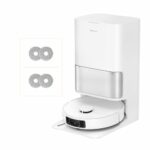
All three multifunctional bases perform auto-emptying of the dust bin, mop washing with hot water and drying with hot air. This combination ensures that the mops remain clean during mopping and dry properly upon completion, avoiding bad odours.
The Saros 20 and the Z70 have self-cleaning wash tray with hot water. The Saros 20 Sonic also cleans the tray, but specifies that it uses version 2.0 of this system, although no specific technical differences are detailed. All three include a detergent tank to add cleaning product during mop washing.
The dust bag capacity is 2.5 litres in all three models, sufficient for several weeks without changes. The clean water tanks are 4 litres and the dirty water tanks 3 litres, identical dimensions that allow similar autonomy in mopping. None offers integrated connection to plumbing nor optional kit for it.
Dimensions
The robots have identical dimensions: 353 mm in diameter and 79.8 mm in height. This uniformity makes it easier for any of the three to pass under low furniture with the same ease, an important aspect for cleaning under sofas or beds without manual intervention.
The bases, however, present differences. The Saros 20 Sonic measures 409 mm in width, 470 mm in height and 440 mm in depth, dimensions slightly more compact than those of the Saros 20 and the Z70, which reach 381 mm in width, 488 mm in height and 475 mm in depth. In reduced spaces, the base of the Saros 20 Sonic may prove easier to position.
Real-World Experience
For large homes with carpets and pets, the Saros 20 and the Saros 20 Sonic offer clear advantages thanks to their 36,000 Pa power. This suction capacity allows extracting hair and deep dirt more effectively than the Z70. The anti-tangle brushes in all three models minimise manual maintenance, something that is appreciated when there are animals at home.
The rotating mop system of the Saros 20 and the Z70 provides consistent mopping, whilst the vibratory mop of the Saros 20 Sonic may be more effective on spot stains. The mop lift of the Saros 20 and the Z70, with 12-22 mm, allows traversing thicker carpets without risk of wetting them, something that the Saros 20 Sonic, with 8-18 mm, manages well but with less margin.
The expanded recognition of 300 obstacles in the Saros 20 and the Saros 20 Sonic improves navigation in homes with lots of furniture or toys on the floor. The Z70, with 108 recognised obstacles, remains competent but less versatile in complex environments. Curtain detection in the first two avoids tangles that can interrupt cleaning.
The robotic arm of the Z70 opens possibilities for use beyond sweeping and mopping, although its usefulness will depend on the specific needs of each user. For those who prioritise cleaning exclusively, this function may not justify the choice of model.
Conclusion: Which to Choose?
Choose the Roborock Saros 20 if you seek maximum suction power combined with a rotating mop system and generous lift of 12-22 mm. It is ideal for large houses with thick carpets, pets and the need for advanced obstacle recognition. Its StarSight 2.0 navigation system and the capacity to identify 300 objects make it a solid option for homes with lots of furniture.
Choose the Roborock Saros 20 Sonic if you prefer a vibratory mopping system and a slightly more compact base. Although the mop lift is somewhat lower (8-18 mm), it remains sufficient for most domestic carpets. It maintains the 36,000 Pa power and the recognition of 300 obstacles, with the advantage of a retractable LiDAR that can facilitate access under very low furniture.
Choose the Roborock Saros Z70 if you value the OmniGrip robotic arm as a differential functionality and do not need maximum suction power. With 22,000 Pa it remains a powerful unit, suitable for hard floors and medium-thickness carpets. It is a good option if you seek advanced technology beyond conventional cleaning, although the recognition of 108 obstacles and the absence of curtain detection may limit its versatility in very complex environments.