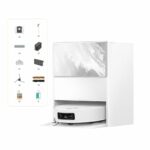
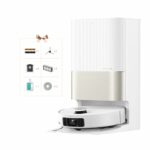
✨ VS Analyses · VacuumSpain comparison technology. Explanation created with AI from verified technical data.
Introduction
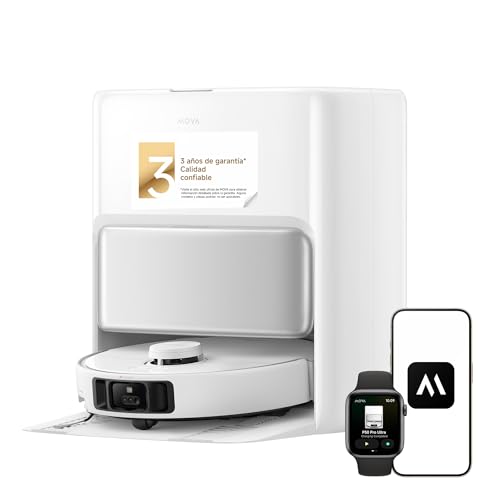
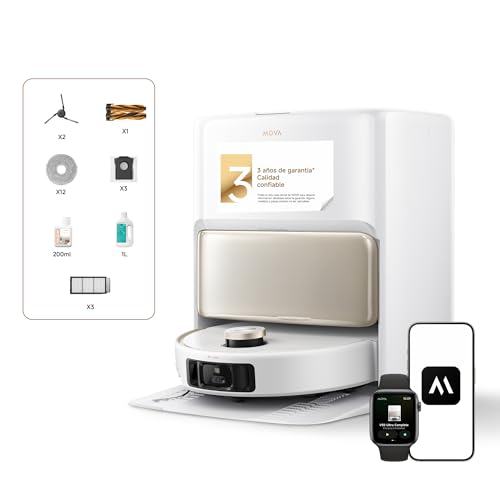
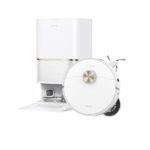
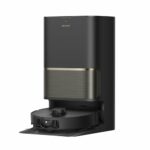
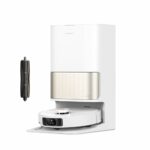
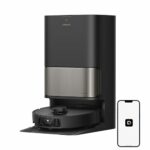
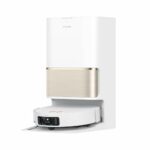
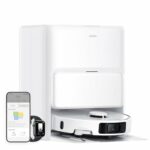
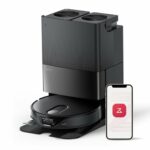
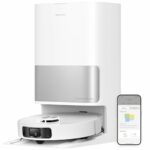
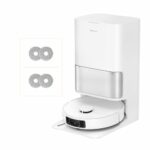
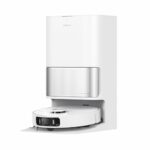
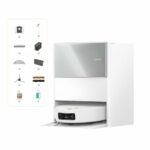
The Mova P50 Pro Ultra and Mova V50 Ultra represent the brand's premium offerings for 2025, both designed to deliver comprehensive cleaning solutions with advanced mopping capabilities and intelligent navigation. These models share the same manufacturer and release year, positioning them as direct alternatives within Mova's high-end range. Both feature multifunctional bases that handle automatic emptying, mop washing and drying, making them suitable for users seeking minimal maintenance and thorough floor care across larger properties.
The differences between these two models lie primarily in their internal specifications and certain premium features. Whilst they share similar dimensions and core functionality, the V50 Ultra incorporates several enhancements that distinguish it from the P50 Pro Ultra. Understanding these variations helps identify which model better matches specific household requirements, whether that's enhanced suction power, extended battery capacity, or particular cleaning technologies.
Power and Suction
Suction performance shows a notable gap between these models. The V50 Ultra generates 24,000 Pa, providing considerably stronger pickup compared to the P50 Pro Ultra's 19,000 Pa. In practical terms, this translates to better performance on carpets and rugs, more effective removal of embedded debris, and superior handling of fine dust particles that often escape less powerful units.
The main brush configuration represents another key distinction. The P50 Pro Ultra employs a TriCut 3.0 brush, which combines bristles with cutting blades to reduce hair tangling. The V50 Ultra takes a different approach with its dual anti-tangle brush system, where two brushes anchored at one end work to prevent hair wrapping altogether. Both designs elevate during mopping to avoid cross-contamination between dry and wet cleaning.
Side brush functionality remains consistent across both models, with each featuring extensible and elevating designs that improve corner coverage and adapt during mopping. The anti-tangle properties extend to the side brushes as well, beneficial for homes with long-haired occupants or pets that shed frequently.
Mopping
Both models utilise dual rotating mopas that extend for edge cleaning and incorporate the Roboswing movement to reach under furniture edges. The mopas elevate 10.5 mm when encountering carpets or rugs, preventing unwanted wetting of textile surfaces. Automatic mop removal at the base station allows the robots to perform dry vacuuming without dragging damp pads across floors.
The critical difference emerges in floor mopping temperature. The V50 Ultra heats water to 55°C for mopping, which helps dissolve grease and tackle stubborn marks more effectively than cold water. The P50 Pro Ultra restricts floor mopping to cold water, though both models wash their mopas with hot water at the base station. For households dealing with kitchen spills, sticky residues or general grime, the heated mopping capability offers tangible advantages.
Both robots detect dirt on the mopas and on the floor itself, triggering additional cleaning passes or mop washing cycles as needed. The base stations on both models wash mopas with hot water and dry them using warm air, helping prevent odours and bacterial growth between cleaning sessions. The third-generation automatic tray cleaning keeps the washing area hygienic without manual intervention.
Navigation System
Navigation technology differs between the two models. The P50 Pro Ultra features a traditional LiDAR turret that protrudes from the top of the robot, whilst the V50 Ultra incorporates a retractable LiDAR system. This retractable design contributes to the V50 Ultra's reduced height, allowing it to access spaces beneath lower furniture that might block the taller P50 Pro Ultra.
Both robots employ dual AI cameras and 3D laser sensors for obstacle detection, combined with LED illumination for low-light conditions. Remote camera access allows users to check on their homes through the robot's vision system. The V50 Ultra recognises up to 200 different object types compared to 160 on the P50 Pro Ultra, potentially offering more nuanced responses to household items and obstacles.
Pet and curtain detection features appear on both models, helping them navigate around animals and avoid tangling with drapes or long fabrics. The CleanGenius AI system operates on both robots, adapting cleaning patterns based on room type, dirt levels and floor surfaces.
Battery and Autonomy
Battery specifications favour the V50 Ultra, which houses a 6,400 mAh cell delivering approximately 220 minutes of runtime. The P50 Pro Ultra's 5,200 mAh battery provides around 210 minutes. Whilst the difference appears modest, the V50 Ultra's superior suction power typically consumes more energy, making the larger battery necessary to maintain similar coverage capabilities.
In practice, both models handle extensive cleaning sessions without requiring mid-clean recharging in most homes. The combination of battery capacity and efficient navigation allows thorough coverage of larger properties in a single run.
Smart Features
Obstacle climbing capabilities differ significantly. The P50 Pro Ultra manages obstacles up to 22 mm high, suitable for standard door thresholds and minor floor transitions. The V50 Ultra advances this with the ability to handle simple stairs, representing a substantial improvement in multi-level navigation, though this doesn't equate to fully autonomous stair climbing between floors.
Both robots include proprietary voice assistants alongside compatibility with external systems like Alexa and Google Home. This allows voice control through multiple platforms depending on user preference and existing smart home ecosystems.
Multifunctional Base Station
The base stations share most specifications, including 3.2-litre dust bags, 4-litre clean water tanks and 3.5-litre dirty water tanks. Both perform automatic emptying, hot water mop washing, warm air mop drying and third-generation tray self-cleaning. Neither model offers integrated plumbing connection or optional connection kits.
Two distinguishing features separate the bases. The V50 Ultra incorporates UV disinfection, adding an extra layer of hygiene to the cleaning process. It also features dual detergent tanks compared to the single tank on the P50 Pro Ultra. The dual-tank configuration allows different cleaning solutions for various floor types or cleaning tasks, though the practical benefit depends on whether users actually maintain separate solutions.
Dimensions
Robot diameter measures 350 mm on both models, but height differs considerably. The V50 Ultra stands 89.5 mm tall, whilst the P50 Pro Ultra reaches 103.8 mm. This 14.3 mm difference proves significant when navigating under furniture. Sofas, beds and cabinets with clearances between 90-104 mm will accommodate the V50 Ultra but block the P50 Pro Ultra.
Base station dimensions remain identical at 420 mm wide, 470 mm tall and 458 mm deep. Both require similar floor space and fit in comparable locations, so base placement considerations don't factor into the decision between models.
Real-World Usage Experience
For homes with substantial floor areas, the V50 Ultra's enhanced suction and slightly extended battery runtime provide more thorough cleaning, particularly on carpets and textured surfaces. The heated floor mopping proves especially valuable in kitchens and dining areas where grease and food residues accumulate.
Pet owners benefit from both models' anti-tangle brush systems, though the V50 Ultra's dual-brush configuration may offer marginal improvements with heavy shedding. The superior suction also helps extract pet hair from carpet fibres more effectively.
Properties with low-clearance furniture favour the V50 Ultra's reduced height, expanding the cleanable area without requiring furniture elevation or manual intervention. The retractable LiDAR contributes directly to this advantage.
Maintenance requirements remain similar between models, with both offering automatic mop removal, hot mop washing and warm air drying. The UV disinfection on the V50 Ultra adds peace of mind for households particularly concerned about hygiene, though both systems maintain cleanliness through their washing and drying cycles.
Conclusion: Which to Choose?
Choose the Mova P50 Pro Ultra if: you're seeking capable cleaning performance at a potentially lower price point, your furniture clearances exceed 104 mm, and cold water mopping meets your floor care requirements. The TriCut 3.0 brush handles hair effectively, and the 19,000 Pa suction manages most household debris competently. This model suits homes without extensive low-clearance furniture where the height difference doesn't impact coverage.
Choose the Mova V50 Ultra if: maximum suction power matters for your carpets and rugs, you have furniture requiring a lower-profile robot, or you value hot water floor mopping for tackling kitchen grime and sticky residues. The enhanced battery capacity, dual detergent tanks and UV disinfection represent meaningful upgrades for larger homes or households prioritising thorough sanitisation. The ability to handle simple stairs extends cleaning coverage beyond what the P50 Pro Ultra can manage, and the superior object recognition helps navigate complex environments more intelligently.
Both models deliver comprehensive cleaning with minimal user intervention, making them suitable for anyone wanting automated floor care. The decision ultimately rests on whether the V50 Ultra's performance enhancements and reduced height justify the investment over the capable P50 Pro Ultra.