✨ VS Analyze · VacuumSpain comparison technology. AI-generated explanation based on verified technical data.
Introduction
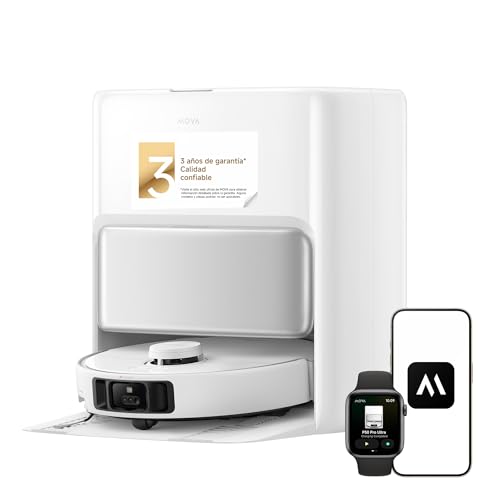
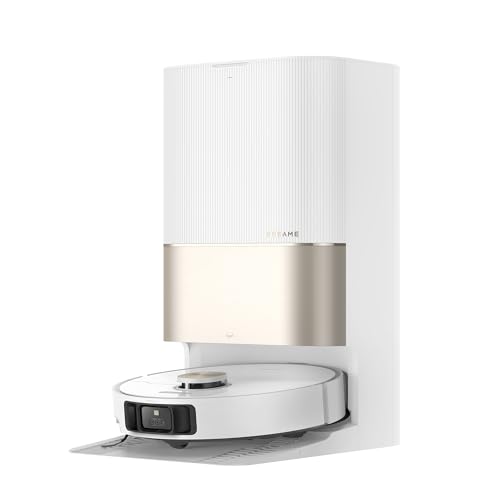
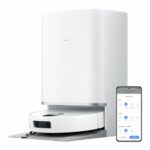
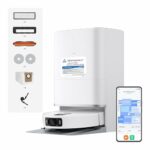
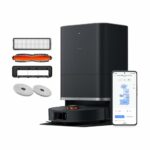
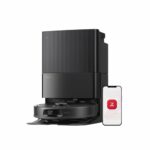
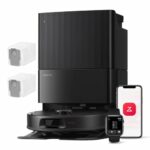
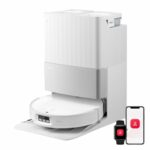
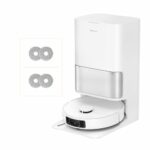
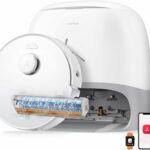
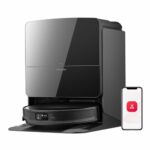
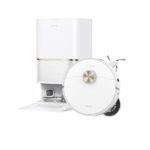
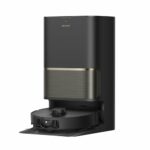
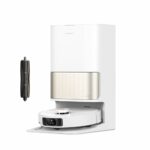
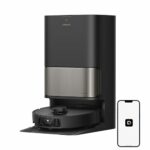
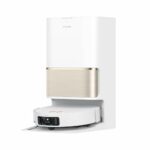
The Mova P50 Pro Ultra represents the 2025 generation of premium cleaning robots, whilst the Dreame X40 Ultra arrived in 2024 as a high-end solution from the same parent company. Both models feature multifunction bases that handle washing and drying of mops, making them suitable for homes where mopping performance matters as much as vacuuming capability. The P50 Pro Ultra pushes specifications further with notably higher suction power and introduces features like an integrated voice assistant, whereas the X40 Ultra offers proven technology with slightly larger battery capacity and a more compact base footprint.
These robots target users seeking comprehensive automated cleaning with minimal intervention. The multifunction bases mean both models return periodically during mopping to clean their pads, ensuring consistently fresh mopping throughout the cleaning cycle rather than dragging dirty mops across floors.
Power and vacuuming
The suction power difference stands out immediately. The Mova P50 Pro Ultra delivers 19,000 Pa compared to the Dreame X40 Ultra's 12,000 Pa. This substantial gap translates to better performance on carpets and rugs, plus more effective pickup of fine dust particles embedded in floor crevices. For homes with thick pile carpets or pets that shed heavily, this extra power makes a tangible difference in cleaning results.
The main brush design differs too. Mova equips the P50 Pro Ultra with its TriCut 3.0 system, which combines bristles with integrated cutting blades that slice through tangled hair as it accumulates. The X40 Ultra uses a simpler brush design without this specific anti-tangle technology. Both models lift their main brushes when mopping to avoid dragging dirty brushes across wet floors.
Side brush functionality matches closely. Both extend outwards to reach into corners more effectively and lift when mopping to prevent flicking water droplets. The anti-tangle feature appears on both models' side brushes as well, reducing maintenance frequency.
Mopping system
Mopping capabilities align remarkably well between these models. Each uses dual rotating mops that extend outwards to clean along skirting boards and into corners. The extension includes the Roboswing movement, where the robot shifts its rear end slightly to push mops further under furniture edges and overhangs. Mop elevation reaches 10.5 mm on both, sufficient to pass over low-pile rugs without soaking them.
Both robots mop with cold water rather than heated water from an internal tank. The bases wash mops using hot water though, which helps break down grease and grime more effectively than cold washing. Drying happens with heated air in both cases, speeding up the process and reducing the risk of musty odours developing on damp pads.
Dirt detection works on two levels for both models. Sensors in the mops identify when pads become heavily soiled, triggering an earlier return to base for washing. Floor dirt detection spots stubborn marks and concentrates cleaning effort on those areas. The automatic mop removal feature lets both robots drop their mopping pads at the base when you only want vacuuming, avoiding the need to manually detach them.
Navigation system
Navigation technology proves nearly identical. Both employ 3D LiDAR turrets for mapping and dual AI cameras for obstacle recognition. The 3D laser sensors at the front help detect objects at floor level that the overhead LiDAR might miss. LED lighting enables the cameras to function in darkness, useful for scheduled night-time cleaning.
The Mova P50 Pro Ultra recognises 160 different object types compared to 120 on the X40 Ultra. This expanded recognition database means fewer situations where the robot might struggle to identify an unusual item, though in practical terms both systems handle typical household obstacles like shoes, cables, pet toys and furniture legs without issue. Pet recognition works on both, allowing them to avoid disturbing sleeping animals or navigate around feeding areas.
Curtain detection prevents both robots from becoming entangled in long drapes or room dividers. Remote camera access lets you check on your home through the robot's front cameras via the app, adding a security monitoring dimension beyond just cleaning.
Battery and autonomy
Battery specifications diverge here. The Dreame X40 Ultra packs a 6,400 mAh cell versus the 5,200 mAh unit in the P50 Pro Ultra. Despite this capacity advantage, runtime only extends to 194 minutes on the X40 Ultra compared to 210 minutes on the P50 Pro Ultra. The higher suction power of the Mova model might suggest shorter runtime, but efficiency optimisations appear to compensate.
In practice, 210 minutes covers extensive floor areas before requiring a recharge. For most homes under 200 square metres, either robot completes a full clean on a single charge. Larger properties benefit more from the P50 Pro Ultra's longer runtime, reducing the need for mid-clean charging stops.
Smart features
Both robots climb obstacles up to 22 mm high, handling transitions between rooms with different flooring levels, thick door bars and low thresholds without getting stuck. This climbing ability matters more than it might seem, as many robots struggle with even modest height changes.
The Mova P50 Pro Ultra includes its own voice assistant, letting you issue commands directly to the robot without routing through Alexa or Google Home. This adds convenience if you prefer not to use external smart home ecosystems. The X40 Ultra integrates with Alexa and Google Assistant but lacks an onboard assistant. Neither model features a robotic arm for tasks beyond cleaning.
Multifunction base
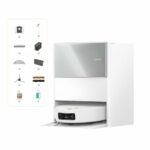
Base functionality covers the essentials on both models. Automatic dust emptying, hot water mop washing and heated air drying all feature as standard. Each base holds a 3.2-litre dust bag and includes detergent dispensers for adding cleaning solution during mop washing.
The Mova P50 Pro Ultra uses third-generation self-cleaning for its washing tray, whilst the X40 Ultra employs second-generation technology. The newer system on the P50 Pro Ultra should maintain better hygiene in the base's washing area with less manual intervention required.
Water tank sizes differ slightly. The P50 Pro Ultra provides 4 litres of clean water and 3.5 litres of dirty water capacity. The X40 Ultra offers 4.5 litres clean and 4 litres dirty. These differences rarely impact daily use, as both capacities suffice for multiple cleaning sessions before requiring refills or emptying.
Dreame offers an optional plumbing connection kit for the X40 Ultra, purchased separately, which allows permanent connection to water supply and drainage. This eliminates tank maintenance entirely but requires installation near suitable plumbing. The P50 Pro Ultra doesn't offer this accessory. Neither model includes built-in plumbing connectivity as standard.
Physical dimensions
Robot diameter measures 350 mm for both models, standard for premium robots. Height differs more noticeably: the X40 Ultra stands 97 mm tall whilst the P50 Pro Ultra reaches 103.8 mm. Those extra 6.8 mm might prevent the Mova model from accessing under certain low-clearance furniture where the Dreame unit fits. If you have sofas, beds or cabinets with tight clearances, measuring before purchasing makes sense.
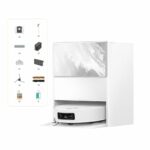
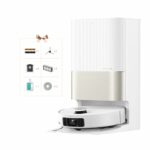
Base footprints follow different philosophies. The P50 Pro Ultra's base measures 420 mm wide, 470 mm tall and 458 mm deep. The X40 Ultra's base spans 340 mm wide, 590.5 mm tall and 456.7 mm deep. The Mova base claims more floor width but less vertical space, whilst the Dreame base rises taller but occupies less width. Your available space determines which configuration suits better—tight alcoves favour the narrower X40 Ultra base, whilst low-ceiling cupboards suit the shorter P50 Pro Ultra base.
Real-world usage
For homes with multiple floor types, both robots adapt well. The powerful suction on the P50 Pro Ultra gives it an edge on carpets, particularly thicker varieties where deeper suction extracts more embedded dirt. Hard floors and tiles see excellent results from either model thanks to the rotating mop systems and hot water washing at the base.
Pet owners gain advantages from the TriCut 3.0 brush on the P50 Pro Ultra, as the integrated cutting mechanism reduces how often you need to manually clear wrapped hair. The X40 Ultra's simpler brush requires more frequent maintenance in homes with long-haired pets. Both models' higher obstacle recognition counts help them navigate around pet bowls, toys and beds without collisions.
Large properties benefit from the P50 Pro Ultra's longer runtime, covering more ground before returning to recharge. The X40 Ultra's larger battery doesn't quite compensate for its lower efficiency, though the difference only becomes critical in homes exceeding 150-200 square metres of cleanable floor space.
Maintenance burden stays manageable on both thanks to the multifunction bases handling most tasks automatically. The third-generation tray cleaning on the P50 Pro Ultra should mean slightly less frequent deep cleaning of the base itself compared to the X40 Ultra's second-generation system.
Conclusion: which to choose?
Choose the Mova P50 Pro Ultra if: you want maximum suction power for deep carpet cleaning, have pets that shed heavily and would benefit from the TriCut 3.0 anti-tangle brush, prefer the integrated voice assistant for direct control, or have a large home where the extended runtime proves valuable. The third-generation base self-cleaning also appeals if you want to minimise base maintenance further.
Choose the Dreame X40 Ultra if: you need to fit the robot under very low furniture where every millimetre of height matters, have an alcove or narrow space where the slimmer base fits better, want the option to add plumbing connectivity in future (though this requires purchasing the separate kit), or prefer the proven 2024 technology at what may be a more competitive price point given its earlier release.
Both represent capable options for comprehensive automated cleaning with strong mopping performance. The P50 Pro Ultra pushes specifications higher across several areas, particularly suction power and brush technology. The X40 Ultra counters with slightly better space efficiency and the potential for plumbing integration. Your specific home layout, flooring mix and whether you prioritise maximum cleaning power versus compact dimensions guide the choice between these two closely matched robots.