✨ VS Analyses · VacuumSpain comparison technology. Explanation created with AI from verified technical data.
Introduction
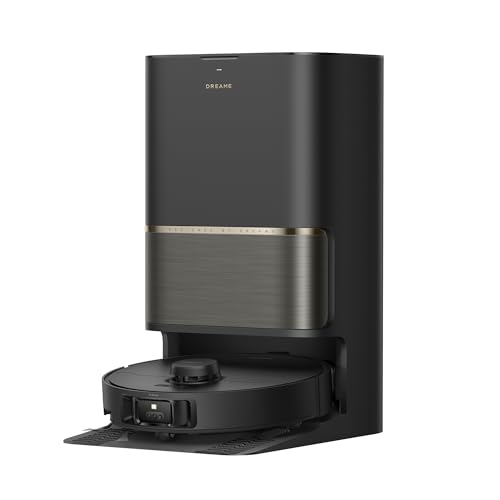
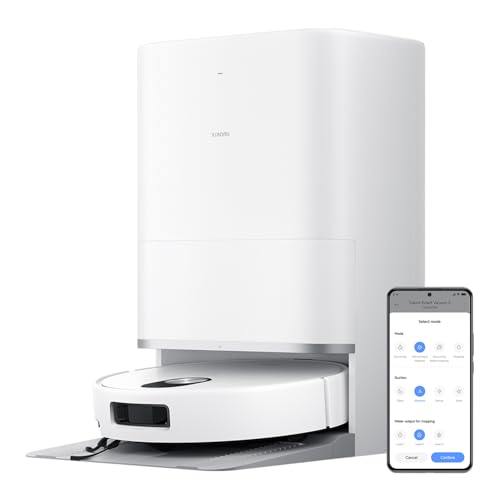
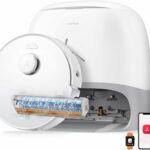
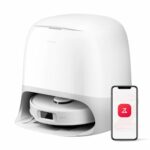
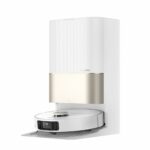
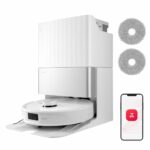
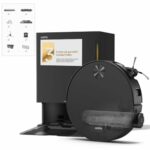
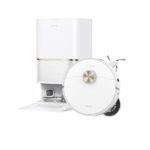
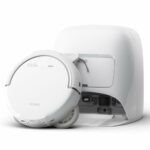
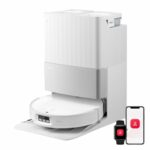
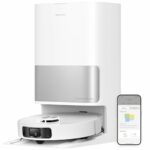
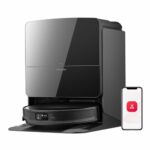
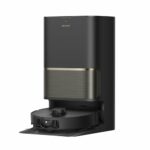
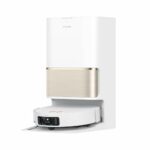
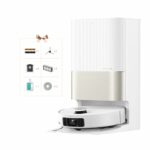
The Dreame L50s Pro Ultra and Xiaomi Robot Vacuum 5 represent two distinct approaches to premium robot vacuum technology, with the Dreame model launching in 2026 and the Xiaomi arriving in 2025. These aren't entry-level machines—both feature multifunction bases with hot water mop washing and heated air drying, dual rotating mops, and advanced navigation systems. The Dreame pushes further into high-end territory with a substantial 30,000 Pa suction power and dual AI cameras, whilst the Xiaomi takes a more streamlined approach with 20,000 Pa suction and a retractable LiDAR system.
For households seeking comprehensive automation with minimal intervention, both models deliver auto-emptying dust collection, mop washing, and drying. The choice between them hinges on specific needs: the Dreame targets users wanting maximum intelligence and adaptability, particularly in homes with pets or complex floor plans, whilst the Xiaomi offers solid performance with a slimmer profile that excels at navigating under furniture.
Power and Suction
The suction gap between these models is significant. The Dreame L50s Pro Ultra delivers 30,000 Pa, a figure that places it amongst the most powerful robot vacuums available. This translates to more effective carpet deep-cleaning and better performance on stubborn debris embedded in textured surfaces. The Xiaomi Robot Vacuum 5's 20,000 Pa remains respectable for daily maintenance, handling hard floors and low-pile carpets without difficulty, but won't match the Dreame when tackling ground-in dirt or high-pile rugs.
Brush technology differs notably. The Dreame employs a dual HyperStream brush system, designed specifically to prevent hair tangles by using two independently anchored brushes that push debris towards the suction inlet. The Xiaomi opts for TriCut 3.0, combining bristles with integrated cutting blades that slice through tangled hair. Both approaches reduce maintenance compared to traditional bristle brushes, though the HyperStream design tends to require less frequent manual cleaning in practice.
An important distinction appears in brush elevation. The Dreame lifts both its main brush and side brush during mopping, preventing wet carpet contact and keeping brushes clean when only floor washing is needed. The Xiaomi lacks this feature—its brushes remain in position regardless of cleaning mode. This matters particularly when transitioning between hard floors and rugs, where the Dreame adapts automatically whilst the Xiaomi requires more manual intervention through app settings.
Both models feature extendable and anti-tangle side brushes, ensuring thorough edge cleaning without the frustration of hair-wrapped components.
Mopping Performance
Both robots utilise dual rotating mops that extend to reach edges more effectively. The Dreame L50s Pro Ultra adds its Roboswing function, creating a swaying motion that pushes the mop slightly under furniture lips and skirting boards—useful for capturing dust that accumulates in these typically missed zones.
Mop elevation reveals an interesting reversal: the Xiaomi lifts its mops 15 mm, whilst the Dreame manages 10.5 mm. This extra clearance on the Xiaomi provides better protection for medium-pile rugs and reduces the risk of damp contact with carpets. However, the Dreame compensates through its automatic mop removal system—when returning to the base, it can completely detach the mop assembly, allowing pure vacuuming without any mopping components attached. The Xiaomi simply lifts its mops but cannot remove them entirely.
Dirt detection sets the Dreame apart. It monitors both mop cleanliness and floor soiling levels, automatically extending cleaning time or making additional passes when it identifies stubborn marks. The Xiaomi lacks this intelligence, following predetermined cleaning patterns without adapting to actual floor conditions.
Both bases wash mops with hot water and dry them using heated air, preventing odours and bacterial growth. The Dreame includes third-generation automatic tray cleaning, as does the Xiaomi, ensuring the washing station itself remains hygienic. Only the Dreame provides a detergent tank, dispensing cleaning solution during mop washing for enhanced cleaning results.
Navigation System
Navigation technology diverges substantially. The Dreame L50s Pro Ultra combines a traditional 3D LiDAR turret with dual AI cameras, creating a comprehensive environmental map. This dual-camera setup enables it to recognise 220 different obstacle types, including specific items like pet waste, curtains, and small objects that might obstruct cleaning. The system includes LED illumination for low-light operation and offers remote camera access, allowing you to check on your home through the robot's vision.
The Xiaomi Robot Vacuum 5 uses a retractable LiDAR system paired with a frontal 3D laser sensor. The retractable design allows the entire sensor assembly to lower when not needed, contributing to the robot's slimmer 88 mm height. Whilst it handles obstacle avoidance competently, it lacks camera-based recognition—it can detect objects but cannot identify what they are. Pet recognition, curtain detection, and remote viewing simply aren't available.
For homes with pets, the Dreame's ability to identify and avoid animal waste proves valuable. The Xiaomi will detect an obstacle and navigate around it, but won't distinguish between a shoe and something requiring more careful avoidance.
Battery and Autonomy
Both models share identical 5,200 mAh battery capacity. The Xiaomi specifies 140 minutes of runtime, though the Dreame doesn't publish an equivalent figure. In practice, actual runtime varies considerably based on suction power settings, floor type, and whether the robot is vacuuming, mopping, or doing both simultaneously. The Dreame's higher maximum suction will drain the battery faster when operating at full power, though most cleaning occurs at moderate settings where both should deliver similar endurance.
Neither manufacturer provides charging time data, though modern lithium batteries in this capacity range typically require 3-4 hours for a complete charge.
Smart Functions
Obstacle climbing capabilities differ meaningfully. The Xiaomi can surmount obstacles up to 20 mm high, handling standard door thresholds and minor floor transitions with ease. The Dreame specifies "simple step climbing" without providing a precise measurement, suggesting it manages typical household thresholds but perhaps not as aggressively as the Xiaomi.
The Dreame L50s Pro Ultra incorporates a built-in voice assistant, allowing direct voice control without requiring external smart home systems. Both robots support Alexa and Google Home integration, but the Dreame's native assistant functions independently of these platforms.
Both models feature AI-driven cleaning optimisation—the Dreame through its CleanGenius system and the Xiaomi through its own intelligent cleaning algorithms. These systems adjust suction power, water flow, and cleaning patterns based on room type and floor conditions detected during operation.
Multifunction Base
The base stations share core functionality: automatic dust emptying, hot water mop washing, and heated air drying. Capacity differences emerge in the details. The Dreame provides a larger 3.2-litre dust bag versus the Xiaomi's 2.5 litres—this translates to roughly 30% more capacity before bag replacement becomes necessary, potentially extending maintenance intervals to 8-10 weeks in typical households.
Water tank sizing favours the Dreame slightly: 4.5 litres clean water versus 4 litres, and 4 litres dirty water versus 3.8 litres. These differences prove marginal in daily use—both handle large homes without requiring mid-clean refills—but the Dreame edges ahead for very large properties or multiple consecutive cleaning sessions.
The detergent tank on the Dreame dispenses cleaning solution during mop washing, enhancing cleaning effectiveness without manual intervention. The Xiaomi lacks this feature entirely, relying on hot water alone for mop cleaning.
Dreame offers an optional plumbing connection kit, purchased separately, that allows permanent water supply and drainage connections. This eliminates manual tank filling and emptying, though it requires installation near water and waste pipes. The Xiaomi provides no equivalent option.
Dimensions
The most striking dimensional difference lies in robot height. At 88 mm, the Xiaomi Robot Vacuum 5 slips under furniture that the 103.8 mm Dreame cannot access. This 15.8 mm difference determines whether the robot fits beneath beds, sofas, and cabinets—crucial for homes with low-clearance furniture. Both share a 350 mm diameter, standard for modern robot vacuums.
Base dimensions prove similar, with the Dreame measuring 340 mm wide, 590 mm tall, and 457 mm deep, whilst the Xiaomi spans 360 mm wide, 572 mm tall, and 470 mm deep. The Dreame stands slightly taller but narrower and shallower; the Xiaomi spreads wider and deeper but sits lower. Neither requires significantly more floor space than the other, though the specific dimensions might matter depending on intended placement locations.
Real-World Usage
For pet owners, the Dreame L50s Pro Ultra presents clear advantages. Its dual cameras identify pets and their waste, the HyperStream brush resists hair tangles effectively, and the 30,000 Pa suction pulls embedded pet hair from carpets and upholstery more aggressively. The dirt detection system also proves valuable when pets track in mud or scatter food, triggering additional cleaning passes automatically.
The Xiaomi excels in homes with abundant low-clearance furniture. That 88 mm height grants access to spaces the Dreame simply cannot reach, ensuring comprehensive coverage without manual intervention. The 15 mm mop lift also provides superior carpet protection, particularly beneficial for households mixing hard floors with medium-pile rugs.
Large homes benefit from the Dreame's larger dust bag and water tanks, reducing maintenance frequency. The automatic mop removal feature also streamlines operation—you can schedule vacuum-only sessions without manually detaching mop pads, then restore full functionality for mopping days without intervention.
Both handle hard floors, engineered wood, and tiles effectively. The hot water mop washing and heated drying ensure hygienic operation regardless of floor type, whilst the rotating mops tackle dried spills and sticky residues that static mops miss.
Conclusion: Which to Choose?
Choose the Dreame L50s Pro Ultra if: you own pets and need reliable waste avoidance; maximum suction power matters for deep carpet cleaning; you value AI-driven adaptability with dirt detection and automatic re-cleaning; you want remote camera access for home monitoring; a built-in voice assistant appeals; or you're considering future plumbing connection for ultimate automation. The larger dust bag and detergent tank also suit those preferring extended maintenance intervals.
Choose the Xiaomi Robot Vacuum 5 if: your home features low-clearance furniture requiring an 88 mm profile; you prioritise higher mop elevation for better carpet protection; you prefer a more affordable option that still delivers comprehensive cleaning with hot water mop washing and heated drying; or you don't require advanced AI features like pet recognition and camera-based obstacle identification. The 20,000 Pa suction handles typical household cleaning without difficulty, making this a capable choice for hard floors and low-pile carpets.
The Dreame targets users seeking maximum intelligence and adaptability, particularly valuable in complex environments with pets, varied flooring, and challenging layouts. The Xiaomi offers excellent core functionality with a slimmer design, appealing to those who value furniture access and solid performance without requiring cutting-edge AI features.