✨ VS Analyses · VacuumSpain comparison technology. Explanation created with AI from verified technical data.
Introduction
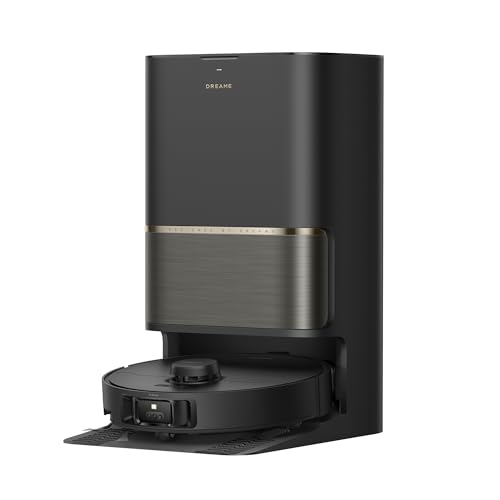
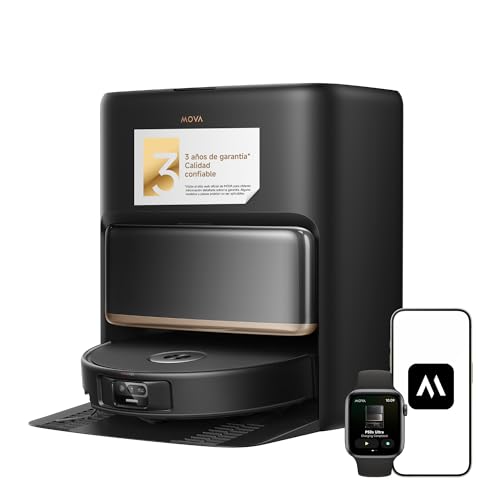
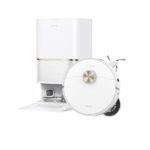
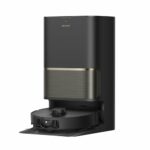
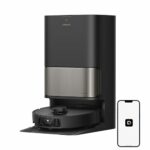
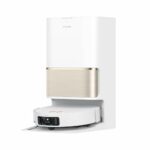
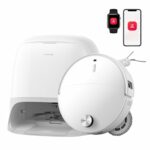
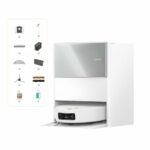
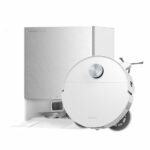
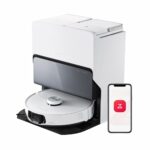
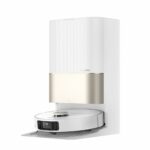
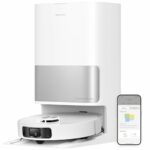
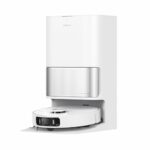
The Dreame L50s Pro Ultra and Mova P50s Ultra represent two closely related premium robot vacuum cleaners with mopping capabilities, both equipped with multifunctional cleaning stations. The Dreame model arrives in 2026, whilst the Mova P50s Ultra launched in 2025. Despite Mova being a sister brand under the same manufacturer, these models present distinct technical specifications that influence their performance in different cleaning scenarios.
The Dreame L50s Pro Ultra delivers 30,000 Pa suction power with a 5,200 mAh battery, featuring LiDAR 3D navigation and recognition of 220 different obstacles. The Mova P50s Ultra offers 24,000 Pa suction paired with a larger 6,400 mAh battery, FlashPulse navigation, and identifies 200 obstacles. Both units incorporate dual rotating mops with edge extension, hot water mop washing, and CleanGenius AI-driven cleaning intelligence.
These robots suit households seeking comprehensive automated cleaning with minimal intervention, particularly those with mixed flooring types and pets. The multifunctional bases handle dust disposal, mop washing, and drying automatically.
Suction Power and Brushing Performance
The Dreame L50s Pro Ultra generates 30,000 Pa suction, providing noticeably stronger airflow compared to the Mova P50s Ultra's 24,000 Pa. This 6,000 Pa difference translates to improved performance on carpets and when extracting debris from textured surfaces. For homes with thick rugs or households managing significant dirt accumulation, this additional power proves beneficial.
Both models feature dual main brushes designed to prevent hair tangles. The Dreame employs a Dual HyperStream brush configuration, whilst the Mova uses a Dual Anti-tangle system. Each design aims to channel hair towards the suction inlet rather than wrapping around bristles, reducing maintenance frequency for pet owners.
Side brush functionality matches closely between the two. Both include extensible side brushes that reach into corners more effectively, and both raise these brushes during mopping to prevent dragging wet debris across cleaned areas. The anti-tangle properties extend to the side brushes as well, maintaining consistent edge cleaning performance even with pet hair present.
Mopping Systems
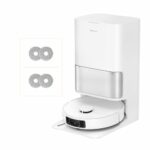
Mopping capabilities remain virtually identical. Both robots deploy dual rotating mops with edge extension functionality, allowing them to reach skirting boards and room perimeters more thoroughly. The extension mechanism includes movement designed to push the mop pads closer to vertical surfaces, addressing a common limitation in robot mopping systems.
Mop lifting reaches 10.5 mm on both models, sufficient clearance to protect carpets and rugs during mixed-floor navigation. Each robot can automatically detach its mop pads at the base when vacuuming-only tasks are scheduled, eliminating the need for manual removal.
The bases wash mops with hot water, improving stain removal compared to cold water systems. Both stations dry the mops using heated air, accelerating the process and reducing bacterial growth between cleaning sessions. Dirt detection sensors monitor mop cleanliness, triggering additional wash cycles when necessary, and soil detection on floors prompts the robots to make repeat passes over particularly dirty areas.
Neither model heats water for floor mopping itself—the hot water function applies only to mop washing within the base. This distinction matters for those expecting heated mopping across floors, which isn't provided here.
Navigation Technology
Navigation approaches differ between these models. The Dreame L50s Pro Ultra uses a LiDAR 3D Turret system, whilst the Mova P50s Ultra employs FlashPulse technology. Both incorporate dual AI cameras and 3D laser sensors at the front for obstacle detection and avoidance.
The Dreame recognises 220 different object types, slightly ahead of the Mova's 200-object database. In practical terms, this expanded recognition library may improve response to unusual household items, though both systems handle typical obstacles—shoes, cables, pet waste, furniture—with competence.
Pet recognition features on both robots, as does curtain detection to prevent entanglement. LED illumination enables night vision for the cameras, and remote camera access allows users to check on homes through the app. These capabilities support not only navigation but also home monitoring functions.
Battery Capacity and Runtime
Battery specifications reveal an interesting trade-off. The Mova P50s Ultra carries a 6,400 mAh battery, substantially larger than the Dreame's 5,200 mAh capacity—a 1,200 mAh advantage. This typically translates to longer runtime before returning to charge, potentially completing larger floor areas in a single session.
However, the Dreame's higher suction power consumes more energy per minute of operation, which may offset some of the battery size disadvantage. Without specific runtime figures provided, the real-world difference depends on cleaning modes selected and floor types encountered.
For extensive properties where the robot must cover substantial distances, the Mova's battery capacity offers reassurance. Smaller homes won't notice the difference, as both robots return to base for mop washing during cleaning cycles anyway, opportunistically recharging during those intervals.
Smart Features and Obstacle Management
Both robots manage single-step obstacles up to 22 mm, enabling them to traverse door thresholds and minor floor level changes without assistance. This capability matters for homes with varied flooring heights between rooms.
Neither model includes a robotic arm, keeping the design focused on core vacuuming and mopping rather than object manipulation. Both feature their own voice assistants and integrate with external voice control systems like Alexa and Google Home, providing multiple interaction methods.
The CleanGenius AI system operates on both models, analysing room conditions and adjusting cleaning parameters accordingly. This intelligence extends to stain recognition, where the AI identifies marks requiring additional attention and modifies cleaning patterns in response.
Multifunctional Base Stations
Base functionality proves nearly identical, with one notable exception. Both stations automatically empty the robot's dust container into 3.2-litre bags, wash mops with hot water, and dry them using heated air. Third-generation self-cleaning for the washing tray maintains hygiene within the base itself.
The Mova P50s Ultra includes UV disinfection, which the Dreame L50s Pro Ultra lacks. This UV system sanitises components within the base, potentially reducing bacterial presence. For households particularly concerned about hygiene—those with young children or immunocompromised individuals—this represents a meaningful addition.
Water tank capacities differ slightly. The Dreame provides a 4.5-litre clean water reservoir and 4-litre dirty water tank, whilst the Mova offers 4 litres clean and 3.5 litres dirty. These differences amount to roughly one additional mopping session before refilling becomes necessary on the Dreame. Both include detergent dispensers for enhanced cleaning performance.
A plumbing connection kit can be purchased separately for the Dreame L50s Pro Ultra, enabling automatic water refilling and drainage when installed. This accessory isn't offered for the Mova P50s Ultra. Whilst convenient for those willing to undertake installation, it's not a core differentiator given its optional nature and additional cost.
Physical Dimensions
Robot height presents the most significant dimensional difference. The Mova P50s Ultra measures just 82.5 mm tall, considerably lower than the Dreame L50s Pro Ultra's 103.8 mm height. This 21.3 mm difference determines access beneath furniture—the Mova navigates under sofas, beds, and cabinets that the Dreame cannot reach.
For homes with low-clearance furniture, this height advantage proves decisive. The ability to clean beneath items rather than around them substantially increases effective coverage without requiring furniture repositioning.
Both robots share a 350 mm diameter, standard for this category and suitable for navigating typical doorways and furniture gaps. The Dreame's dust depot holds 250 ml versus 300 ml in the Mova—a minor difference given both empty automatically into the base.
Base dimensions favour different spatial constraints. The Dreame's station measures 340 mm wide and 590 mm tall, whilst the Mova's is 420 mm wide and 470 mm tall. The Dreame occupies less floor width but requires more vertical clearance, whereas the Mova spreads wider but fits under lower shelving. Depth remains nearly identical at approximately 457-458 mm.
Real-World Application
For households with pets, both models deliver effective hair management through their anti-tangle brush systems and strong suction. The Dreame's 30,000 Pa power provides extra confidence on carpets where pet hair embeds deeply, though the Mova's 24,000 Pa handles typical pet debris competently.
Homes with extensive hard flooring benefit equally from both mopping systems, as the core technology—dual rotating mops, hot water washing, heated drying—matches between models. The UV disinfection on the Mova adds a hygiene layer that some users prioritise.
Properties with low furniture clearly favour the Mova P50s Ultra, where its 82.5 mm height accesses spaces the taller Dreame cannot. This single specification can determine which areas receive automated cleaning versus requiring manual intervention.
Larger homes may appreciate the Mova's bigger battery for extended runtime, whilst those prioritising maximum suction—particularly for carpet cleaning—lean towards the Dreame. The Dreame's larger water tanks extend mopping duration slightly between refills, a minor convenience for extensive hard floor areas.
Conclusion: Which Should You Choose?
Choose the Dreame L50s Pro Ultra if: Maximum suction power matters for your carpets and rugs. The 30,000 Pa performance suits homes with thick carpeting or heavy dirt accumulation. You value the slightly larger water tanks for extended mopping sessions, and your furniture clearances exceed 104 mm comfortably. The potential to add a plumbing connection kit appeals for future convenience, and you're comfortable with the base's taller profile.
Choose the Mova P50s Ultra if: Low-profile furniture dominates your home and the 82.5 mm height provides access the Dreame cannot match. You prioritise UV disinfection within the base station for enhanced hygiene. The larger 6,400 mAh battery offers reassurance for covering extensive floor areas, and the 24,000 Pa suction meets your needs adequately. The wider but shorter base station fits your available space better, and you appreciate the 2025 launch timing.
Both robots deliver comprehensive automated cleaning with minimal maintenance requirements. The decision hinges primarily on furniture clearance needs, desired suction power, and whether UV disinfection holds importance for your household. Pet owners find success with either model, as do those managing mixed flooring types. Consider measuring your lowest furniture before deciding—that single dimension may resolve the choice immediately.