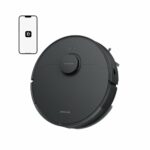
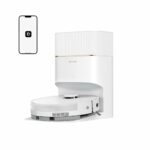
✨ VS Analyze · VacuumSpain comparison technology. AI-generated explanation based on verified technical data.
Introduction
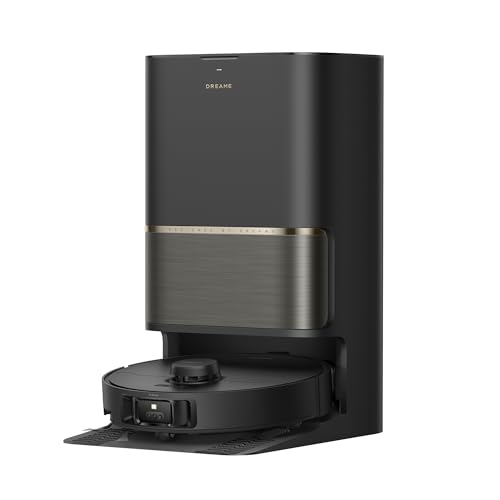
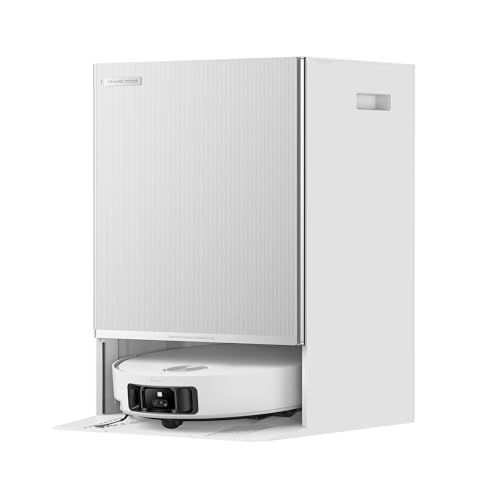
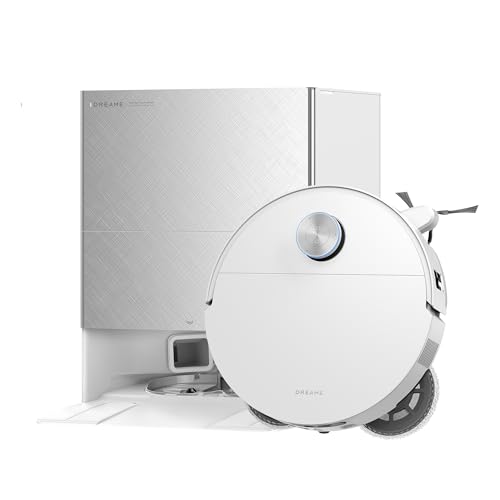
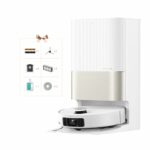
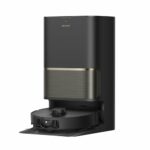
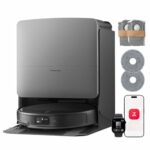
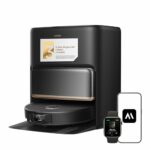
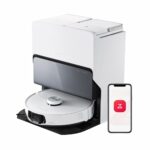
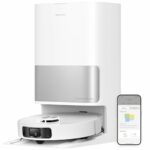
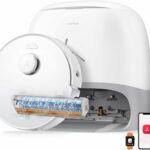
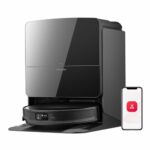
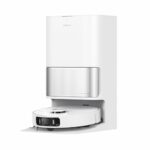
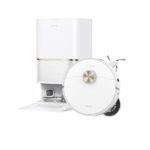
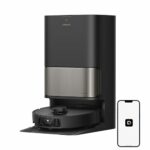
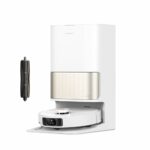
Dreame presents three high-end proposals in its catalogue of robot vacuum cleaners with multifunction base. The Dreame L50s Pro Ultra arrived in 2026, whilst the Dreame Matrix10 Ultra did so in 2025 and the Dreame X50s Ultra appeared in May 2026. All three share a similar technical architecture, with advanced vacuuming and mopping capabilities, although there are nuances that differentiate them in performance, autonomy and specific functions.
These are devices designed for users seeking total automation in home cleaning. The presence of a multifunction base in all three models guarantees washing and drying of mops with hot air, in addition to auto-emptying of the dust container. This makes them valid options for medium and large-sized homes, with mixed floors and frequent mopping needs.
Power and Suction
Suction power marks the first important difference in this robot vacuum cleaner comparison. The Dreame X50s Ultra leads with 35,000 Pa, a figure that exceeds the other two models by 5,000 Pa. In practice, this advantage translates into better extraction of ingrained dirt in carpets and superior performance in tile grooves or parquet.
All three robots feature dual HyperStream brush, a system that notably reduces hair tangles thanks to its dual roller design anchored at one end. The main brush is liftable in all three cases, which allows the system to be raised during mopping to avoid dragging wet dirt.
The side brush also presents identical characteristics: extendable to reach corners, liftable during mopping and with anti-tangle technology. This configuration guarantees effective edge sweeping in any of the three options.
Mopping
All use a system of two rotating mops with side extension and Roboswing movement, which allows the mops to be introduced under furniture and overhangs. Mop lifting reaches 10.5 mm in all three models, sufficient to climb over thin carpets without wetting them.
Here a substantial difference appears: the Dreame L50s Pro Ultra mops with cold water, whilst the Matrix10 Ultra and X50s Ultra incorporate hot water. This detail improves the dissolution of grease and adhered dirt, especially in kitchens. The Matrix10 Ultra goes further with a triple detergent tank, which allows different products to be used according to the type of floor or level of dirt. The L50s Pro Ultra and X50s Ultra feature a simple detergent tank.
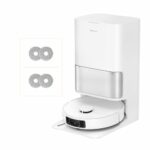
The Matrix10 Ultra includes automatic mop changing with 3 spare pairs in the base, an exclusive function that guarantees mopping with clean mops in large homes without manual intervention. All three detect dirt both on the mops and on the floor, adjusting the washing and scrubbing process as needed.
Mop drying is carried out with hot air in all three devices, avoiding bad odours and bacterial proliferation. The washing tray self-cleaning is third generation in the L50s Pro Ultra and X50s Ultra, whilst the Matrix10 Ultra features version 3.5, a more advanced system that reduces manual maintenance.
Navigation System
The Dreame L50s Pro Ultra uses traditional LiDAR turret, whilst the Matrix10 Ultra and X50s Ultra feature retractable LiDAR, which reduces the total height of the robot and facilitates access under low furniture. All three integrate dual RGB camera with artificial intelligence and front 3D laser sensor for obstacle avoidance.
Obstacle recognition capacity varies: the L50s Pro Ultra identifies 220 objects, the Matrix10 Ultra reaches 240 and the X50s Ultra achieves 280. This translates into more precise navigation and lower risk of getting stuck in complex environments. The X50s Ultra adds specific lighting in its avoidance system, improving performance in low light conditions.
All three recognise pets, detect curtains to avoid tangles and allow remote access to the camera. They also incorporate night vision LED and CleanGenius technology for intelligent cleaning with stain recognition via AI. The Matrix10 Ultra specifies the use of the AI Sage 15.0 algorithm, although the other two do not detail their exact CPU.
Autonomy and Battery
The Dreame Matrix10 Ultra and X50s Ultra share a 6,400 mAh battery, whilst the L50s Pro Ultra remains at 5,200 mAh. The Matrix10 Ultra is the only one that specifies autonomy: 260 minutes of continuous operation. This difference can be decisive in homes of more than 150 square metres with multiple rooms.
The lower battery capacity of the L50s Pro Ultra does not necessarily imply a problem in medium-sized houses, as the robot returns to the base to recharge and continue cleaning. However, in large spaces with many rooms, the greater autonomy of the Matrix10 Ultra reduces the number of intermediate recharges and shortens the total cleaning time.
Smart Functions
All three robots overcome simple steps, facilitating transit between rooms with small level changes or pavement changes. None incorporates a robotic arm, but all feature their own voice assistant and compatibility with Alexa and Google Home.
Multifunction Cleaning Base
All three bases perform auto-emptying of the dust container, mop washing with hot water (except the L50s Pro Ultra which washes with cold water) and drying with hot air. The dust bag has a capacity of 3.2 litres in all three cases.
The clean water tank presents variations: 5.5 litres in the Matrix10 Ultra, 4.5 litres in the L50s Pro Ultra and 4.2 litres in the X50s Ultra. The dirty water tank is 4 litres in the first two and 3 litres in the X50s Ultra. These differences affect the frequency of refilling and emptying in large houses with a lot of surface area to mop.
All three offer an optional plumbing connection kit, which must be purchased separately. None includes UV disinfection or factory-integrated plumbing connection.
Dimensions
The height of the robot is where the greatest differences are appreciated. The Dreame X50s Ultra measures 79.5 mm, the Matrix10 Ultra 89 mm and the L50s Pro Ultra 103.8 mm. This makes the X50s Ultra the best option for passing under low sofas, beds with little distance to the floor or kitchen furniture with reduced skirting. The diameter is around 350 mm in all three models.
The bases also vary in size. The Matrix10 Ultra is the widest at 416 mm, followed by the X50s Ultra at 390 mm and the L50s Pro Ultra at 340 mm. In height, the L50s Pro Ultra and Matrix10 Ultra reach 590 mm, whilst the X50s Ultra remains at 499 mm. The depth is 457 mm in the first two and 423 mm in the X50s Ultra. It is worth considering this if the available space for the base is limited.
Real-World Experience
For large homes, the Dreame Matrix10 Ultra offers clear advantages: greater autonomy, more generous water tanks, automatic mop changing and mopping with hot water. The triple detergent tank allows the product to be adapted to different areas without manual intervention.
The Dreame X50s Ultra stands out in houses with low furniture thanks to its reduced height of 79.5 mm. Its power of 35,000 Pa and ability to recognise 280 obstacles make it a solid option for spaces with many objects on the floor or pets. Mopping with hot water improves results in kitchens and bathrooms.
The Dreame L50s Pro Ultra presents a more balanced profile, although with a smaller battery and mopping with cold water. Its navigation system with traditional LiDAR turret is equally effective, and the dual HyperStream brush guarantees good results in homes with pets.
Conclusion: Which to Choose?
Choose the Dreame L50s Pro Ultra if you are looking for a complete Dreame robot vacuum cleaner for medium-sized homes, without the need for extreme autonomy or mopping with hot water. It is a valid option if furniture has sufficient height and you do not need automatic mop changing.
Choose the Dreame Matrix10 Ultra if you have a large house, with more than 150 square metres, and you value the autonomy of 260 minutes. The triple detergent tank, automatic mop changing and mopping with hot water make it the best robot vacuum cleaner in this comparison for those seeking total automation and minimum maintenance. Its 3.5 generation tray self-cleaning system further reduces manual tasks.
Choose the Dreame X50s Ultra if you need to pass under low furniture thanks to its 79.5 mm height, you value maximum suction power with 35,000 Pa and you want the highest level of obstacle recognition with 280 identifiable objects. Mopping with hot water and its more compact base make it ideal for spaces with height and storage restrictions, without sacrificing advanced features.