✨ VS Analyses · VacuumSpain comparison technology. Explanation created with AI from verified technical data.
Introduction
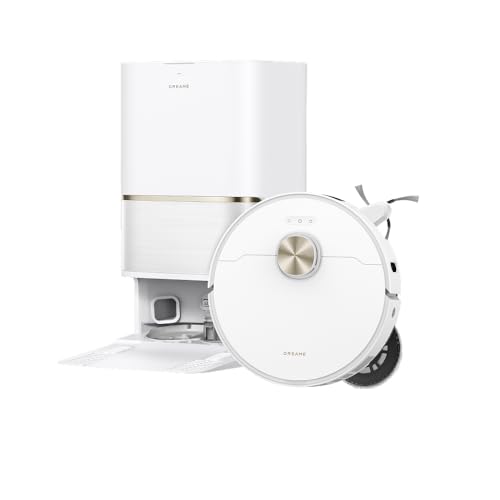
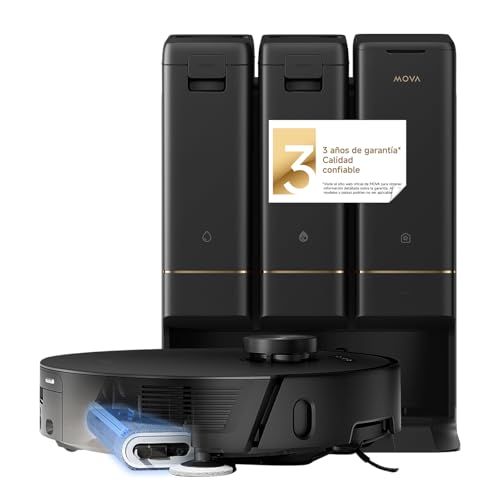
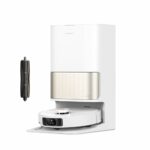
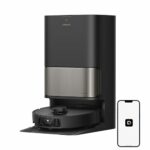
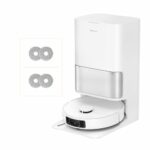
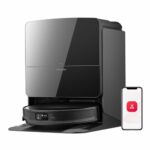
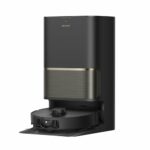
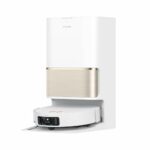
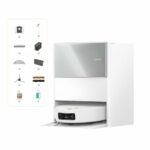
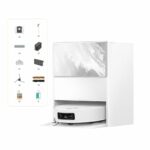
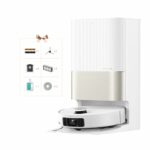
The Dreame L50 Ultra AE and the Mova Z50 Ultra represent two distinct approaches to high-end robot vacuum cleaning, despite sharing the same parent manufacturer. The L50 Ultra AE launches in 2026 with a focus on raw power and traditional dual-mop design, whilst the Mova Z50 Ultra arrived in 2025 with a wider roller system and comprehensive AI-driven cleaning intelligence. Both feature multifunction bases that handle the complete cleaning cycle, but they differ substantially in how they approach navigation, mopping methodology, and autonomous decision-making.
These models target users who want minimal intervention in their floor cleaning routine. The differences in mop design, AI capabilities, and physical dimensions make them suited to slightly different household scenarios, particularly when considering furniture clearance, pet ownership, and the level of autonomous operation desired.
Suction Power and Brushwork
The Dreame L50 Ultra AE delivers 28,000 Pa of suction, a substantial increase over the Mova Z50 Ultra's 19,000 Pa. This difference becomes meaningful in homes with thick carpets or heavy debris accumulation, where maximum extraction force matters. Both use the TriCut 3.0 main brush, which combines bristles with cutting blades to reduce hair tangles—a practical feature for households with pets or long-haired occupants.
Both robots lift their main brush during mopping to avoid dragging a wet roller across cleaned floors. The side brush setup shows a subtle but important distinction: whilst both models extend their side brush to reach into corners and feature anti-tangle design, only the Mova Z50 Ultra can elevate its side brush during mopping. In the real world, this prevents the side brush from flicking water droplets onto skirting boards or furniture legs during wet cleaning.
Mopping Approach
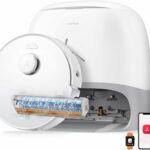
The mopping systems diverge considerably. The Dreame L50 Ultra AE uses two rotating mops with a Roboswing feature that extends one mop outward to reach edges and corners more effectively. It elevates these mops by 10.5 mm when crossing carpets or returning to the base. The Mova Z50 Ultra employs a wide roller design measuring 180 mm across, supplemented by a mini lateral mop for edge coverage. Its mop lift reaches 7 mm, which handles most low-pile rugs but offers less clearance than the Dreame.
Water temperature presents another contrast. The Dreame mops with cold water, whilst the Mova heats water to 38°C for floor cleaning. Warmer water can help dissolve sticky residues and improve cleaning efficacy on kitchen floors or areas with dried spills. Both bases wash mops with hot water and dry them with heated air, ensuring the mops don't develop odours between cleaning sessions.
The Dreame automatically removes its mops at the base when you want to run a vacuum-only cycle, saving you from manual intervention. The Mova lacks this feature, so you'll need to detach the roller yourself if you want pure vacuuming. However, the Mova compensates with dirt detection sensors that identify soiled areas on both the floor and the mops themselves, triggering additional passes or rewashing as needed. This intelligent re-cleaning capability isn't present on the Dreame.
Navigation and Intelligence
Both robots navigate using a 360° LiDAR turret and frontal 3D laser sensors for obstacle detection. The critical difference lies in camera-based intelligence. The Mova Z50 Ultra incorporates dual AI cameras that recognise up to 160 different object types, including pets and curtains. It features LED illumination for night-time navigation and allows remote camera access through the app, effectively functioning as a mobile home monitor.
The Dreame L50 Ultra AE omits camera-based AI entirely, relying solely on laser-based mapping and obstacle avoidance. This makes it more privacy-focused but less contextually aware. It won't identify your cat, distinguish between a shoe and a toy, or send you camera feeds. For some users, this represents a feature; for others, a limitation. The Mova's CleanGenius AI system uses visual data to optimise cleaning patterns and identify stains, creating a more adaptive cleaning experience.
The Mova includes its own voice assistant, enabling direct verbal commands without external smart speakers. Both models integrate with Alexa and Google Home, but the Mova's onboard assistant adds convenience for quick instructions.
Battery and Coverage
Battery capacity differs: 5,200 mAh in the Dreame versus 6,400 mAh in the Mova. Whilst specific runtime figures aren't provided, the Mova's larger cell potentially extends cleaning sessions, particularly relevant given its lower suction power may draw less current. The Dreame's higher suction could deplete its smaller battery faster during intensive vacuuming, though both models recharge automatically and resume cleaning if needed.
Smart Capabilities
Obstacle-climbing ability shows the Mova edging ahead at 22 mm compared to the Dreame's 20 mm. This 2 mm difference might seem trivial, but it can determine whether a robot clears thick door thresholds or certain cable management strips without assistance. Neither model includes a robotic arm for object manipulation.
Multifunction Base Station
Both bases handle the complete maintenance cycle: emptying dust, washing mops with hot water, and drying them with heated air. They each include a detergent dispenser and offer identical 4.5-litre clean water and 4-litre dirty water tanks. The dust bag capacity differs—3.2 litres for the Dreame, 4 litres for the Mova—meaning slightly less frequent bag replacement with the latter.
The Dreame features third-generation self-cleaning for the washing tray itself, keeping the base hygienic without manual scrubbing. The Mova lacks this automated tray cleaning. The Dreame also offers an optional plumbing connection kit (sold separately) for continuous water supply and drainage, though this isn't integrated as standard. The Mova doesn't support plumbing connections at all.
Physical Dimensions
Robot height proves significant. The Dreame measures 97 mm tall, whilst the Mova stands at 111 mm. That 14 mm difference determines furniture clearance. The Dreame will navigate under lower sofas, beds, and cabinets that the Mova cannot access. Both share a 350 mm diameter, so width isn't a differentiating factor.
Base station footprints vary. The Dreame base measures 340 mm wide, 590 mm tall, and 457 mm deep. The Mova base is wider at 390 mm, shorter at 545 mm, and slightly deeper at 463.3 mm. The Dreame's narrower, taller profile suits corner placement, whilst the Mova's wider stance may require more lateral space but fits under lower shelving.
Onboard tank sizes also differ. The Dreame carries a 250 ml dust bin and 80 ml water reservoir; the Mova holds 300 ml of dust and 160 ml of water. Larger onboard tanks reduce how often the robot returns to base during cleaning, particularly useful in larger homes or when the base isn't centrally located.
Real-World Performance Considerations
For homes with low-clearance furniture, the Dreame's slimmer 97 mm profile proves advantageous, accessing spaces the taller Mova cannot. If your sofa, bed frame, or kitchen units have limited ground clearance, this difference matters daily.
Pet owners face a choice: the Dreame's superior 28,000 Pa suction extracts embedded fur from carpets more effectively, whilst the Mova's AI cameras recognise pets and adjust cleaning patterns accordingly, plus its dirt detection ensures thorough cleaning of high-traffic areas. Both use anti-tangle brushes, so hair management is competent on either model.
Households prioritising mopping quality should weigh the Mova's heated water and dirt detection against the Dreame's automatic mop removal and higher mop lift. The Mova's 38°C water and intelligent re-cleaning deliver more thorough floor washing, particularly on sticky kitchen spills. The Dreame's 10.5 mm mop elevation better protects medium-pile rugs, and its automatic mop detachment simplifies switching to vacuum-only mode.
Privacy-conscious users may prefer the Dreame's camera-free design, whilst those wanting home monitoring, pet checking, or maximum AI optimisation will value the Mova's dual cameras and remote access. The Mova's ability to recognise curtains prevents tangling incidents that simpler sensors might miss.
Conclusion: Which to Choose?
Choose the Dreame L50 Ultra AE if: you need maximum suction power for deep carpet cleaning, have furniture with tight clearance requiring a slimmer robot, value privacy without onboard cameras, want automatic mop removal for easy vacuum-only operation, or prefer the base's self-cleaning tray feature. It suits homes with thick carpets, low furniture, and users who prioritise raw cleaning power over AI-driven automation.
Choose the Mova Z50 Ultra if: you want comprehensive AI features including pet recognition and remote camera access, need heated water mopping for better floor cleaning, value dirt detection that triggers automatic re-cleaning, prefer a wider roller mopping system, or want an integrated voice assistant. It fits households with pets, those seeking maximum mopping performance, and users who appreciate intelligent, adaptive cleaning with minimal manual oversight. The larger onboard tanks and dust bag also reduce maintenance frequency in bigger homes.