✨ VS Analyses · VacuumSpain comparison technology. Explanation created with AI from verified technical data.
Introduction
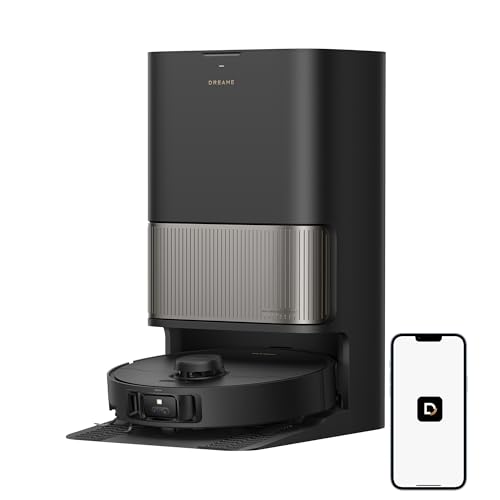
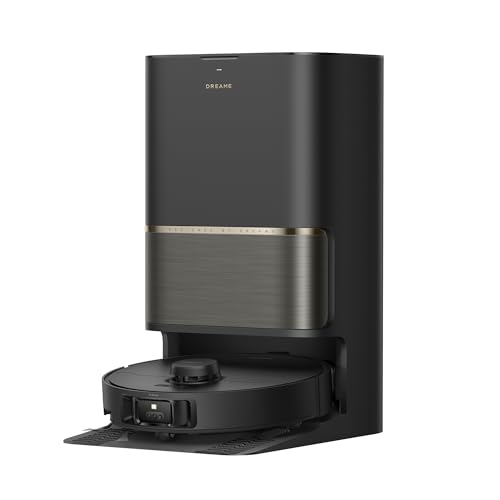
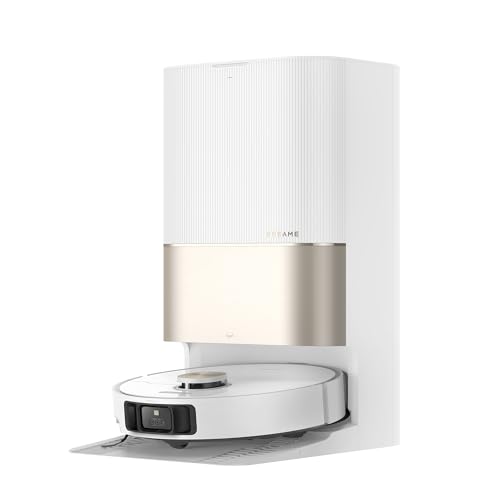
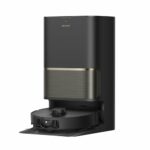
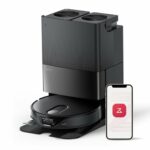
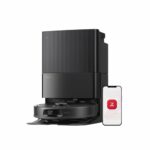
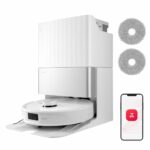
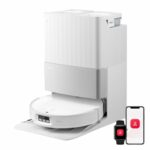
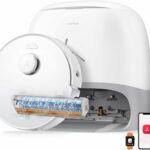
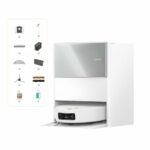
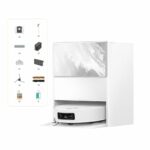
The Dreame range offers three compelling options for those seeking a high-performance cleaning solution. The L40s Pro Ultra arrived in 2025, followed by the flagship L50s Pro Ultra in 2026, whilst the X40 Ultra from 2024 remains a capable alternative. All three feature multifunctional bases with mop washing and drying capabilities, dual rotating mops with extension systems, and advanced AI navigation. These aren't entry-level machines—they're designed for households that want thorough floor cleaning with minimal manual intervention.
What separates them comes down to suction power, object recognition capabilities, and some nuanced differences in design and intelligence features. The L50s Pro Ultra pushes suction to new heights, the L40s Pro Ultra introduces a voice assistant, and the X40 Ultra offers a slimmer profile with greater battery capacity. Understanding which features matter most for your home makes choosing between them considerably easier.
Power and Suction
The suction performance tells an interesting story across these three models. The L50s Pro Ultra delivers a formidable 30,000 Pa—substantially more than the L40s Pro Ultra's 19,000 Pa and more than double the X40 Ultra's 12,000 Pa. In practical terms, this means the L50s Pro Ultra can extract deeply embedded dirt from carpet fibres and handle heavier debris with greater ease.
All three utilise dual roller brushes rather than a single traditional design. This HyperStream system reduces hair tangling significantly, which matters if you live with pets or family members with long hair. The brushes lift automatically when mopping begins, preventing wet contact with carpets or rugs.
Each model includes an extendable side brush that reaches into corners more effectively than fixed designs. These brushes also elevate during mopping and feature anti-tangle properties. The consistency across the range here means corner cleaning performance remains equally strong whether you choose the older X40 Ultra or the latest L50s Pro Ultra.
Mopping System
The mopping setup remains remarkably uniform across all three robots. Each employs dual rotating mops that extend outwards using the RoboSwing movement—a swivelling motion that pushes the mop closer to skirting boards and under slight overhangs. The mops lift 10.5 mm when encountering carpets or rugs, enough clearance to avoid wetting most floor coverings.
All three detect dirt on both the mops themselves and the floor surface, triggering additional passes or returning to the base for mop washing when needed. This adaptive approach means genuinely soiled areas receive more attention without you programming specific zones.
The bases wash mops with hot water and dry them using heated air—essential for preventing odours and bacterial growth. Each base also cleans its own washing tray automatically, though the L40s Pro Ultra and L50s Pro Ultra benefit from third-generation self-cleaning technology compared to the second-generation system in the X40 Ultra. In practice, this means less frequent manual maintenance of the base itself.
When you need pure vacuuming without mopping, all three models automatically detach their mops at the base. A detergent reservoir sits ready in each base to dispense cleaning solution during mop washing cycles.
Navigation System
Navigation hardware appears identical at first glance—each robot combines LiDAR mapping with dual AI cameras and a frontal 3D laser sensor. LED illumination enables vision in darker spaces. Remote camera access lets you check on your home through the app, and all three recognise pets, curtains, and numerous household objects.
The meaningful difference emerges in object recognition breadth. The L50s Pro Ultra identifies 220 different obstacle types, the L40s Pro Ultra handles 180, and the X40 Ultra recognises 120. More recognised objects translate to fewer stuck incidents and better navigation around clutter. For households with children's toys scattered about or complex furniture arrangements, this expanded recognition proves valuable.
The X40 Ultra runs on the AI Sage 11.0 algorithm, whilst specific processor details for the newer models aren't specified. All three employ CleanGenius AI for intelligent cleaning decisions, adjusting suction and water flow based on floor type and dirt levels detected.
Battery and Autonomy
Battery capacity takes an unexpected turn. The X40 Ultra packs a 6,400 mAh cell—considerably larger than the 5,200 mAh found in both the L40s Pro Ultra and L50s Pro Ultra. This gives the X40 Ultra a runtime of 194 minutes compared to 220 minutes for the L40s Pro Ultra. The L50s Pro Ultra's runtime isn't specified, but the identical battery capacity to the L40s Pro Ultra suggests comparable performance, potentially affected by its significantly higher suction power.
What this means for real-world use: the L40s Pro Ultra offers the longest confirmed runtime, suitable for larger homes in a single session. The X40 Ultra's bigger battery provides a safety margin, particularly useful if you're running higher suction modes more frequently. The L50s Pro Ultra's extreme suction likely consumes more power, though it should still handle most homes comfortably before returning to recharge.
Smart Features
Obstacle climbing ability differs slightly. The L40s Pro Ultra and L50s Pro Ultra manage simple thresholds without specific measurements provided, whilst the X40 Ultra explicitly handles obstacles up to 22 mm. This matters when transitioning between rooms with raised doorways or moving onto thick rugs.
Voice control works across all three models through external assistants like Alexa and Google Home. However, the L40s Pro Ultra and L50s Pro Ultra add their own built-in voice assistant, enabling direct commands without relying on separate smart home ecosystems. For some users, this simplifies interaction; for others already invested in Alexa or Google, it may prove redundant.
Multifunctional Base
The base specifications align closely across the range. Each holds a 3.2-litre dust bag, a 4.5-litre clean water tank, and a 4-litre dirty water reservoir. These capacities support weeks of cleaning before requiring attention, depending on home size and cleaning frequency.
Hot water mop washing and heated air drying feature in all three bases. The third-generation tray self-cleaning in the L40s Pro Ultra and L50s Pro Ultra represents an incremental improvement over the X40 Ultra's second-generation system—expect slightly better hygiene and easier long-term maintenance.
None of the bases connect directly to plumbing, but optional connection kits exist for all three models, purchased separately. This allows automatic water refilling and draining for those wanting to eliminate manual tank management entirely, though it requires installation effort.
Dimensions
Height becomes the most significant dimensional difference. The X40 Ultra stands 97 mm tall, giving it better clearance under low furniture compared to the 103.8 mm height of the L40s Pro Ultra and L50s Pro Ultra. That 6.8 mm difference might seem trivial, but it determines whether a robot fits beneath certain sofas, beds, or cabinets.
Diameter remains consistent at 350 mm across all models—standard for this class of robot. Weight isn't specified, but the identical form factor suggests similar manoeuvrability.
Base dimensions are virtually identical: 340 mm wide, approximately 590 mm tall, and around 457 mm deep. You'll need the same floor space regardless of which model you choose, so placement considerations remain constant.
Real-World Use
For larger homes, the L40s Pro Ultra's confirmed 220-minute runtime offers peace of mind for completing entire floors without recharging mid-clean. The L50s Pro Ultra's superior suction makes it the natural choice when dealing with thick carpets, heavy pet hair, or homes where deep cleaning matters most. The X40 Ultra's slimmer profile suits homes with low-clearance furniture, and its larger battery provides a buffer for extended cleaning sessions.
Pet owners benefit from the dual roller brush design across all three models, which genuinely reduces hair tangling compared to traditional brushes. The L50s Pro Ultra's enhanced suction and expanded object recognition give it an edge in multi-pet households where fur accumulation and scattered toys create daily challenges.
For hard floors and light carpet use, the X40 Ultra's 12,000 Pa remains perfectly adequate—many excellent robots operate at similar levels. The mopping system performs identically across the range, so floor washing results won't differ based on model choice.
Maintenance demands stay relatively low thanks to automatic mop washing, heated drying, and base tray self-cleaning. The third-generation system in the newer models should require slightly less manual intervention, though all three aim to minimise your involvement.
Conclusion: Which Should You Choose?
Choose the Dreame L40s Pro Ultra if you want the longest confirmed battery runtime and appreciate having a built-in voice assistant. It balances strong suction with extended autonomy, making it well-suited to larger homes that need thorough coverage in a single session. The 19,000 Pa suction handles most cleaning scenarios effectively without the power consumption of the flagship model.
Choose the Dreame L50s Pro Ultra if maximum suction power matters most to you. Its 30,000 Pa capability excels with thick carpets, embedded dirt, and heavy debris. The expanded recognition of 220 obstacle types reduces intervention in cluttered environments. This represents the most capable option for demanding cleaning situations, particularly homes with multiple pets or high-traffic areas requiring deep cleaning.
Choose the Dreame X40 Ultra if fitting under low furniture is essential. Its 97 mm height accesses spaces the taller models cannot reach, and the larger 6,400 mAh battery provides a generous power reserve. Whilst it offers less suction and recognises fewer obstacles, it remains a thoroughly competent machine for homes without extreme cleaning demands. The second-generation base tray cleaning still functions well, just requiring slightly more attention than the newer technology.
None of these represents a compromise choice—they're all premium robots with comprehensive features. The decision ultimately rests on whether you prioritise raw power, extended runtime, obstacle navigation breadth, or physical dimensions. Consider your home's specific challenges: furniture clearance, floor types, pet presence, and size. The right choice becomes clear once you match these factors to each model's particular strengths.