✨ VS Analyses · VacuumSpain comparison technology. Explanation created with AI from verified technical data.
Introduction
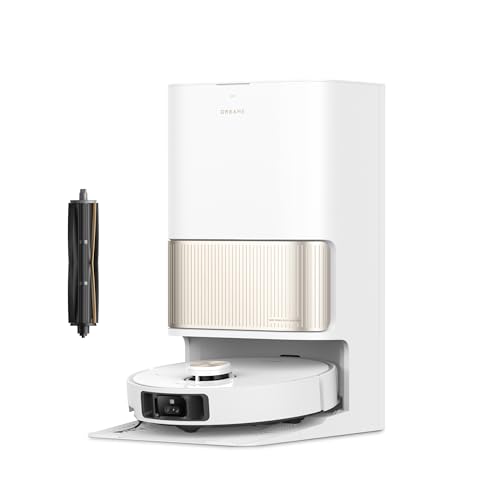
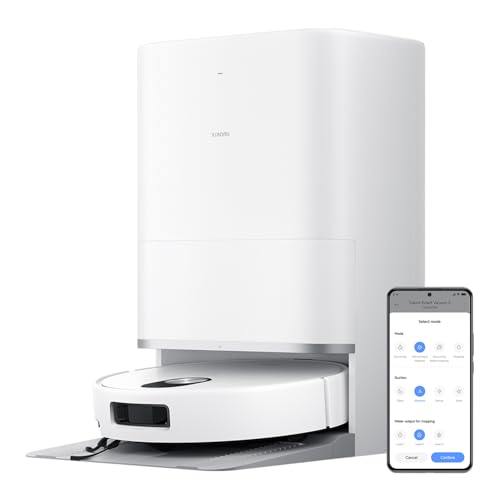
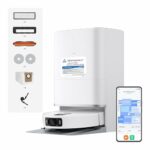
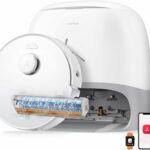
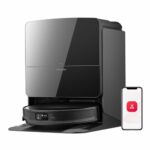
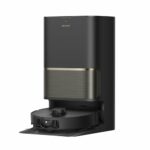
The Dreame L40 Ultra and Xiaomi Robot Vacuum 5 represent two compelling approaches to premium robot vacuum technology. The L40 Ultra arrived in 2024 as Dreame's flagship model, whilst Xiaomi's fifth-generation vacuum launched in 2025 with some impressive headline specifications. Both feature comprehensive cleaning systems with rotating mops and multifunctional bases, targeting users who want minimal involvement in floor maintenance.
These aren't entry-level devices. Each model combines vacuuming and mopping capabilities with intelligent navigation and automated maintenance through their docking stations. The question for prospective buyers becomes which configuration better suits their specific home environment and cleaning priorities.
Power and Suction
The Xiaomi Robot Vacuum 5 delivers 20,000 Pa of suction power, nearly double the Dreame L40 Ultra's 11,000 Pa. This substantial difference translates to more aggressive debris pickup, particularly beneficial for deep-pile carpets or homes with heavy soiling. The Xiaomi's newer 2025 release reflects the industry's push towards higher suction ratings.
Both models employ the TriCut 3.0 brush system, which combines bristles with integrated cutting blades to reduce hair tangles. This matters considerably for pet owners or anyone with long hair in the household. The identical brush technology means hair management should perform similarly on both devices.
Where the Dreame L40 Ultra distinguishes itself is in brush management during mopping. The main roller lifts automatically when the mop pads engage, preventing the brush from dragging across wet floors or contaminating clean water. The side brush also elevates during mopping sessions. The Xiaomi lacks these lifting mechanisms, meaning its brushes remain in contact with the floor throughout the cleaning cycle. In practice, this gives the Dreame a cleaner separation between vacuuming and mopping modes.
Both models feature extendable side brushes for improved edge cleaning and anti-tangle designs. These elements work identically across both robots.
Mopping
Each robot uses dual rotating mop pads, but implementation details reveal meaningful differences. The Dreame L40 Ultra incorporates Roboswing technology alongside mop extension, allowing the robot to swing its rear section slightly to push the mop pad further under furniture edges and into corners. The Xiaomi offers mop extension but without the additional swinging motion.
Mop lifting capabilities favour the Xiaomi Robot Vacuum 5, which raises its pads 15 mm compared to the Dreame's 10.5 mm. That extra height provides better clearance over medium-pile rugs and reduces the risk of damp mops contacting carpeted areas. For homes mixing hard floors with area rugs, this becomes relevant.
The Dreame L40 Ultra can automatically detach its mop pads at the base station when you only want vacuuming. The Xiaomi requires manual removal. This automation proves convenient if your cleaning routine alternates between vacuum-only and combined sessions without wanting to physically handle the mop assembly each time.
Dirt detection technology appears exclusively on the Dreame model. The system monitors both the mop pads themselves and the floor surface, triggering additional cleaning passes or mop washing cycles when it identifies persistent soiling. The Xiaomi follows predetermined cleaning patterns without adaptive adjustments based on actual dirt levels.
Both bases wash mops with hot water and dry them using heated air, essential for preventing odours and bacterial growth. The cleaning temperatures match between models.
Navigation System
Navigation architecture differs notably between these robots. The Dreame L40 Ultra employs a third-generation LiDAR turret combined with dual AI cameras and frontal 3D laser sensors. This multi-layered approach enables the robot to recognise up to 100 different obstacle types. The Xiaomi Robot Vacuum 5 uses a retractable LiDAR system with frontal 3D sensors but omits the AI camera component.
The dual-camera setup on the Dreame enables several functions unavailable on the Xiaomi. It can identify pets specifically, adjust cleaning patterns around curtains, and provides remote camera access through the app. The LED night vision lighting supports camera operation in dark rooms. For households wanting visual monitoring capabilities or those with pets requiring special consideration, these features add practical value.
The Xiaomi's retractable LiDAR tower reduces the robot's overall height to 88 mm, allowing it to slip under furniture the Dreame cannot access. The trade-off comes in reduced visual intelligence.
Both models incorporate AI-driven cleaning optimisation, though the Dreame's CleanGenius system works with camera data to identify specific stain types and adjust cleaning intensity accordingly. The Xiaomi's AI functions operate without visual input.
Autonomy and Battery
Battery capacity matches at 5,200 mAh for both robots, but runtime differs significantly. The Dreame L40 Ultra achieves 194 minutes of operation compared to the Xiaomi's 140 minutes. The discrepancy likely stems from the Xiaomi's substantially higher suction power consuming more energy.
For larger properties, the Dreame's extended runtime reduces the likelihood of mid-clean recharging interruptions. The Xiaomi's shorter autonomy matters less in compact homes where 140 minutes suffices to complete the entire floor area in one session.
Intelligent Functions
Obstacle climbing capability reaches 22 mm on the Dreame L40 Ultra versus 20 mm on the Xiaomi Robot Vacuum 5. That 2 mm difference occasionally determines whether a robot can mount certain door thresholds or floor transitions without assistance.
The Dreame includes a proprietary voice assistant, allowing direct voice commands to the robot itself. The Xiaomi integrates with external assistants like Alexa and Google Home but lacks an onboard assistant. Both approaches work, though the Dreame's built-in option functions without requiring smart home ecosystem integration.
Multifunctional Cleaning Base
Both bases handle automatic dust emptying, hot water mop washing, and heated air drying. The Dreame station incorporates second-generation self-cleaning for the wash tray, as does the Xiaomi base, though specific implementation details aren't specified for the Xiaomi system.
The Dreame L40 Ultra includes a detergent dispenser that adds cleaning solution during mop washing cycles. The Xiaomi base lacks this feature, relying solely on water for mop maintenance. Detergent dispensing helps break down stubborn residues on the mop pads more effectively than water alone.
Dust bag capacity favours the Dreame at 3.2 litres versus the Xiaomi's 2.5 litres. Clean water tanks measure 4.5 litres (Dreame) and 4 litres (Xiaomi), whilst dirty water reservoirs hold 4 litres and 3.8 litres respectively. These differences mean slightly less frequent maintenance on the Dreame station.
Dreame offers an optional plumbing connection kit purchased separately, allowing the base to fill and drain automatically. The Xiaomi provides no plumbing connectivity option. This remains a convenience feature rather than essential functionality, but it does eliminate manual water tank handling for those willing to invest in the additional kit and installation.
Dimensions
The Xiaomi Robot Vacuum 5 measures just 88 mm tall, considerably slimmer than the Dreame L40 Ultra's 103.8 mm height. That 15.8 mm reduction opens access beneath low-clearance furniture like certain sofas, beds, and cabinets where the Dreame cannot venture. Both share a 350 mm diameter.
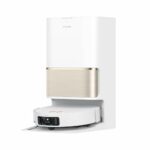
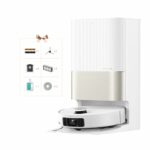
Base station footprints differ slightly. The Dreame measures 340 mm wide, 590.5 mm tall, and 456.7 mm deep. The Xiaomi base spans 360 mm wide, 572 mm tall, and 470 mm deep. The Xiaomi base sits shorter but wider and deeper. Neither presents a particularly compact footprint, so adequate floor space near a power outlet remains necessary for both.
Real-World Use Experience
For homes with varied furniture heights, the Xiaomi Robot Vacuum 5's lower profile provides access to spaces the Dreame cannot reach. This becomes particularly relevant in bedrooms with platform beds or living areas with low-slung contemporary furniture.
Pet owners benefit from the Dreame L40 Ultra's specific animal recognition and camera monitoring. The ability to check on pets remotely and have the robot adjust its behaviour around animals adds practical value. Both models handle pet hair equally well through their TriCut brushes.
Larger homes suit the Dreame's 194-minute runtime better, reducing cleaning interruptions. The Xiaomi's 140 minutes proves adequate for properties up to moderate size but may require recharge breaks in expansive floor plans.
The Xiaomi's superior suction tackles deeply embedded dirt in carpet fibres more aggressively. For homes with primarily hard flooring, the Dreame's 11,000 Pa remains entirely sufficient whilst consuming less battery power.
Minimal maintenance appeals to buyers who select the Dreame for its automatic mop detachment and detergent dispensing. The Xiaomi requires slightly more hands-on involvement for these tasks.
Conclusion: Which to Choose?
Choose the Dreame L40 Ultra if you value extended battery life for larger homes, want automatic mop removal for vacuum-only sessions, need remote camera access for pet monitoring, or prefer the convenience of automated detergent dispensing. The brush lifting during mopping and dirt detection intelligence suit users wanting the most automated mopping experience possible. The larger base reservoirs reduce maintenance frequency.
Choose the Xiaomi Robot Vacuum 5 if maximum suction power matters most for your cleaning needs, particularly with carpets requiring aggressive debris extraction. The significantly lower robot height proves essential if you need access beneath low furniture. The higher mop lift provides better clearance over medium-pile rugs. This represents excellent value for users who don't require camera features or automatic mop detachment, whilst still gaining a comprehensive cleaning system with hot water mop washing and heated drying at the base.