✨ VS Analyses · VacuumSpain comparison technology. Explanation created with AI from verified technical data.
Introduction
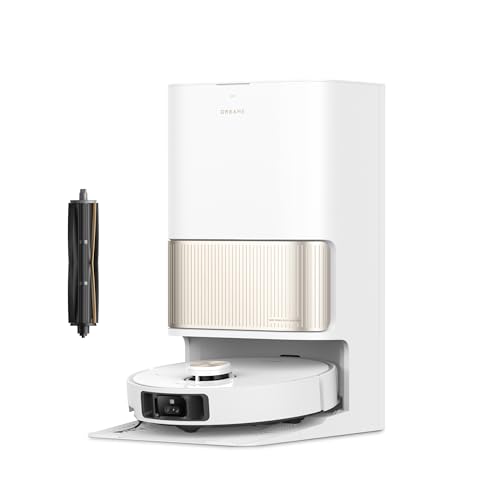
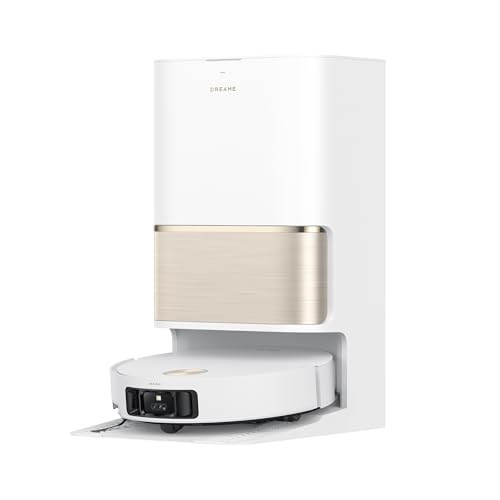
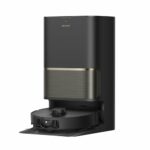
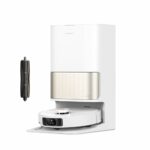
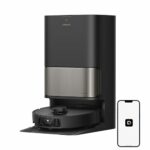
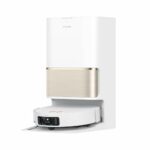
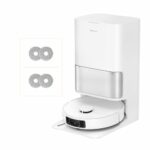
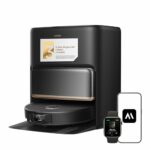
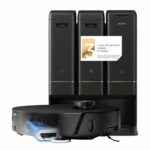
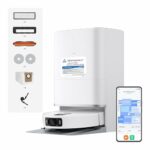
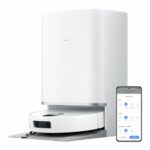
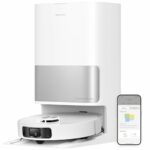
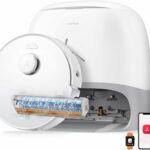
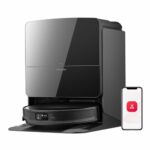
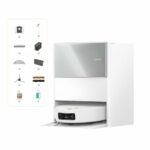
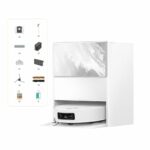
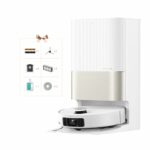
The Dreame L40 Ultra and Dreame L50 Pro Ultra represent two generations of premium robot vacuum cleaners from the same manufacturer. The L40 Ultra arrived in 2024 as a high-end solution, whilst the L50 Pro Ultra launched in 2025 with several notable upgrades. Both models feature multifunctional docking stations that handle automatic dust emptying, mop washing with hot water, and hot air drying – essential components for maintaining genuinely clean floors without constant user intervention.
These aren't entry-level devices. They're designed for users who want comprehensive automated cleaning in medium to large homes, particularly those with mixed flooring types and potentially pets. The question becomes whether the newer L50 Pro Ultra's enhancements justify choosing it over the still-capable L40 Ultra.
Suction Power and Brushing
The difference in raw suction is substantial. The L40 Ultra delivers 11,000 Pa, which handles everyday debris and pet hair competently. The L50 Pro Ultra nearly doubles this with 19,500 Pa – a considerable leap that becomes noticeable on carpets and when dealing with ground-in dirt.
Where things get interesting is the main brush design. The L40 Ultra uses TriCut 3.0, which combines bristles with integrated blades to cut through tangled hair. The L50 Pro Ultra switches to a Doble Cepillo HyperStream configuration – two brushes anchored at one end that actively prevent hair from wrapping around the roller. In practice, this means less maintenance for homes with long hair or shedding pets.
Both models elevate their main brushes when mopping and feature side brushes that extend for corner coverage and lift when needed. The side brushes include anti-tangle technology on both units, creating parity in edge cleaning capability.
Mopping Performance
The mopping systems are virtually identical between these models. Each uses dual rotating mops that extend outwards for edge coverage, aided by Roboswing movement that angles the mop slightly under furniture lips and skirting boards. Both lift their mops 10.5 mm when transitioning to carpets or rugs.
The docking stations wash mops with hot water and dry them using heated air, preventing the musty smell that plagues cheaper models with cold-water cleaning. Both detect dirty mops and soiled floors, triggering additional cleaning passes when needed. When you want pure vacuuming, both robots automatically remove their mops at the base.
The L50 Pro Ultra does introduce a 3rd generation self-cleaning tray system compared to the 2nd generation in the L40 Ultra. This refinement improves how thoroughly the base cleans itself after washing the mops, reducing manual maintenance intervals.
Navigation and Intelligence
Here's where the L50 Pro Ultra makes a design statement. Its retractable LiDAR system allows the robot to measure just 89 mm tall – significantly lower than the L40 Ultra's 103.8 mm. That 14.8 mm difference opens access under furniture that the older model simply cannot reach: low beds, certain sofas, and shallow-clearance cabinets.
The L50 Pro Ultra's AI Sage 13.0 Octa-Core processor handles 180 different object types, compared to 100 objects recognised by the L40 Ultra's AI Sage 11.0 Quad-Core chip. This expanded recognition library means fewer stuck incidents and smarter navigation around everyday household items.
Both models use dual AI cameras with 3D laser sensors and LED lighting for night-time navigation. Remote camera access is available on both, as is recognition of pets and curtains. The fundamental navigation capability remains excellent across both units; the L50 Pro Ultra simply refines the intelligence and adds versatility through its lower profile.
Battery and Coverage
The L50 Pro Ultra packs a 6,400 mAh battery versus the L40 Ultra's 5,200 mAh capacity. This translates to 200 minutes of runtime compared to 194 minutes – not a dramatic difference in absolute terms, but the newer model's larger dust bin (395 ml versus 300 ml) means it can cover more ground before needing to return to base for emptying.
In real-world terms, both handle large homes comfortably. The L50 Pro Ultra's combination of slightly longer runtime and greater dust capacity gives it an edge in sprawling single-level properties or when tackling particularly messy cleaning sessions.
Smart Features
Both robots climb obstacles up to 22 mm, sufficient for standard door thresholds and low-pile rug transitions. Neither includes a robotic arm attachment. Each model features its own voice assistant alongside compatibility with external systems like Alexa and Google Home.
The CleanGenius AI system appears on both units, automatically adjusting suction and mopping intensity based on detected dirt levels. Spot recognition triggers focused cleaning on stains without manual intervention.
Docking Station Capabilities
The multifunctional bases are nearly identical in specification. Both measure 340 mm wide, 590.5 mm tall, and 456.7 mm deep. Each holds a 3.2-litre dust bag, 4.5 litres of clean water, and 4 litres of dirty water. Detergent dispensers are standard, and both offer optional plumbing connection kits purchased separately.
The key distinction is that 3rd generation self-cleaning tray in the L50 Pro Ultra's base, which more thoroughly maintains the washing mechanism itself. Neither includes UV disinfection or automatic mop-changing systems.
Physical Dimensions
Both robots share a 350 mm diameter, but the height difference matters enormously. At 89 mm, the L50 Pro Ultra accesses spaces the 103.8 mm L40 Ultra cannot. If you have furniture with tight clearances, this becomes a deciding factor – there's no point owning a powerful robot that can't reach half your floor space.
The bases occupy identical footprints, so whichever model you choose requires the same amount of floor space for the docking station.
Real-World Usage Scenarios
For homes with pets, the L50 Pro Ultra's HyperStream brush system and nearly doubled suction power make it the stronger choice. The anti-tangle design genuinely reduces how often you'll need to cut hair from the roller, whilst the extra suction pulls embedded fur from carpets more effectively.
In properties with low-clearance furniture, the L50 Pro Ultra's retractable LiDAR isn't just a nice feature – it's essential. That lower profile transforms it from a robot that cleans accessible areas into one that maintains your entire floor plan.
The L40 Ultra remains highly capable for standard homes without extreme furniture constraints. Its 11,000 Pa suction handles hard floors and medium-pile carpets well, and the TriCut brush manages hair reasonably if you're willing to perform occasional maintenance.
Both models excel on hard floors, parquet, and tiles thanks to their hot-water mop washing and heated drying systems. The mopping performance difference between them is minimal – the gap appears in vacuuming power and navigational intelligence.
Conclusion: Which Should You Choose?
Choose the Dreame L40 Ultra if: You have standard furniture heights and want excellent cleaning performance at potentially lower cost. The 11,000 Pa suction and TriCut brush handle most households effectively, and the multifunctional base delivers proper mopping results. It's a 2024 model that hasn't suddenly become inadequate just because a newer version exists.
Choose the Dreame L50 Pro Ultra if: You need maximum suction power for thick carpets or heavy pet hair, want the lowest-profile design for accessing tight spaces under furniture, or prefer the most advanced object recognition available. The HyperStream brush system significantly reduces maintenance in homes with long hair. The 2025 release brings meaningful improvements rather than superficial updates, particularly that retractable LiDAR and substantially more powerful suction. For large homes with demanding cleaning requirements, the upgrades justify the premium.