✨ VS Analyze · VacuumSpain comparison technology. AI-generated explanation based on verified technical data.
Introduction
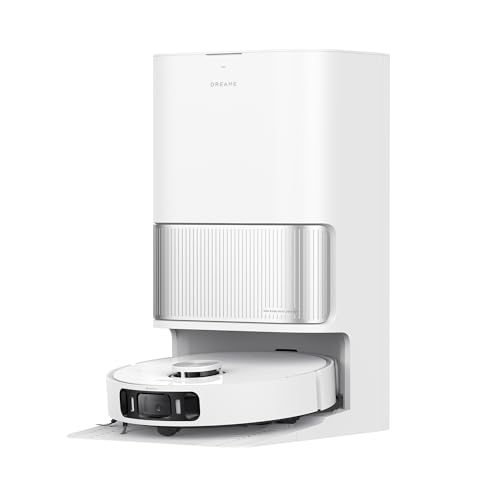
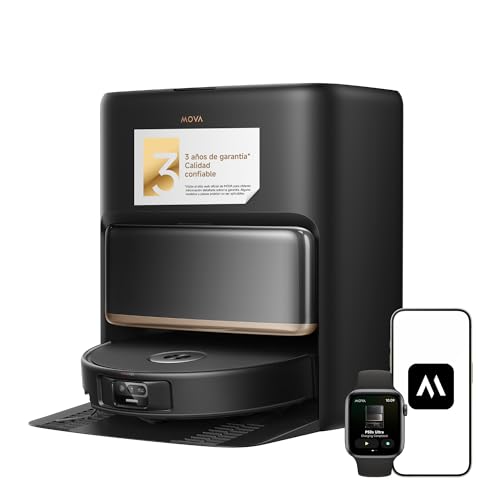
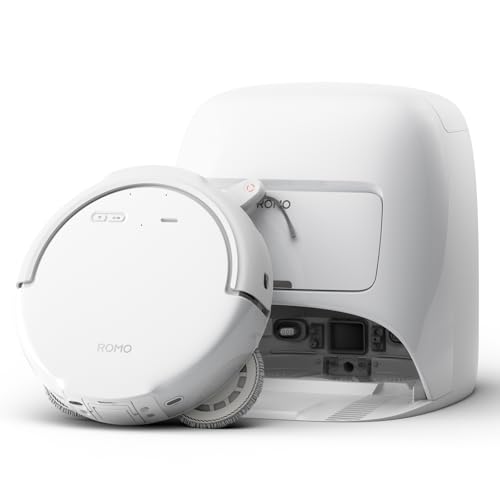
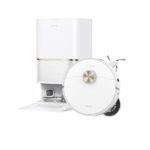
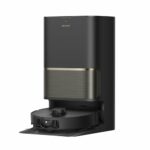
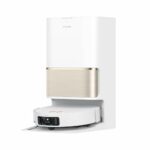
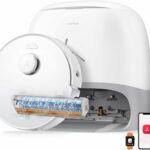
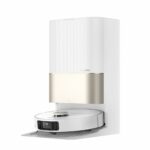
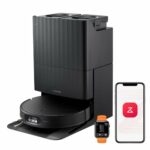
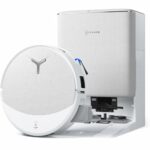
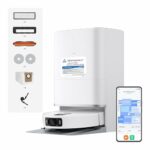
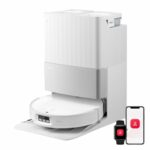
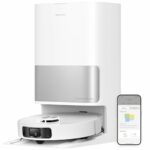
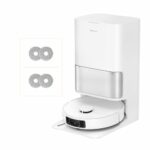
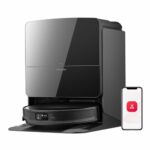
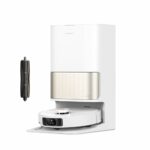
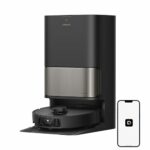
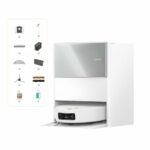
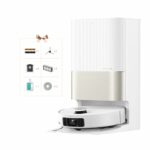
The Dreame L40 Ultra AE, Mova P50s Ultra, and DJI Romo S represent three compelling approaches to premium floor cleaning from the 2025 generation. Each brings substantial suction power, multifunctional bases, and AI-driven navigation to tackle the demands of modern homes. The Dreame model sits within an established ecosystem known for balancing performance and value, whilst Mova—a sister brand of Dreame—pushes specifications higher in several areas. DJI enters the robot vacuum arena with fresh engineering perspective, having built its reputation in autonomous flight technology.
These aren't entry-level machines. All three feature rotating dual mops, hot-air drying, and sophisticated obstacle avoidance. They're designed for households seeking minimal intervention: automatic dust emptying, mop washing, and intelligent route planning mean less manual upkeep. The differences lie in suction strength, battery endurance, camera configurations, and base design—factors that shape real-world performance across varying floor plans and household compositions.
Power and Vacuuming
Suction figures tell an immediate story. The DJI Romo S tops the chart at 25,000 Pa, closely followed by the Mova P50s Ultra at 24,000 Pa. The Dreame L40 Ultra AE sits at 19,000 Pa—still robust for most debris types, though the gap becomes noticeable on thick carpets or embedded pet hair. In practice, higher suction often translates to fewer repeat passes and better extraction from textile fibres.
Brush design varies meaningfully. The Dreame L40 Ultra AE uses a TriCut 3.0 roller, combining bristles with integrated blades to slice through tangled hair. The Mova P50s Ultra features a dual-brush configuration, whilst the DJI Romo S deploys a divide-style roller that channels debris toward the centre suction port. All three lift their main brushes when mopping to avoid cross-contamination.
The side-brush setup diverges more sharply. The Mova P50s Ultra extends its side brush to sweep edges more thoroughly and lifts it during wet cleaning—a refinement the Dreame L40 Ultra AE lacks. The DJI Romo S also extends its side brush and equips dual anti-tangle brushes to reduce hair wrap. For homes with shedding pets or intricate floor layouts, these details matter: the Mova and DJI configurations demand less frequent manual cleaning of the side brush assembly.
Mopping
All three deploy twin rotating mops that extend toward skirting boards. The Dreame L40 Ultra AE and Mova P50s Ultra both incorporate RoboSwing—a hip-swivel motion that nudges the mop slightly under furniture lips and wall edges. The DJI Romo S confirms mop extension but does not specify the swivel behaviour. Each model lifts its mops 10.5 mm when crossing carpets or returning to base, keeping textiles dry.
Water temperature during mopping remains cold across the board, yet all three bases wash mops with hot water and dry them using heated air. This combination keeps fabric pads fresher between sessions and curbs bacterial growth. The Mova P50s Ultra adds third-generation auto-cleaning for the wash tray itself, whilst the DJI Romo S uses a nozzle-based rinse system. The Dreame L40 Ultra AE employs second-generation tray cleaning.
A standout difference: the Mova P50s Ultra automatically removes its mops at the docking station when you schedule a vacuum-only task, eliminating the need to detach pads manually. Neither the Dreame nor the DJI model offers this convenience. For households alternating between mopping and dry vacuuming—perhaps after sweeping up crumbs before a wet clean—the Mova approach saves a step.
All three detect dirt on mops and floors, triggering re-washes or additional passes as needed. Each base includes a detergent reservoir to dose cleaning solution during mop washing, ensuring pads stay deodorised and effective over time.
Navigation System
LiDAR turrets sit atop the Dreame L40 Ultra AE and DJI Romo S, scanning rooms to build precise floor plans. The Mova P50s Ultra uses FlashPulse technology—a variant that achieves similar mapping accuracy. All three supplement laser data with front-facing 3D sensors and AI cameras, enabling real-time object recognition and route adjustment.
Camera count and object libraries differ. The Mova P50s Ultra integrates dual cameras and recognises 200 distinct obstacles, including curtains—a feature absent from the Dreame and DJI models. The Dreame L40 Ultra AE identifies 120 objects. This broader vocabulary helps the Mova navigate cluttered spaces with greater finesse, steering around toys, cables, and pet bowls without manual intervention.
Each robot offers remote camera access via smartphone, plus LED illumination for low-light navigation. Pet detection is confirmed for the Dreame and Mova units, allowing the app to capture snapshots or video when your dog or cat appears. The DJI Romo S does not explicitly list pet recognition in the available data.
Battery and Range
The Mova P50s Ultra packs a 6,400 mAh cell—the largest here—providing extended runtime before recharging. The Dreame L40 Ultra AE carries 5,200 mAh, and the DJI Romo S holds 5,000 mAh. Specific runtime minutes are listed only for the DJI Romo S at 180 minutes, roughly three hours of continuous operation. In practice, that span suffices for properties up to around 200 square metres in a single cycle, depending on suction level and mopping intensity.
Larger batteries mean fewer mid-clean returns to base, which becomes relevant in multi-storey homes or open-plan layouts. The Mova's additional capacity translates to resilience during whole-home sessions, especially when maximum suction and mopping are active simultaneously.
Smart Features
Obstacle-climbing ability stands at 20 mm for both the Dreame L40 Ultra AE and DJI Romo S—enough to mount standard door thresholds and low carpet edges. The Mova P50s Ultra lists "simple step" capability without a precise millimetre figure, suggesting similar performance. None of these models incorporates a robotic arm for object manipulation.
Voice control works via Alexa and Google Home across all three. The Mova P50s Ultra additionally features its own onboard voice assistant, enabling direct commands without invoking a third-party service. This can prove handy in households where smart speakers aren't ubiquitous or when you prefer not to route requests through cloud platforms.
Multifunction Base
Each base empties dust into a sealed bag, washes mops with hot water, and dries them using warm air. Bag capacity varies: the Dreame L40 Ultra AE and Mova P50s Ultra hold 3.2 litres of debris, whilst the DJI Romo S uses a 2.4-litre bag. A smaller bag means more frequent replacements in high-traffic or pet-heavy homes.
Clean-water tanks measure 4.5 litres for the Dreame, 4 litres for the Mova, and 4 litres for the DJI. Dirty-water reservoirs are 4 litres, 3.5 litres, and 3.2 litres respectively. Larger clean-water capacity extends the interval between refills during intensive mopping sessions.
UV disinfection appears only in the Mova P50s Ultra base, targeting the wash tray and mop area to reduce microbial load. The Dreame L40 Ultra AE offers an optional pipe-connection kit, sold separately, for continuous water supply and drainage—useful in utility rooms with plumbing access. Neither the Mova nor the DJI provides this option.
Dimensions
Height determines clearance under furniture. The Mova P50s Ultra measures just 82.5 mm, making it the slimmest and most capable of slipping beneath low-profile beds and cabinets. The Dreame L40 Ultra AE stands 97 mm tall, and the DJI Romo S reaches 98 mm. A difference of 15 mm can be the margin between accessing under-sofa spaces or skipping them entirely.
Diameter hovers around 350–351 mm for all three, typical for this category. Base footprints diverge more noticeably. The Dreame L40 Ultra AE base spans 340 mm wide, 590.5 mm tall, and 456.7 mm deep. The Mova P50s Ultra measures 420 mm wide, 470 mm tall, and 458 mm deep—wider but shorter. The DJI Romo S is the widest at 453 mm, with a height of 440 mm and depth of 425 mm. In compact utility cupboards or alcoves, these centimetres influence placement options.
Real-World Use
For larger homes exceeding 150 square metres, the Mova P50s Ultra's 6,400 mAh battery and 24,000 Pa suction combine to handle expansive floor plans without mid-session recharging. Its 82.5 mm profile also grants access to more under-furniture zones, reducing missed areas. The dual cameras and 200-object recognition library mean fewer manual rescues when the robot encounters novel clutter.
Pet owners benefit from the higher suction of the Mova P50s Ultra and DJI Romo S, both exceeding 24,000 Pa, which helps lift embedded fur from carpets and rugs. The Mova's anti-tangle side brush and the DJI's dual side-brush design further minimise hair wrap, cutting down grooming time for the robot itself. The Mova's UV disinfection in the base adds a hygiene layer for households concerned about allergens or odours.
Homes with mixed flooring—hardwood, tile, and area rugs—appreciate the automatic mop removal feature in the Mova P50s Ultra, which streamlines switching between wet and dry modes. The Dreame L40 Ultra AE's optional pipe kit suits users with dedicated cleaning stations who prefer not to refill tanks manually, though this requires purchasing the accessory separately.
Compact flats or single-level apartments below 100 square metres find all three models more than adequate in battery and tank capacity. The Dreame L40 Ultra AE's 19,000 Pa suction handles everyday dust and crumbs effectively, and its 5,200 mAh cell completes typical sessions comfortably. The narrower base footprint of the Dreame may fit tighter alcoves compared to the wider Mova and DJI stations.
Conclusion: Which to Choose?
Choose the Dreame L40 Ultra AE if you want proven performance at a competitive price point, appreciate the option of a pipe-connection kit for long-term convenience, and your home layout doesn't demand the absolute lowest profile. The 19,000 Pa suction and 5,200 mAh battery cover most scenarios, and the narrower base suits confined spaces.
Choose the Mova P50s Ultra if maximum suction power, extended battery life, and the lowest robot height matter—especially in homes with abundant low furniture. The dual-camera system, 200-object recognition, automatic mop removal, and UV base disinfection deliver a premium, hands-off experience. Pet owners and larger properties benefit most from this specification set.
Choose the DJI Romo S if you value top-tier 25,000 Pa suction and are intrigued by DJI's engineering pedigree in autonomy. The dual anti-tangle side brushes and extensible design handle edges well, and the 180-minute runtime provides clear endurance data. The smaller dust bag and absence of certain features—such as automatic mop removal and a pipe-kit option—are trade-offs to weigh against the suction advantage and brand innovation.