✨ VS Analyses · VacuumSpain comparison technology. Explanation created with AI from verified technical data.
Introduction
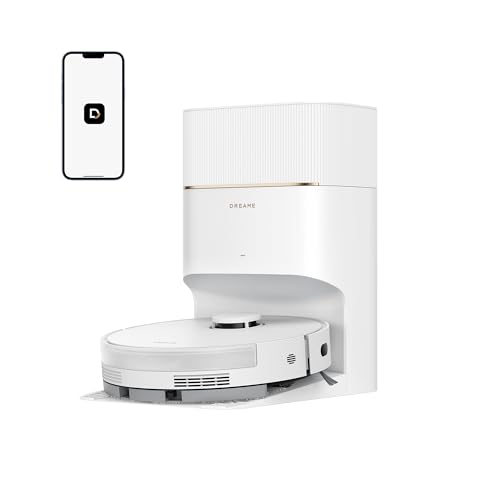
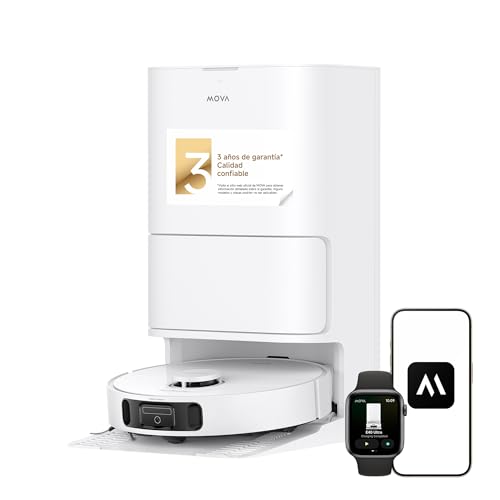
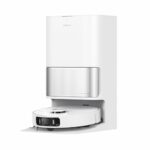
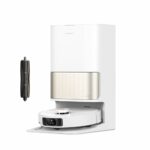
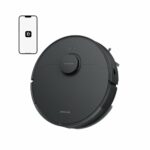
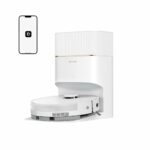
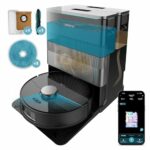
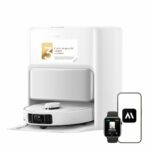
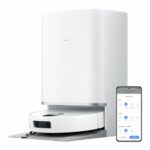
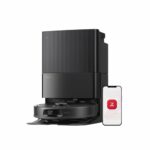
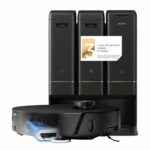
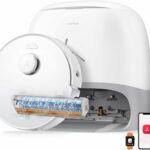
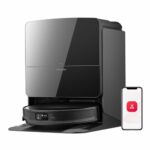
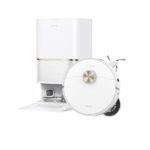
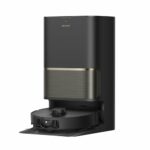
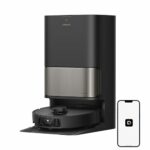
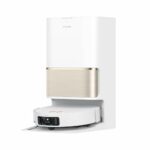
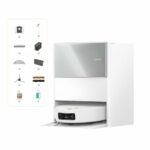
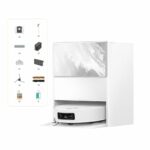
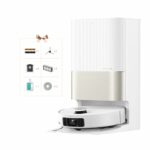
In the competitive robot vacuum market of 2025, the Dreame D20 Pro Plus and the Mova E40 Ultra represent two interesting propositions within the mid-to-high range. Both models incorporate advanced navigation technology with LIDAR 3D turret and front laser sensors, but differ significantly in their mopping systems and cleaning capabilities. This robot vacuum comparison analyses in detail the technical characteristics of both devices to help you decide which one best suits your needs.
The Dreame robot vacuum opts for a dual main brush system and greater autonomy, whilst the Mova robot vacuum stands out for its superior suction power and a complete mopping system with rotating mops. Both represent solid options, but with different approaches that are worth analysing before making a purchase decision.
Power and Suction
One of the most notable differences between the Dreame D20 Pro Plus and the Mova E40 Ultra is found in suction power. The Mova E40 Ultra offers 19000 Pa in Turbo mode, widely surpassing the 13000 Pa of the Dreame D20 Pro Plus. This difference of 6000 Pa can be decisive if your home has thick carpets or pets that shed a lot of hair.
Regarding the brushing system, the Dreame D20 Pro Plus incorporates a dual anti-tangle main brush already installed from the factory, a configuration that improves dirt collection in a single pass. For its part, the Mova E40 Ultra uses a single anti-tangle brush, although this can be attached according to specific needs. Both models include anti-tangle side brushes, but only the Dreame robot vacuum features an extendable side brush, a useful characteristic for better reaching corners and room edges.
Neither model offers main brush or side brush lifting, functions that some high-end competitors do incorporate to optimise mopping without dragging dirt.
Mopping
The mopping system represents one of the biggest differences in this robot vacuum comparison. The Dreame D20 Pro Plus uses a traditional static mop, a simple but effective system for daily maintenance. However, it lacks advanced functions such as lifting, extension or mop drying.
The Mova E40 Ultra, on the other hand, incorporates a system of two rotating mops that offer deeper and more uniform cleaning. Additionally, it features mop lifting of 10.5 mm, allowing the robot to travel over carpets without wetting them when in mixed vacuum-mop mode. A standout feature is the 3.0 mop extension with RoboSwing technology, which allows the robot to perform a swinging movement to introduce the mops several centimetres under furniture and overhangs, reaching areas that other robots cannot clean.
Another significant advantage of the Mova E40 Ultra is the mop drying at 45°C in the base, preventing bad odours and bacterial growth. This function makes the Mova robot vacuum a more complete option for those who prioritise mopping in their cleaning routine.
Navigation System
Both robots share similar navigation technology, equipped with LIDAR 3D turret and front 3D laser sensor for obstacle avoidance. This combination allows precise mapping of the home and real-time object dodging, guaranteeing efficient cleaning without getting stuck.
A notable difference is that the Mova E40 Ultra incorporates pet recognition, a useful function for homes with animals, as the robot can identify them and adjust its cleaning behaviour. Additionally, it features intelligent cleaning through CleanGenius AI technology, which automatically optimises cleaning parameters according to the type of dirt detected.
Neither model includes an AI camera with remote access, curtain detection or LED for night vision, functions that some users might miss if looking for the best robot vacuum 2025 with video surveillance capabilities.
Autonomy and Battery
Both robot vacuums mount 5200 mAh batteries, but performance differs significantly. The Dreame D20 Pro Plus offers an autonomy of 285 minutes, surpassing the 210 minutes of the Mova E40 Ultra. This difference of 75 minutes can be decisive in large homes, as the Dreame robot vacuum will be able to complete more extensive cleaning sessions without needing to recharge.
The greater autonomy of the Dreame D20 Pro Plus makes it a more suitable option for homes over 150 square metres, whilst the Mova E40 Ultra, despite its lower autonomy, compensates with greater suction power and advanced mopping functions that may require less frequent passes.
Smart Functions
Regarding advanced capabilities, both models present similarities. Neither incorporates a robotic arm, an emerging technology in premium range robots that allows picking up small objects or manipulating household elements. Both can overcome obstacles up to 20 mm in height, sufficient to transit between rooms with small level changes or medium-thickness carpets.
Neither do they include their own voice assistant, although both are compatible with external assistants such as Alexa or Google Assistant through their respective mobile applications.
Multifunction Cleaning Base
The cleaning base is another point where differences are evident. The Dreame D20 Pro Plus features a simpler base, focused primarily on automatic dust emptying. Its 5-litre capacity bag allows dirt storage for several weeks without manual intervention, reducing maintenance.
The Mova E40 Ultra, conversely, incorporates a complete multifunction station with a 4.5-litre clean water tank and 4-litre dirty water tank. This configuration allows automatic mop washing after each mopping session. Additionally, it integrates a second-generation tray self-cleaning system, which keeps the station hygienic without user intervention. The dust bag is 3.2 litres, smaller than the Dreame's, but sufficient for most homes.
Neither model offers a detergent tank, UV disinfection, nor direct connection to water pipes or drainage, features present in ultra-premium range robots.
Dimensions
Both robots share an identical diameter of 350 mm, the industry standard. The height is practically the same: 96.8 mm for the Dreame D20 Pro Plus versus 97 mm for the Mova E40 Ultra, allowing both to slide under most furniture and beds.
The base dimensions do present notable differences. The Dreame D20 Pro Plus base is more compact, with 298 mm width, 452 mm height and 440 mm depth. The Mova E40 Ultra station is considerably larger: 340 mm width, 590.5 mm height and 456.7 mm depth. This difference is explained by the inclusion of water tanks and the mop washing system, so you should ensure you have sufficient space if you opt for the Mova robot vacuum.
Conclusion: Which to Choose?
After analysing both models in this robot vacuum comparison, the choice depends on your specific priorities:
- Choose the Dreame D20 Pro Plus if you're looking for: Greater cleaning autonomy for large homes, a dual main brush system for better dry dirt collection, extendable side brush for corners, and a more compact base that takes up less space. It's ideal for homes that prioritise vacuuming over mopping and need prolonged cleaning sessions without recharging.
- The Mova E40 Ultra is ideal for: Users who value deep and automated mopping, with rotating mops that extend and lift, drying at 45°C to prevent bad odours, and greater suction power (19000 Pa). Its CleanGenius AI system and pet recognition make it an intelligent option for homes with animals and more demanding cleaning needs on hard floors.
In summary, if your home has mainly hard floors and you're looking for the best robot vacuum 2025 with advanced mopping capabilities, the Mova E40 Ultra offers more specialised functions. If you prefer greater autonomy, less space occupation and a more robust vacuuming system with dual brush, the Dreame D20 Pro Plus is your best option. Both represent solid propositions in their segment, with updated technologies and guaranteed performance for day-to-day use.