✨ VS Analyses · VacuumSpain comparison technology. Explanation created with AI from verified technical data.
Introduction
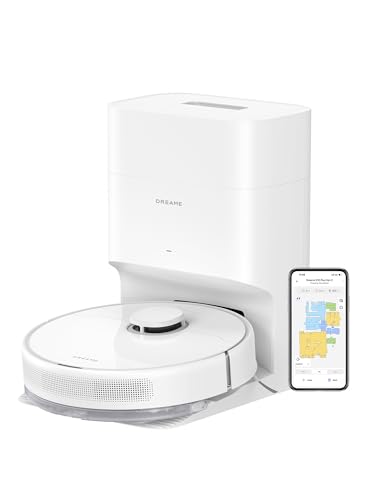
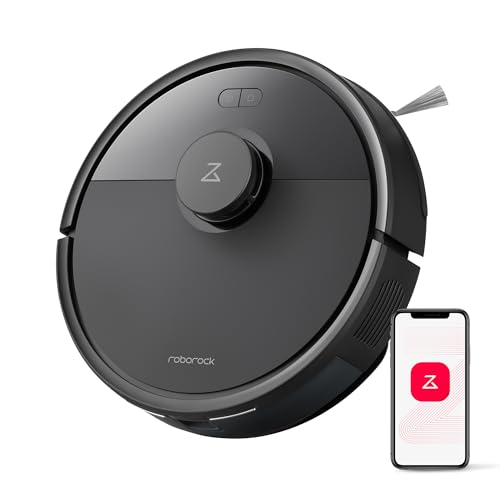
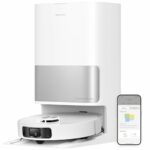
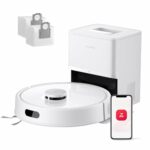
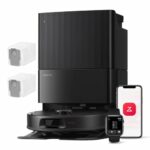
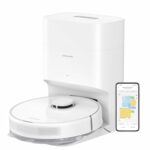
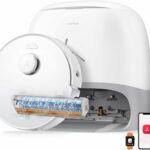
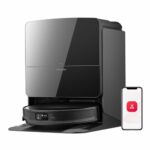
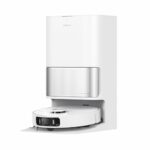
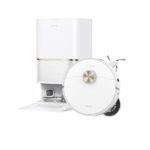
The Dreame D10 Plus Gen 2 and Roborock Q7 L5 or BF represent two distinct approaches to robot vacuum cleaning. The Dreame model, launched in 2024, comes with a self-emptying base station, whilst the Roborock version from 2025 opts for a more compact setup without auto-emptying capabilities. Both feature LiDAR navigation and mopping functions, but they differ significantly in suction power, battery capacity, and overall design philosophy.
These are entry to mid-range models suited for different types of homes. The Dreame focuses on convenience with its larger base station and extended battery life, making it suitable for users who want minimal intervention. The Roborock, with its slimmer profile and higher suction, targets those who prioritise raw cleaning power and have smaller spaces to manage.
Power and Suction
Suction power is where the Roborock Q7 L5 or BF takes a clear lead. With 8,000 Pa, it outperforms the Dreame D10 Plus Gen 2's 6,000 Pa by a considerable margin. In practice, this translates to better pickup on carpets and more effective removal of embedded dirt from textured surfaces.
The brush systems differ as well. The Dreame uses a simple brush design, whilst the Roborock employs a bristle-based brush. Neither model offers anti-tangle technology on the main brush, which means pet owners might need to perform regular maintenance to clear hair wrap. Both feature a single side brush without extension or elevation capabilities, so corner cleaning follows a traditional approach.
Neither robot raises its main or side brushes during mopping, which is typical at this price point. This means the brushes remain active throughout the cleaning cycle, regardless of whether you're vacuuming or mopping.
Mopping
Both models use a static mop system without rotating pads or vibration. The mopping experience is basic: a cloth pad attached to the underside of the robot dampened with water from an onboard tank. Neither offers mop extension for edge cleaning, elevation to avoid carpets, or automatic mop removal at the base.
Water temperature remains cold in both cases. There's no heated water system for tackling stubborn stains, and neither robot features dirt detection on the mop or floor surface. The Dreame holds 150 ml of water, which is modest, whilst the Roborock provides 270 ml—nearly double the capacity. This extra volume means fewer refills during larger mopping sessions.
Since neither base station washes or dries mops, you'll need to remove and clean the pads manually after use. This is standard for robots without multifunctional bases, but it does require a bit more hands-on maintenance.
Navigation System
Both robots rely on LiDAR technology with a 360-degree rotating turret. This allows them to map your home accurately and navigate efficiently, even in low light. However, neither model includes AI-powered obstacle avoidance, front-facing cameras, or 3D laser sensors.
What this means in real-world use is that both robots will navigate around furniture and walls effectively, but they won't recognise specific objects like shoes, cables, or pet waste. There's no remote camera access, no LED lighting for night vision, and no pet recognition features. Navigation is reliable but straightforward, without the advanced intelligence found in premium models.
Both support voice control through external assistants like Alexa and Google Home, so you can start cleaning sessions or send the robot back to its base using voice commands.
Battery and Autonomy
The Dreame D10 Plus Gen 2 packs a substantial 5,200 mAh battery, delivering up to 285 minutes of runtime. This extended autonomy makes it well-suited for larger homes where the robot might need to cover significant ground before returning to recharge.
The Roborock Q7 L5 or BF, meanwhile, features a smaller 3,200 mAh battery. Autonomy figures aren't specified, but the reduced capacity suggests shorter cleaning sessions per charge. This isn't necessarily a drawback for smaller flats or homes where the robot can complete its work within a single cycle.
Both robots will automatically return to their base when the battery runs low and resume cleaning once recharged, so even with different battery sizes, they'll eventually cover the full area.
Smart Features
Both models can climb obstacles up to 20 mm in height, which is standard for most robot vacuums. This allows them to transition between hard floors and low-pile rugs or navigate over door thresholds without getting stuck.
Neither robot includes a built-in voice assistant, robotic arm, or advanced AI-driven cleaning patterns. These are straightforward machines that map, navigate, and clean without the bells and whistles of flagship models.
Multifunctional Base Station
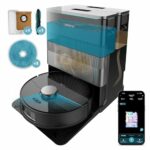
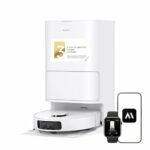
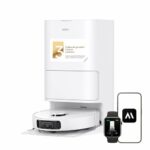
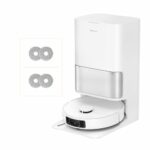
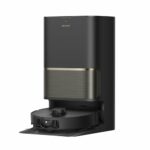
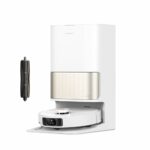
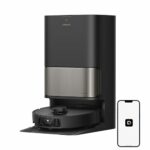
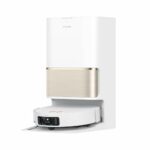
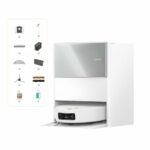
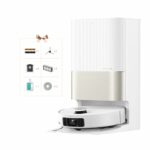
This is where the two robots diverge most significantly. The Dreame D10 Plus Gen 2 comes with a self-emptying base that automatically extracts dirt from the robot's 400 ml dust bin into a 4-litre disposable bag. This means you can go weeks or even months without emptying the system manually, depending on how much debris accumulates.
The base measures 298 mm wide, 427 mm tall, and 406 mm deep—a substantial footprint that requires dedicated space. However, the convenience of not handling dust regularly is a major advantage, especially for allergy sufferers.
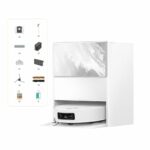
The Roborock Q7 L5 or BF doesn't include a self-emptying base. Instead, it uses a compact charging dock measuring just 160 mm wide, 101 mm tall, and 70 mm deep. You'll need to empty the robot's 400 ml dust bin manually after each cleaning session or when it fills up.
Neither base washes or dries mops, adds detergent, or connects to water pipes. There's no UV disinfection or tray self-cleaning either. These are charging and emptying stations, not full-service cleaning hubs.
Dimensions
The Dreame D10 Plus Gen 2 has a diameter of 350 mm and stands 96.3 mm tall. The Roborock Q7 L5 or BF is slightly more compact at 325 mm across and 99 mm high. The difference in diameter is noticeable—the Roborock's smaller footprint helps it navigate tighter spaces and squeeze under furniture with lower clearances.
Height-wise, they're nearly identical, with the Dreame just fractionally lower. In practice, both should fit under most sofas and beds, though the Roborock's slimmer diameter gives it an edge in navigating narrow gaps between chair legs or around cluttered areas.
Weight isn't specified, but the Dreame's larger battery likely makes it heavier. This won't affect performance but could matter if you need to carry the robot between floors.
Real-World Use
The Dreame D10 Plus Gen 2 suits larger homes where extended battery life and hands-off maintenance are priorities. With 285 minutes of runtime and a self-emptying base, it can handle spacious layouts without frequent intervention. The trade-off is a bulkier base station that requires more floor space.
The Roborock Q7 L5 or BF excels in smaller flats or homes where suction power matters more than automation. Its 8,000 Pa suction tackles carpets and embedded dirt more aggressively, and the compact base fits into tighter spots. However, you'll need to empty the dust bin manually and refill the water tank more often due to the smaller battery and larger water reservoir.
For pet owners, both robots lack anti-tangle brushes, so expect regular maintenance to clear hair from the rollers. The Roborock's higher suction might pick up pet hair more effectively from carpets, but neither offers specialised pet features like waste detection.
Mopping performance is basic on both. If you want genuinely clean floors rather than just damp wiping, you'll need to mop manually or invest in a model with a mop-washing base.
Conclusion: Which Should You Choose?
Choose the Dreame D10 Plus Gen 2 if you have a larger home and value convenience above all else. The self-emptying base and extended battery mean less frequent maintenance, and the 6,000 Pa suction handles most everyday messes. It's ideal for busy households where hands-off operation is a priority, and you have space for the larger base station.
Choose the Roborock Q7 L5 or BF if you prioritise suction power and have a smaller living space. The 8,000 Pa motor delivers stronger cleaning performance on carpets, and the compact base fits neatly into tight areas. You'll need to empty the bin manually, but the lower price and higher suction make it a solid choice for flats or homes under 100 square metres.
For homes with multiple rooms and heavy foot traffic, the Dreame's autonomy and self-emptying system reduce daily involvement. For those who want maximum cleaning power and don't mind a bit of manual upkeep, the Roborock delivers better performance per pass.