✨ VS Analyze · VacuumSpain comparison technology. AI-generated explanation based on verified technical data.
Introduction
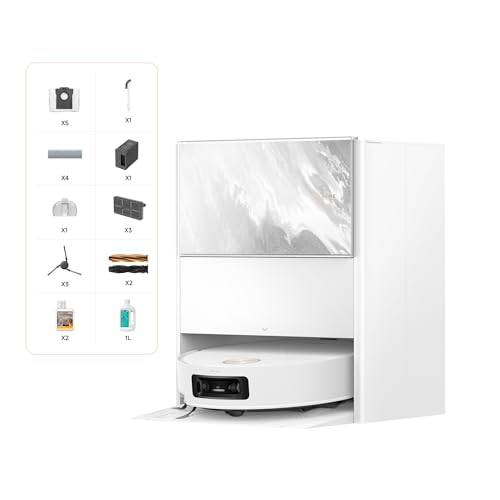
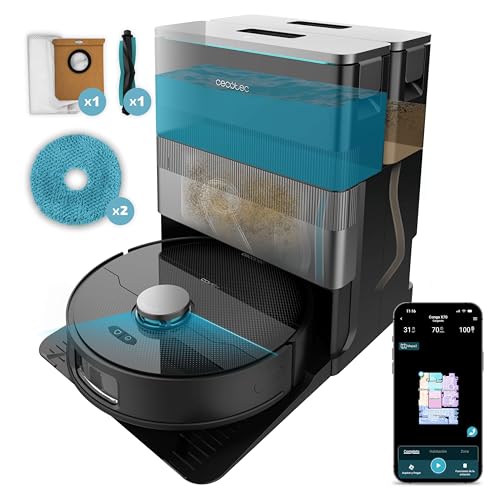
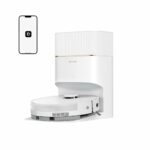
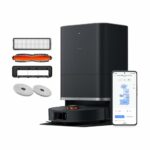
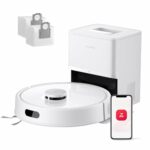
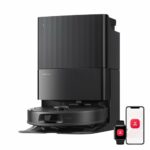
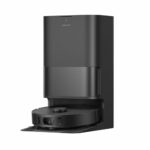
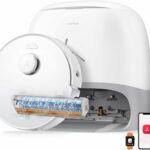
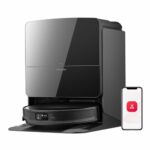
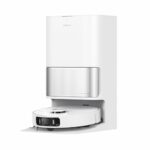
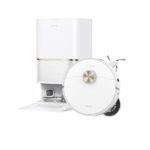
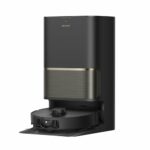
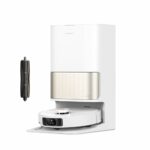
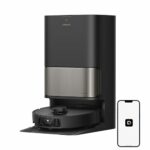
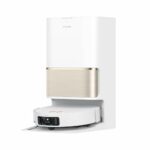
The Dreame Aqua10 Ultra Track Complete and the Cecotec Conga X70 represent two distinct approaches to automated home cleaning from the 2025 generation of robot vacuum cleaners. The Dreame model positions itself as a premium solution with advanced features and intelligent systems, whilst the Cecotec offers a more accessible entry point into multifunctional cleaning. Understanding the differences between these models helps determine which suits specific household needs, particularly when considering factors like cleaning performance, smart capabilities, and the level of automation required for daily maintenance.
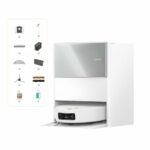
The Dreame Aqua10 Ultra Track Complete comes equipped with a comprehensive multifunctional base and sophisticated AI-driven navigation. The Cecotec Conga X70 provides essential features at a different specification level, making this comparison particularly relevant for those weighing up investment against functionality.
Power and Suction
The suction power gap between these models is substantial. The Dreame Aqua10 Ultra Track Complete delivers 25,000 Pa, providing considerably more extraction force than the Cecotec Conga X70's 15,000 Pa. This difference becomes particularly noticeable when dealing with ground-in dirt on carpets or debris lodged in tile grout.
The brush systems reveal fundamental design differences. The Dreame employs a dual HyperStream brush configuration, specifically engineered to minimise hair tangling through its twin-anchor design. The Cecotec uses a traditional bristle brush, which tends to require more frequent maintenance when dealing with long hair or pet fur.
What sets the Dreame apart is its elevating main brush capability. When mopping commences, the main brush lifts to prevent wet debris from contaminating the brush mechanism. The Cecotec lacks this feature, meaning the brush remains in contact with damp floors during mopping cycles. The Dreame also features an extensible side brush that reaches further into corners, plus it elevates during mopping to avoid unnecessary contact with wet surfaces. This side brush includes anti-tangle technology as well. The Cecotec's side brush remains fixed in position and height throughout all cleaning modes.
For homes with pets or residents with long hair, these brush differences translate into tangible maintenance savings.
Mopping
The mopping systems employ entirely different approaches. The Dreame Aqua10 Ultra Track Complete uses a wide roller measuring 180 mm, which maintains constant contact with floors and can handle hot water at 45°C for more effective grease and stain removal. The Cecotec Conga X70 utilises dual rotating mops with cold water only.
Both models extend their mopping mechanisms to reach edges more effectively. However, the Dreame offers greater mop elevation range—between 7 and 17 mm depending on surface type—whilst the Cecotec lifts to 8 mm. This matters when transitioning between hard floors and carpets or rugs, where higher lift prevents moisture transfer.
The Dreame incorporates dirt detection for both the mops themselves and the floor surface. When the system identifies particularly soiled areas, it adjusts cleaning intensity or makes additional passes. This intelligent response isn't available on the Cecotec, which follows programmed patterns regardless of actual dirt levels.
In practical terms, the hot water mopping of the Dreame tackles kitchen spills and sticky residues more effectively than cold water systems. This becomes especially relevant in homes with young children or high foot traffic areas.
Navigation System
The Dreame Aqua10 Ultra Track Complete features a retractable LiDAR system that lowers when not needed, reducing the robot's profile. It combines this with dual RGB cameras for visual recognition and 3D laser sensors. The Cecotec Conga X70 uses a 3D LiDAR tower with camera assistance and frontal laser sensors.
The obstacle recognition capabilities differ markedly. The Dreame identifies up to 280 different object types, including specific recognition for pets and curtains. This allows it to adjust behaviour around sleeping animals or avoid tangling in drapes. The Cecotec provides obstacle avoidance but without the same breadth of specific object recognition.
Only the Dreame offers remote camera access, allowing homeowners to check on their property through the robot's vision system. It also includes LED illumination for low-light navigation, ensuring consistent performance regardless of ambient lighting conditions. The Cecotec lacks both these features.
The Dreame runs on the AI Sage 15.0 Octa-core processor with CleanGenius AI, enabling it to learn room layouts, recognise stains, and optimise cleaning patterns over time. This level of adaptive intelligence represents a clear distinction from the Cecotec's more conventional navigation approach.
Battery and Autonomy
Battery capacity shows a significant difference: 6,400 mAh in the Dreame Aqua10 Ultra Track Complete compared to 5,200 mAh in the Cecotec Conga X70. Whilst specific runtime figures aren't provided for either model, the larger capacity typically translates to longer cleaning sessions before requiring a recharge, particularly relevant for larger homes or when running intensive mopping cycles that consume more power.
Smart Functions
The Dreame Aqua10 Ultra Track Complete can climb obstacles up to simple step heights, though the exact measurement isn't specified. The Cecotec Conga X70 manages 30 mm obstacles. This capability affects how well each robot transitions between rooms with threshold strips or handles minor floor level changes.
The Dreame includes its own proprietary voice assistant alongside compatibility with external systems like Alexa and Google Home. The Cecotec doesn't feature an integrated voice assistant, though it does work with external voice platforms. For households already invested in smart home ecosystems, this distinction may influence daily interaction patterns.
Multifunctional Base Station
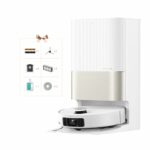
Both models feature comprehensive base stations with auto-emptying, mop washing, and mop drying. The critical differences lie in execution details.
The Dreame washes mops with hot water, then dries them at 50°C to eliminate bacteria and prevent odours. The Cecotec washes with cold water and dries using unheated air, which takes longer and may be less effective at hygiene management.
UV disinfection appears exclusively on the Dreame's base, adding an extra layer of sanitisation to the cleaning process. The Dreame also provides dual detergent tanks, allowing separate cleaning solutions for different floor types or cleaning tasks. The Cecotec lacks both UV treatment and detergent dispensing capability.
Dust bag capacity differs: 3.2 litres in the Dreame versus 2.5 litres in the Cecotec. This affects how frequently the bag requires replacement, particularly in homes with heavy dust or pet hair accumulation. Both models offer identical 4-litre clean water and 3.5-litre dirty water tanks.
The Dreame offers an optional plumbing connection kit that can be purchased separately, eliminating the need to manually refill and empty water tanks. This accessory isn't available for the Cecotec.
Dimensions
Height differences prove functionally significant. The Dreame Aqua10 Ultra Track Complete stands 97.5 mm tall, whilst the Cecotec Conga X70 measures 110 mm. That 12.5 mm difference determines whether the robot fits beneath certain furniture pieces—sofas, cabinets, or bed frames with limited clearance become accessible only to the lower-profile Dreame.
Diameter varies slightly: 350 mm for the Dreame against 340 mm for the Cecotec. This 10 mm difference has minimal impact on manoeuvrability in most homes.
Base station footprints differ more substantially. The Dreame's base measures 420 mm wide, 500 mm tall, and 440 mm deep. The Cecotec's base is more compact at 340 mm wide, 450 mm tall, and 425 mm deep. If installation space is constrained, the Cecotec's smaller base may prove advantageous.
Real-World Usage Experience
For larger properties, the Dreame's superior battery capacity and more powerful suction maintain consistent performance across extensive floor areas. The intelligent dirt detection ensures thorough cleaning without requiring manual intervention to address problem spots.
Homes with pets benefit significantly from the Dreame's HyperStream brush system, which dramatically reduces hair maintenance compared to traditional bristle designs. The pet recognition feature also prevents the robot from disturbing sleeping animals or getting tangled in pet toys.
The hot water mopping capability of the Dreame addresses kitchen floors and high-traffic areas more effectively than cold water systems. Families with young children, where spills and sticky messes occur frequently, will notice the difference in cleaning results.
The lower profile of the Dreame means it cleans under more furniture automatically, reducing the need to manually clean those areas. This matters particularly in homes with platform beds, low-clearance sofas, or wall-mounted cabinets with minimal ground clearance.
The Cecotec's more compact base station suits homes where installation space is limited, perhaps in smaller utility areas or tighter corners. Its simpler feature set also means fewer components requiring eventual maintenance or replacement.
Conclusion: Which to Choose?
Choose the Dreame Aqua10 Ultra Track Complete if you're looking for the most comprehensive cleaning automation available. It suits larger homes where the extended battery capacity and powerful suction maintain performance across multiple rooms. Pet owners benefit from the anti-tangle brush system and specific pet recognition. The hot water mopping, dirt detection, and UV disinfection deliver superior hygiene results, particularly valuable for families with young children. Remote camera access adds security functionality beyond just cleaning. The lower profile accesses under more furniture automatically. If you want minimal manual intervention and maximum intelligent adaptation, this represents the better choice.
Choose the Cecotec Conga X70 if your priority is accessing multifunctional cleaning capabilities at a more accessible specification level. It works well in smaller to medium-sized homes where the battery capacity proves sufficient. The more compact base station fits better in constrained installation spaces. If your floors don't regularly encounter stubborn grease or sticky spills, the cold water mopping handles routine maintenance adequately. For households without pets or with minimal hair tangling issues, the traditional brush system requires manageable maintenance. This model provides essential automated cleaning without the advanced intelligence features that some users may not require for their specific circumstances.